
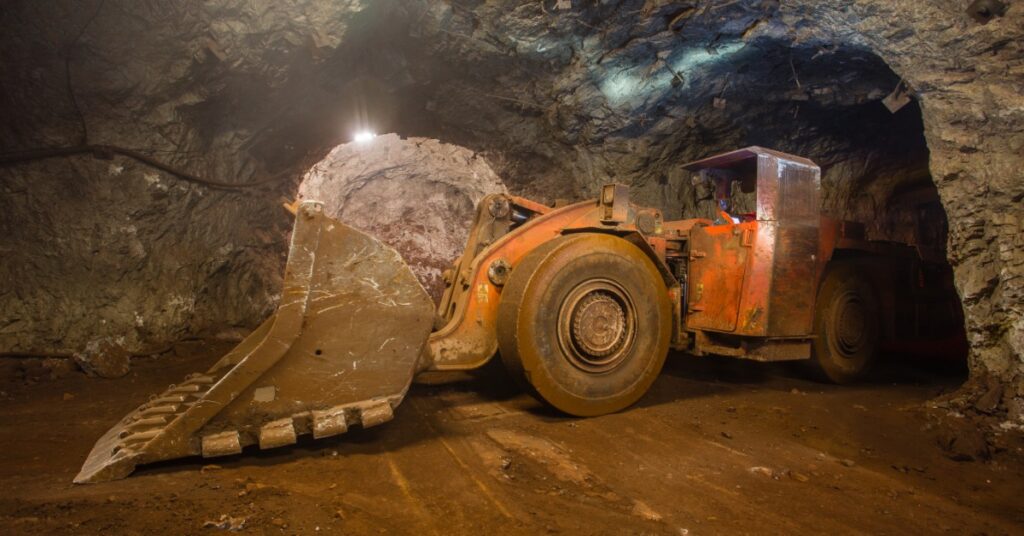
Industrial driveshafts operate through repeated torque changes as machines work under heavy loads. Mining equipment features exposed metal surfaces that endure exposure to moisture and abrasive debris. The harsh conditions strain industrial driveshafts.
When driveshafts have coatings and treatments to protect their surfaces, mining equipment is able to control these surface-level stressors before they degrade various critical components. Find out about the different types of treatments and how they prevent friction, corrosion, and more within the driveline.
1. Coatings Reduce Surface Friction
Sliding surfaces generate resistance when one part moves against another. On a driveshaft, this movement becomes especially important at length compensation splines because the shaft accommodates changes in distance as the connected equipment moves. A low-friction coating reduces direct metal contact across those surfaces and helps control heat or adhesive wear during repeated sliding.
Reduced resistance helps the sliding connection move without excessive drag. The coating doesn’t replace grease or another specified lubricant because those materials perform a separate function. Instead, the treated surface works with the lubrication system to reduce friction at the contact interface.
2. Treatments Improve Wear Resistance
Repeated contact gradually removes material from untreated surfaces. Abrasive particles accelerate the process when contamination reaches areas that already carry high contact loads. Surface treatments increase resistance to this type of wear by changing the characteristics of the outer metal layer or placing protective material over it.
Wear resistance has direct value in a driveshaft because small surface changes can develop into mechanical problems. Scoring or material loss increases clearance between mating parts and changes how loads travel through the connection. A durable surface allows the component to retain its working profile through repeated operating cycles.
3. Coatings Limit Corrosion Damage
Moisture presents a persistent threat to exposed steel parts in underground mining environments. Water and dissolved contaminants trigger oxidation once they reach unprotected metal. Then, corrosion removes material from the surface. It leaves behind rough areas that interfere with smooth contact between connected parts.
Protective coatings establish a barrier between the base metal and the surrounding environment. The barrier slows the electrochemical reaction responsible for rust formation. Preserving the metal surface reduces the chance that corrosion pits will develop into areas of concentrated stress.
4. Treatments Protect Spline Surfaces
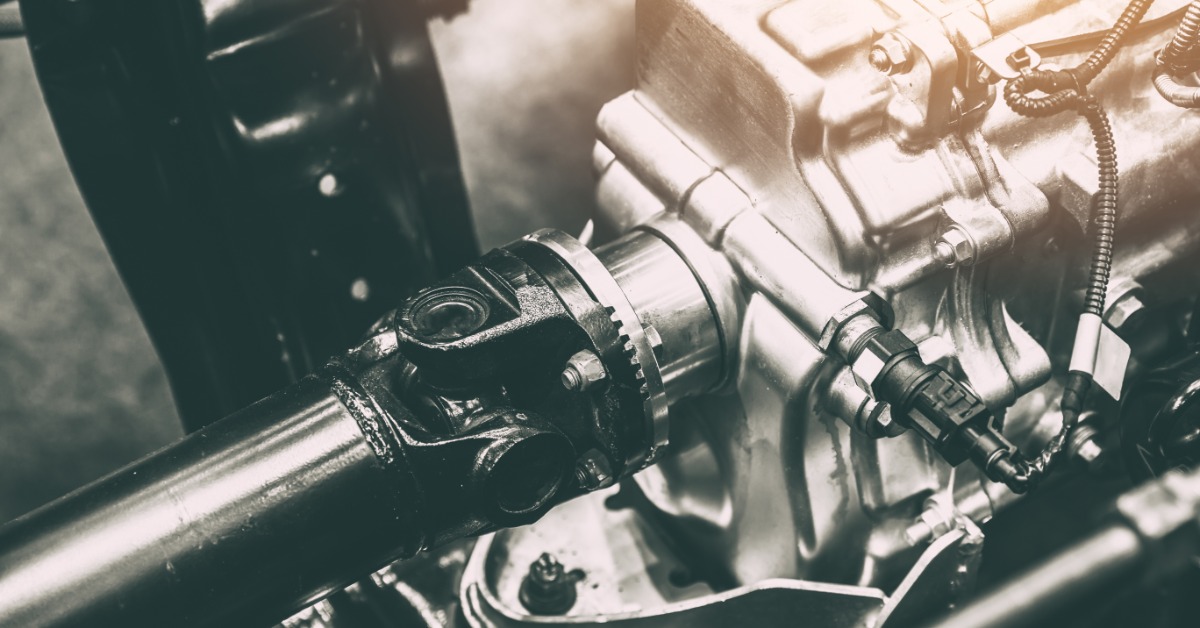
Spline connections transfer torque through a series of matching teeth. Length compensation splines perform that job while allowing axial movement between sections of the driveshaft. These two demands place the tooth surfaces under repeated sliding and contact pressure.
A suitable treatment protects the working faces from direct surface damage. Low-friction finishes and plastic coatings decrease contact wear across spline teeth. Hard surface treatments address a different concern by resisting deformation under load. Protecting these working surfaces helps the spline teeth retain the shape and contact condition required for consistent torque transfer. Without suitable surface protection, repeated sliding and loading will gradually degrade the spline interface and interfere with its intended movement.
5. Lubricating Varnish Reduces Sliding Resistance
Length compensation sections move as operating conditions change the distance between driveline connection points. Friction within the sliding interface resists axial motion and increases contact stress across the spline faces. Lubricating varnish forms a low-friction surface layer that reduces resistance as the mating splines move against each other. Smoother sliding motion helps limit the rubbing and adhesive wear that gradually damage the working surfaces.
The varnish also protects the contact area when repeated axial movement places the same spline surfaces under continuous mechanical stress. By reducing direct friction between the mating faces, the treatment preserves consistent movement through the length compensation section. The outcome is splines that accommodate axial movement and transfer torque through the driveshaft.
6. Surface Hardening Improves Contact Durability
Some driveline surfaces benefit from a treatment that increases hardness near the exterior of the part. Gas nitriding introduces nitrogen into the metal surface to develop a hardened outer case. The treated region resists indentation and contact wear, while the underlying material retains its broad structural properties.
This combination is valuable in areas that endure concentrated loading close to the surface. A hardened contact area resists progressive deformation from everyday contact.
7. Plating Improves Environmental Resistance
Metallic plating places a different metal layer over the base component. Chrome and nickel treatments improve corrosion resistance when the coating system suits the material and operating environment. The plated layer separates vulnerable base metal from substances that would otherwise attack the exposed surface.
Environmental resistance becomes valuable when driveshaft parts encounter humidity, water, or industrial contaminants. A sound plated surface helps preserve the underlying metal by limiting direct exposure to corrosive conditions.

8. Coatings Help Preserve Component Fit
Driveshaft assemblies depend on controlled clearances between parts that move or carry load together. Surface loss changes those clearances because wear and corrosion physically remove material from contacting areas. Once dimensions drift far enough, movement becomes less controlled and load distribution shifts across the connection.
Coatings protect fit by reducing the surface loss responsible for these dimensional changes. A spline coating limits wear across tooth faces so that the mating surfaces retain a consistent relationship through repeated movement. Preserving surface condition helps the assembly maintain the fit intended for torque transfer and axial motion.
9. Treatments Reduce Surface Degradation
Surface degradation takes several forms beyond uniform material wear. Fretting develops where loaded surfaces experience very small repeated movements. Scoring leaves grooves after parts slide under damaging contact conditions. Pitting produces localized cavities that interrupt an otherwise continuous working surface.
Protective treatments reduce conditions that contribute to these forms of damage. Low-friction coatings limit sliding resistance, and hardened surfaces address contact stress. Corrosion-resistant treatments protect against another source of localized deterioration. Because these damage mechanisms differ, the appropriate surface treatment depends on the stresses present at that part of the driveshaft.
Protect Driveshaft Performance
The benefits of driveshaft surface coatings and treatments are the most valuable when the protective layer matches the mechanical demands placed on a specific surface. Friction control at a sliding spline addresses a different problem than corrosion resistance on exposed metal. Surface protection contributes to driveline reliability by preserving parts that must continue transferring torque through demanding operating cycles.
Bull Powertrain supplies OEM driveline components and provides repair, rebuild, modification, and balancing services through our driveline center. Our GWB industrial driveline solutions include genuine GWB components for demanding industrial applications. When driveshaft wear or surface damage begins affecting underground mining equipment, contact Bull Powertrain to discuss repair or replacement options.