

While traveling across uneven surfaces and carrying heavy loads, off-highway mining equipment must transfer substantial torque through driveshaft assemblies. Each operating cycle places stress on universal joints, splines, and connecting components, gradually affecting their mechanical condition.
When damage escapes detection, an unexpected driveline failure can interrupt production. Routine driveline inspections are essential for reducing downtime.
Joint Inspections Identify Wear Before Failure
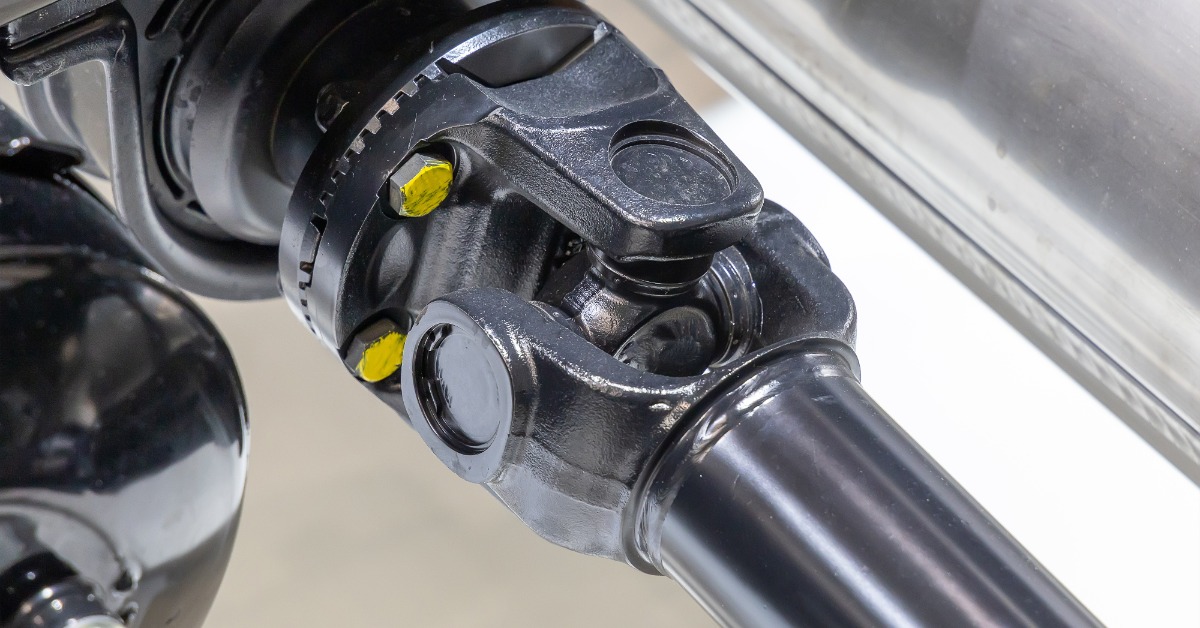
Universal joints allow a driveshaft to transmit torque between components operating at changing angles. Their bearing caps contain needle bearings that depend on proper lubrication and smooth movement. As those surfaces wear, looseness develops around the joint, allowing unwanted movement whenever the machine accelerates or changes direction.
Professional technicians inspect each joint for excessive play, stiffness, and damaged bearing seals. They check whether the bearing caps remain secure and examine surrounding yokes for wear that might compromise their fit.
Any noticeable movement beyond manufacturer specifications warrants further investigation because continued operation increases stress on adjacent components. Identifying a deteriorating joint during an inspection gives maintenance teams an opportunity to schedule replacement before the joint fails and disables the machine.
Spline Inspections Prevent Binding and Shaft Damage
Mine loaders and haulage equipment frequently travel across irregular ground, causing the distance between connected drivetrain components to change. Slip splines accommodate that movement by allowing the driveshaft assembly to extend and retract. Contamination and inadequate lubrication interfere with this movement, placing additional stress on the assembly.
Technicians inspect spline engagement, lubrication condition, and signs of excessive rotational play. They examine protective seals for damage that permits abrasive material to enter the sliding surfaces. If the splines begin binding, forces that normally travel through the sliding connection reach the universal joints and adjoining housings. Detecting restricted movement allows maintenance personnel to correct the underlying problem before it damages multiple components and extends equipment downtime.
Alignment Inspections Reduce Premature Component Wear
Underground machinery climbs grades, maneuvers through confined passages, and travels with heavy payloads. These forces affect the mounts and connected assemblies. Over time, the operating angles of the driveline change. Incorrect angles increase cyclic loading on universal joints.
During a professional inspection, technicians measure shaft operating angles and examine mounting points for movement or damage. They compare the measurements against equipment specifications to determine whether connected components maintain their intended positions. When readings fall outside acceptable limits, correcting the underlying mounting or alignment problem stops recurring joint failures.
Balance Inspections Detect Harmful Shaft Vibration
A driveshaft must rotate with its mass distributed evenly around its centerline. Damage from impacts, missing balance weights, or accumulated debris can disturb that distribution and introduce vibration during operation. As rotational speed increases, the resulting forces strain bearings and connecting components, potentially spreading damage throughout the driveline.
Professional inspections help distinguish balance problems from other sources of vibration. Technicians examine shaft tubing, inspect balance weights, and measure runout to identify physical conditions that interfere with smooth rotation. If the shaft requires balancing, specialized equipment determines the necessary corrections after technicians address structural defects. Identifying these problems before vibration damages surrounding assemblies reduces the likelihood of extensive repairs and unexpected production interruptions.
Lubrication Inspections Protect Internal Bearing Surfaces
Grease protects moving components by separating metal surfaces and reducing friction. Underground mining conditions expose driveline assemblies to moisture, abrasive particles, and demanding operating loads that challenge this protective layer. When lubrication deteriorates or escapes through damaged seals, bearing surfaces experience increased friction and heat.
Technicians examine lubrication points and inspect grease condition for evidence of contamination or deterioration. They investigate leaks around universal joints and sliding connections, then verify the appropriate lubricant and service requirements against manufacturer documentation.
An inspection may reveal damaged seals or restricted grease flow that routine lubrication alone wouldn’t resolve. Correcting these conditions protects internal bearing surfaces and helps prevent the sudden seizure of components during underground production.
Fastener Inspections Prevent Connection Failures
Driveline flanges and yokes rely on secure mechanical connections to transfer torque between assemblies. Repeated vibration and load changes place stress on these interfaces, particularly when mounting hardware loses its specified clamping force. Even slight movement between mating surfaces increases wear and introduces forces that the connection wasn’t intended to withstand.
Professional technicians inspect fasteners for looseness, damaged threads, and signs of movement around flange connections. When an inspection identifies a compromised connection, maintenance crews can investigate its cause before replacing or securing the affected hardware. Addressing these problems during scheduled service prevents unexpected separation or connection damage that could immobilize underground equipment.
Structural Inspections Reveal Hidden Driveshaft Damage
High torque loads and occasional impacts place substantial stress on driveshaft tubing and yokes. Small cracks around welds or bearing bores sometimes develop without producing obvious operating symptoms. Continued loading allows those defects to propagate, eventually threatening the structural integrity of the assembly.
Technicians begin by cleaning the components so that dirt and grease don’t conceal surface damage. They inspect weld areas, examine shaft tubing for deformation, and investigate unusual wear marks that suggest excessive movement. Finding structural damage before a complete shaft failure allows maintenance teams to arrange repairs or replacements without waiting for an unexpected breakdown.

Inspection Records Improve Maintenance Scheduling
A single driveline inspection provides useful information about the equipment’s current condition, but documented findings reveal how that condition changes between service intervals. Recording joint play and shaft runout establishes a reference for future evaluations. Then, technicians have evidence to distinguish developing deterioration from an unchanged operating condition.
Maintenance personnel use inspection records to identify recurring defects and prioritize components approaching their service limits. When measurements indicate progressive wear, crews can coordinate the necessary work with an upcoming maintenance window. This planning provides time to arrange replacement components and determine whether an assembly requires professional rebuilding. Consistent documentation turns inspection findings into maintenance decisions that reduce the risk of disruptive, unscheduled repairs.
Professional Evaluations Guide Repair Decisions
An inspection becomes particularly valuable when technicians connect the findings to the appropriate corrective action. Not every damaged driveline requires complete replacement, and some assemblies retain serviceable components that qualify for repair or rebuilding. Determining the extent of wear helps maintenance teams select an appropriate solution without overlooking defects that could cause another failure.
Professional evaluations consider the condition of the complete assembly and its compatibility with manufacturer specifications. Depending on the findings, technicians may recommend replacing damaged joints, correcting shaft defects, or rebuilding the assembly with genuine OEM components. Accurate assessments help mining operations plan service around equipment availability while avoiding unnecessary replacement work.
Protect Mining Equipment With Professional Driveline Service
Consistent driveline inspections provide maintenance teams with the information necessary to address developing problems and avoid downtime. Bull Powertrain offers professional driveline services, including repair, rebuilding, and precision balancing for demanding off-highway applications. Our technicians work with high-quality components to restore driveline assemblies according to their application requirements. Contact Bull Powertrain to discuss inspection findings and arrange driveline repairs.