
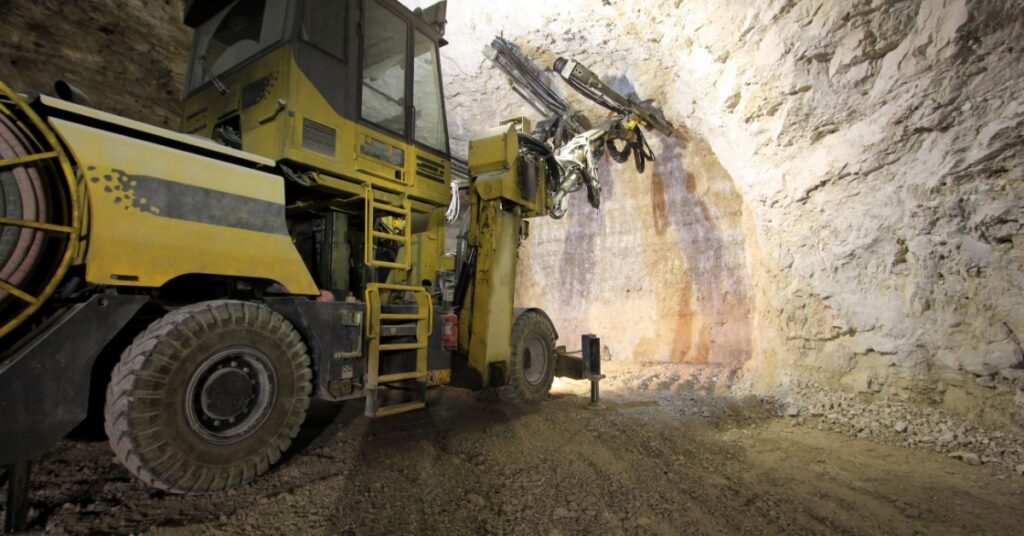
Off-highway equipment endures extreme heat, dust, and vibrations. Loads spike during starts, grade changes, and mucking. The driveshaft must be able to accommodate every challenging condition it encounters.
Material selection and surface treatments that match the duty cycle and the environment solve driveshaft issues. Find out which custom driveshaft materials can handle torque, abrasion, moisture, and temperature swings without adding unnecessary weight or maintenance.
The Features High-Quality Driveshafts Need
Material choice works best when it starts with what the site demands from the assembly. Focus on these features for mining-duty driveshaft materials:
- Temperature resistance
- High load capacity
- Corrosion resistance
- Vibration dampening
Each feature ties back to fatigue life, joint life, and bearing support life. A material that checks only one box usually creates problems somewhere else in the system.
How Material Choice Connects to Torque, Alignment, and Vibration
A driveshaft doesn’t work alone. Joints, yokes, splines, support bearings, and fasteners react to shaft stiffness and balance. When the shaft flexes too much, joints run at harsher angles, and bearings see higher side loads. When the shaft runs too stiff with poor damping, vibration transfers into mounts and supports, and fasteners loosen under cyclic loads.
Material selection affects torsional stiffness, weight, and damping. Those factors shape how smoothly torque transfers through the drivetrain, especially during high-load engagement and reversing cycles in tight headings.

Steel Driveshafts
Steel remains a go-to option for underground equipment because it handles high torque and resists impact damage. Alloy steels such as chromoly-style grades bring higher strength than mild steel, which helps when shafts see frequent shock loading. Steel’s weight adds inertia, so balance quality and joint condition matter, particularly at high operating speeds.
Surface treatments extend service life when moisture, salt, or chemical washdowns enter the picture. When steel comes up in sourcing conversations, zinc plating, powder coating, and ceramic treatments improve corrosion resistance and surface durability. Zinc plating supports corrosion control in wet zones, powder coating adds a tough barrier, and ceramic treatments help with heat and wear in harsh duty cycles.
Steel fits many rebuild programs because it welds and repairs well when handled by experienced driveline technicians. That repairability matters when downtime costs more than replacement parts.
Aluminum Driveshafts
Aluminum reduces rotating mass, which helps equipment respond more quickly under changing loads and reduces stress on joints during acceleration and deceleration. That weight advantage matters most when the shaft length increases or when the assembly runs at high speeds.
Aluminum brings tradeoffs. It dents more easily than steel and needs careful protection against corrosion where dissimilar metals meet. When aluminum pairs with steel yokes or fasteners, galvanic corrosion could appear if coatings and sealing practices don’t match the environment. Aluminum works best when the application values weight reduction and the assembly stays protected from repeated impacts and abrasive contact.
Carbon Fiber Driveshafts
Carbon fiber delivers high strength-to-weight and strong vibration dampening. These features diminish shaking motions that show up as noise, heat at joints, or premature wear at support bearings. Damage doesn’t always look dramatic from the outside, so routine checks for surface gouges, delamination, and joint bond integrity matter for this material.
Fiberglass Composite Driveshafts
Fiberglass composite driveshafts suit moderate torque ranges. In mining environments where vibration drives bearing and joint wear, fiberglass composites offer another option for improving driveline smoothness.
Hybrid composite designs blend fibers to balance cost, stiffness, and damping. For example, carbon fiber in high-stress layers with fiberglass in outer layers offer performance and durability. Composite choices work best when the supplier matches the design to torque, length, operating speed, and temperature exposure.
Stainless Steel Driveshafts
When corrosion dominates the failure pattern, stainless steel becomes a practical alternative. Stainless steel resists rusting better than standard steels, especially in wet headings, salt exposure, or aggressive washdown practices. It adds weight to equipment, so it fits best when used for rust prevention rather than reducing rotating mass.
Splines, Yokes, and Joint Materials That Support the Shaft
Shaft tubing gets most of the attention, yet yokes, splines, and joint components take the stress during torque transfer. High-strength steels for yokes and splines resist deformation under load. Heat-treated components hold tolerances for long periods, which protects alignment and reduces backlash that drives vibration.
Universal joints and constant-velocity joints rely on bearing surfaces and seals. Sturdy seal materials keep abrasive slurry out, and durable surfaces handle heat and high load cycles without rapid spalling. When a site sees repeated joint failures, the fix may involve joint selection, seal quality, and lubrication practices.
Support Bearings, Carrier Housings, and Damping Materials
Many underground machines rely on carrier bearings for longer driveline runs. Bearing selection and housing stiffness affect alignment, heat, and vibration. Rubber isolation elements add damping, yet the rubber compound choice has to match temperature and chemical exposure. When isolation softens too much, misalignment increases; when it hardens, vibration transfers into the mounts.
Polyurethane isolation options improve chemical resistance and hold shape better under load, though they may transmit more vibration than softer rubber compounds. For high-heat areas near transmissions or converters, higher-temperature elastomers reduce premature cracking and separation.
Coatings and Treatments Beyond the Shaft Tube
Fasteners, flanges, and yokes benefit from corrosion protection to combat the environment. Protective layers reduce seized hardware, stripped threads, and service delays during planned maintenance.
For steel-based assemblies, zinc plating, powder coating, and ceramic treatments work well. Pair those with sound sealing practices at slip joints and joint caps, and contamination stays out longer. Material selection works best when coatings, seals, and lubrication match the operating conditions.

How To Choose Materials Based on the Jobsite
First, define the load profile. High shock loads, frequent reversing, and heavy starts point toward higher-strength metals or reinforced composite designs.
Next, look at the environment. Wet headings, salt, and washdowns push corrosion-resistant metals and protective coatings higher on the list.
Then, evaluate vibration history. If bearings and joints fail early from vibration, composites with better damping deserve a serious look.
Finally, think about service strategy. Some managers prefer repairable metal shafts with easy welding and balancing support. Others favor lightweight composite solutions that decrease vibration and joint wear but require strict inspections. Managers should match the material selection with their preferred maintenance routine, the machine’s duty cycle, and the work environment.
The Next Step
Driveshaft failures don’t come from a singular issue. Material choice, coatings, joint selection, and support bearing damping interact under high loads, moisture, and abrasion.
For help selecting custom driveshaft materials for hard rock underground equipment, reach out to Bull Powertrain about our OEM Spicer driveshafts. Schedule an inspection or rebuild consultation to reduce vibration issues, extend joint life, and get the drivetrain back in reliable working condition.