
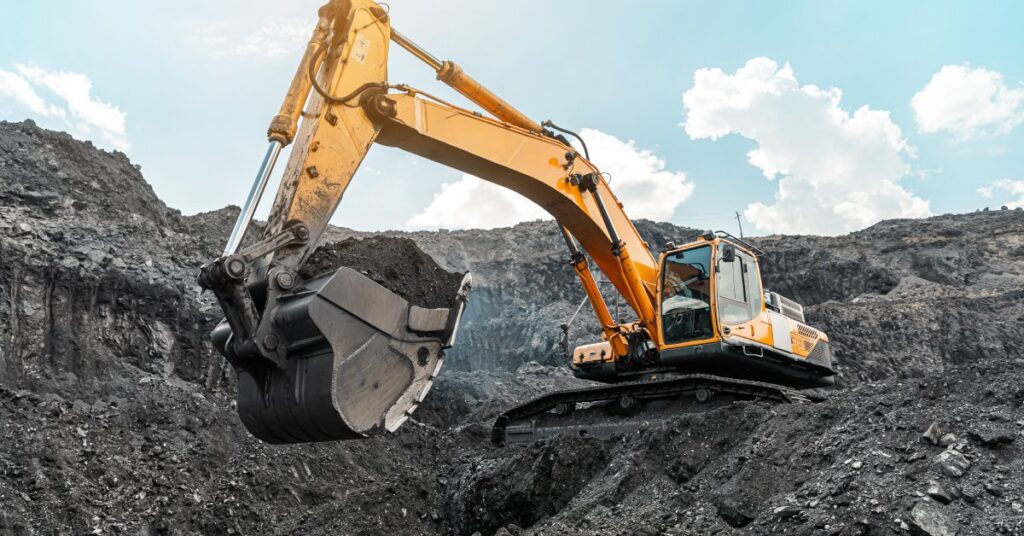
Mining operations require equipment that performs under extreme conditions without failing. Standard equipment can get the job done in most cases, but custom mining vehicle driveshafts meet demanding engineering standards required of harsh environments. Therefore, specialized solutions are valuable.
Custom driveshafts transmit substantial torque while enduring constant exposure to dust, chemicals, temperature fluctuations, and heavy loads. Careful planning around these rugged conditions is crucial for creating durable, dependable components.
Engineers must balance strength, flexibility, and long-term reliability to support the uninterrupted operation of mining fleets. Here are the most important design considerations for custom mining vehicle driveshafts.
Mining Vehicle Driveshaft Requirements
Torque and Power Transmission
Mining vehicles generate high torque to move heavy loads across rough terrain. Driveshafts must transfer these forces dependably.
Uneven load distribution and stress can shorten component life, so precise design and quality materials are vital. Driveshafts used in mining must have sufficient strength to prevent failure. Determine torque requirements by engine power, gear ratios, and expected loads.
Durability and Reliability
Unexpected equipment failures cause costly delays in mining operations. Driveshafts face near-constant stress cycles, which can lead to fatigue over time. Choosing durable base materials and robust designs lengthens component life.
In the case that a component malfunctions, the equipment needs to have fail-safes. Secondary support systems or multiple independent load paths ensure that if one element degrades, another can immediately take over its function.
For instance, a fail-safe design might include a shear pin that breaks under excessive load, preventing damage to more critical components while allowing for quick replacement. These measures are crucial for maintaining operational continuity and mitigating the risks associated with sudden breakdowns.
Environmental Factors
Mining environments present several hazards, including abrasive dust, corrosive chemicals, and temperature extremes. High heat or cold can affect materials, while humidity and moisture accelerate corrosion.
All of these elements can damage driveshafts. When choosing a custom driveshaft, remember that protective coatings, corrosion-resistant materials, and thoughtful designs help defend against these environmental threats.
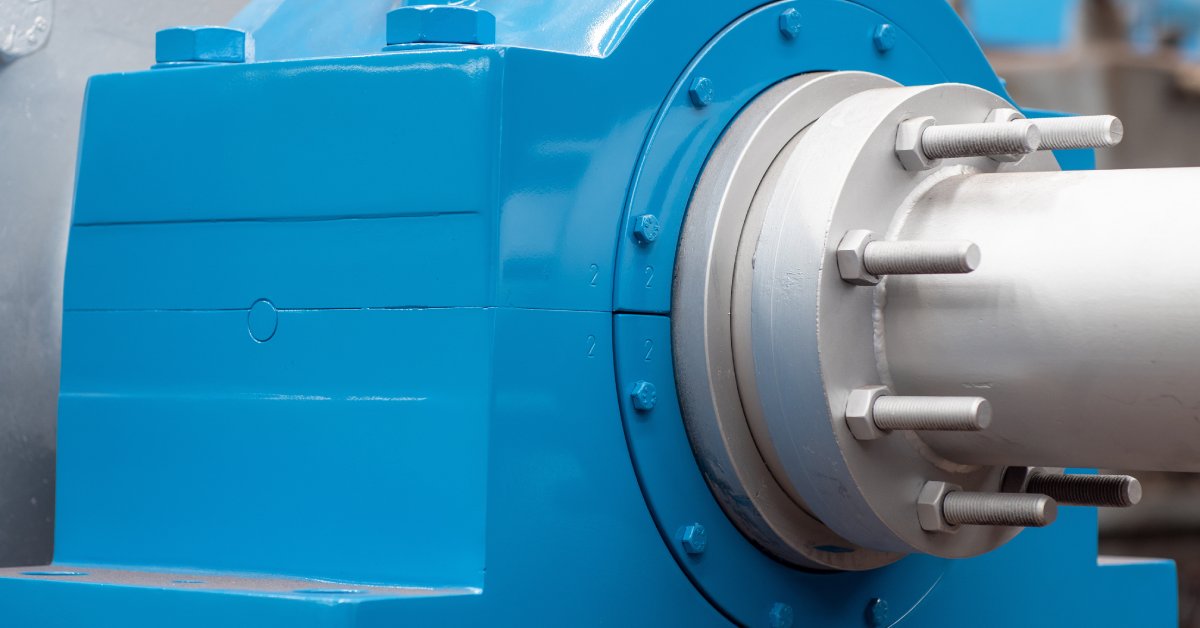
Key Design Considerations
Material Selection
When selecting materials, it’s important to balance cost with long-term value. Most custom mining vehicle driveshafts use high-strength steel alloys, giving excellent strength and durability. Alloying elements (like chromium or nickel) and heat treatments boost performance under extreme conditions.
While premium alloys may have a higher upfront cost, they often provide a longer service life and greater reliability. Their superior composition offers better resistance to wear, fatigue, and corrosion, reducing maintenance needs and minimizing the risk of unexpected failures. Taking this into account is especially critical in mining because equipment downtime can result in substantial financial losses.
Shaft Diameter and Length
Shaft diameter directly impacts torque capacity and strength, while shaft length is influenced by vehicle configuration and expected driveline angles. Large diameters improve strength but increase weight and manufacturing complexity. Long shafts may need additional support bearings to prevent excess flex or vibration.
Critical Speed Analysis
Critical speed refers to the rotational speed at which a shaft begins to experience excessive vibrations due to its natural frequency. At this speed, resonance occurs, amplifying vibrations and potentially leading to failure or damage if not properly addressed. Therefore, it’s important to conduct a critical speed analysis to optimize the driveshaft’s longevity.
Universal Joints
Universal joints connect shaft segments and handle angular changes due to driving conditions or uneven ground. Mining applications need heavy-duty joints with robust lubrication systems to survive demanding cycles.
Proper placement and maintenance of universal joints are necessary. Some joints are sealed for life, reducing upkeep, while others require regular greasing.
Slip Yokes
Slip yokes let the shaft adjust length as the suspension moves or as temperatures fluctuate. Well-designed slip yokes keep a secure connection with the transmission and feature seals to block dirt and protect lubrication. Material compatibility helps avoid corrosion, while effective lubrication prevents wear.
Advanced Design Techniques
Finite Element Analysis (FEA)
FEA uses computer models to simulate stresses, deflection, and potential failure points before actual manufacturing. This allows engineers to optimize designs and choose the ideal materials and configurations.
Modal analysis, performed during FEA, exposes vibration risks. Engineers can fine-tune the designs to avoid operating at natural frequencies that might cause failure.
Dynamic Balancing
Precision balancing is vital for large, high-speed driveshafts. Even small imbalances can cause vibrations that damage the bearings and seals. Balancing equipment and conducting ongoing inspections facilitate smooth operation and long service life.
Surface Treatments
Driveshafts benefit from coatings that resist wear and corrosion, such as hard chrome plating or specialized paint systems. Heat treatments and chemical treatments can further enhance surface hardness and protection.
Maintenance and Inspection Guidelines
Routine inspections help catch early signs of wear, corrosion, or misalignment. Regular checks should focus on:
- Universal joint and slip yoke wear.
- Corrosion or surface damage.
- Vibrations or abnormal noise.
- Lubrication levels and condition.
Vibration monitoring during operation can spot emerging issues before they escalate. Maintenance routines should follow manufacturer recommendations, with some components designed for lifetime lubrication while others need consistent servicing.

Emerging Trends in Driveshaft Technology
The mining sector constantly evolves, and recent advances in driveshaft technology are helping operators meet new challenges. One trend is the shift towards composite materials. Advanced composites, such as carbon fiber-reinforced polymers, offer impressive strength-to-weight ratios and provide excellent resistance to corrosion. They are especially beneficial in chemically aggressive mining sites. While still less common than steel, these materials are gaining traction in specific high-performance applications.
Another emerging trend is the integration of smart monitoring systems. Modern driveshafts can feature sensors that track vibration, temperature, and torque in real time. These intelligent systems provide actionable data, enabling predictive maintenance and reducing unplanned downtime.
Electrification is also influencing mining vehicle design. As more mines adopt battery-electric vehicles for reduced emissions and better underground air quality, driveshafts and driveline systems must adapt to unique torque curves and integration requirements of electric powertrains.
Partner With Driveline Specialists
The design of custom mining vehicle driveshafts demands engineering expertise and proven manufacturing capability. Working with specialists ensures designs match the exact needs of specific mining applications.
Bull Powertrain has driveline specialists ready to conduct repairs or offer custom solutions. We will recommend the best materials, dimensions, and features for reliable mining equipment performance.