
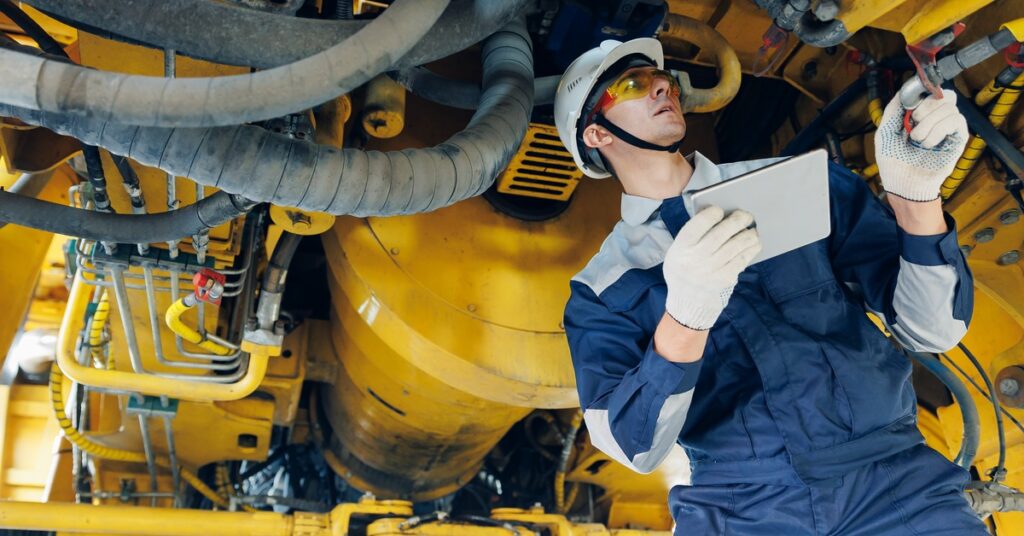
The hard rock underground mining environment presents some of the most demanding conditions for heavy machinery. Exposure to dust, moisture, extreme temperatures, and vibrations places immense stress on every part of the equipment. For operators and maintenance teams, this reality means that maximizing equipment uptime and operational efficiency is a persistent challenge. Unplanned downtime can halt production and cause logistical nightmares deep beneath the surface.
In this high-stakes setting, standard maintenance schedules based on fixed intervals aren’t sufficient. The key to preventing unexpected equipment failures lies in adopting advanced, data-driven technologies. Smart sensors improve off-highway equipment efficiency because they can predict maintenance based on the data collected.
The Role of Smart Sensors in Mining
Smart sensors are advanced devices equipped with microprocessors that process data before transmitting it. Unlike sensors that only measure and report raw data, smart sensors can interpret information, communicate with other systems, and even make decisions locally. They are the foundation of the Industrial Internet of Things (IIoT), creating a network of intelligent devices that provide a comprehensive view of equipment health and performance in real time.
For off-highway equipment used in underground mining, the sensors are beneficial for engines, transmissions, and hydraulic components. They continuously monitor a wide range of parameters, including temperature, pressure, vibration, fluid levels, and oil quality.
Professionals don’t have to guess when equipment needs maintenance. The constant stream of data offers a detailed, live picture of the machine’s performance.

Predictive Maintenance: From Reactive to Proactive
Smart sensors mark a shift from reactive or preventive maintenance to a predictive maintenance model. In the past, individuals typically performed maintenance after a component failed (reactive) or at predetermined intervals (preventive), regardless of the actual condition of the part. While preventive maintenance is an improvement over a reactive approach, it can lead to unnecessary component replacements and equipment downtime, as workers commonly replace parts before the end of their useful life.
Predictive maintenance, powered by smart sensor data, changes this paradigm completely. By continuously analyzing data streams, advanced algorithms detect subtle anomalies that indicate the early stages of component wear or potential failure.
For instance, a slight increase in vibration in a transmission or a gradual rise in hydraulic fluid temperature could be early warnings of a developing issue. Alerts allow maintenance teams to address problems proactively; they can schedule repairs during planned downtime before catastrophic failure wreaks havoc on operations. Unexpected breakdowns become less frequent, and the components have a longer lifespan.
Enhance Operational Efficiency and Performance
Beyond preventing failures, smart sensors provide valuable insights that can be used to optimize the overall performance of off-highway equipment. The technology collects data and analyzes fuel consumption, engine load, operator behavior, and cycle times to identify opportunities for greater efficiency. This information helps mine managers make informed decisions that directly impact productivity and operational costs.
For example, by analyzing data from multiple haul trucks, managers might discover that certain routes or operating practices lead to higher fuel consumption or increased strain on the powertrain. They can adjust operator training, optimize haulage routes, or modify operational parameters to reduce fuel usage and minimize wear on the machine.
Key benefits of using sensor data for operational enhancement include:
- Optimize fuel consumption: Identifying and correcting inefficient operator habits or suboptimal engine performance to reduce fuel costs.
- Reduce cycle time: Analyzing workflow data to streamline loading, hauling, and dumping processes, thereby increasing the number of cycles completed per shift.
- Monitor operator performance: Providing targeted feedback and training to operators to promote safer and more efficient equipment handling.
- Improve resource allocation: Using performance data to match the right equipment to the right task and avoid overworking or underutilizing the machinery.
Boost Safety in Underground Environments
Safety is the top priority in any mining operation, and the underground environment presents a plethora of risks. A sensor might detect an overheating engine component or a critical drop in hydraulic pressure. The operator knows to shut down the machine and evacuate before a fire or mechanical failure creates a dangerous situation.
Furthermore, sensors monitor the structural integrity of a machine’s frame and other critical components. They can detect stress fractures or fatigue that might be invisible to the naked eye. It’s particularly important for equipment that’s subjected to constant heavy loads and intense vibrations.
The data collected creates a transparent record of equipment health. As a result, mining organizations can cultivate a culture of safety and accountability.

Data Integration and Centralized Monitoring
Modern telematics platforms and fleet management software collect information from an entire fleet of off-highway equipment, regardless of make or model. This provides a single, unified view of all assets, allowing maintenance planners and operations managers to monitor equipment health, track performance metrics, and coordinate activities from a central control room.
A centralized approach streamlines decision-making and improves communication between teams. A maintenance planner can see which machines are due for service, an operations manager can track production targets in real time, and a safety officer can monitor for potential hazards across the entire site.
The integration of data from various sources, including off-highway powertrain components, enables an approach to asset management. Professionals can base decisions on comprehensive, real-time information rather than fragmented data or intuition.
Pave the Way for Safe and Smart Mining Operations
The integration of smart sensors is a technological upgrade that shifts the approach to mining management. Now, organizations can transition from a reactive stance to a proactive one. Smart sensors improve off-highway equipment efficiency, safety, and the bottom line by providing a continuous flow of real-time data.
Greater productivity and operational stability are in your future. For hard rock underground miners looking to harness the power of advanced components, partner with a specialist. Bull Powertrain is a leading off-highway powertrain specialist dedicated to quality. We work exclusively with genuine original equipment manufacturer (OEM) parts and components from trusted brands like Dana, Funk, and Kessler.
Our experienced technicians will ensure your equipment is incredibly reliable and performs efficiently. Contact the team at Bull Powertrain today to learn how we can support your operation.