
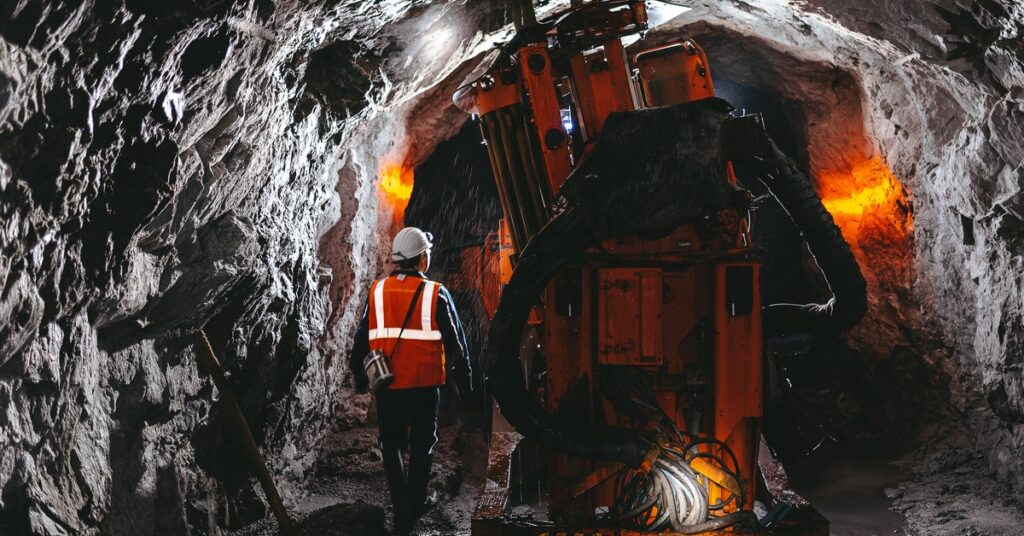
Hard rock mining environments place extreme demands on machinery that standard components struggle to meet. Dust, humidity, corrosive water, and constant shock loads attack every moving part of excavators, drills, underground loaders, and more.
When stock components fail, production stops, and the cost of downtime quickly exceeds the price of the replacement part itself. There are benefits to upgrading to high-performance driveline parts. From reveals why many operations now prioritize premium aftermarket or upgraded OEM components over standard replacements.
Engineering Differences: Standard vs. High-Performance
A driveshaft might look identical on the outside, but its engineering dictates its quality. Manufacturers build standard parts to meet general specifications for a wide range of applications. High-performance components differ fundamentally in their design, material selection, and manufacturing processes. These differences determine whether a part survives a double shift or fails halfway through.
Advanced Metallurgy and Material Selection
Standard driveline components typically utilize commercial-grade carbon steel. They function adequately under normal highway conditions but lack the resilience required for the cyclic loading of underground mining. High-performance parts incorporate alloy steels—such as chromoly and heat-treated variants—and offer superior tensile strength by resisting forces that snap standard shafts.
The grain structure of the metal also changes the performance characteristics. Forged components found in high-performance assemblies align the metal’s grain structure with the part’s shape. The design increases toughness and resistance to impact fatigue. Standard parts made from cast iron or basic machined steel possess a random grain structure, creating potential weak points where cracks initiate under stress.
Precision Machining and Tolerances
Manufacturing tolerances define how well moving parts fit together. High-performance drivelines feature tighter machining tolerances than their standard counterparts. Tighter clearances reduce internal vibration and play, which destroy bearings and U-joints over time. Even microscopic imperfections in a spline or yoke interface generate heat and accelerate wear.
Manufacturers of premium parts employ computer-aided manufacturing (CAM) to achieve exact dimensions. The process creates a perfect mating surface between the slip yoke and the spline. A secure fit transmits power efficiently and prevents the clunking associated with loose tolerances.
Enhanced Heat Treatment Processes
Heat treatment fundamentally alters the hardness and durability of steel components. Standard parts receive basic through-hardening or simple surface treatments. While this provides some protection, it rarely penetrates deep enough to withstand the abrasive grit found in mines. High-performance parts undergo specialized processes like induction hardening or carburizing.
Induction hardening creates a deep, wear-resistant outer case while maintaining a ductile core. This combination proves essential for shock absorption. If a part is too hard all the way through, it becomes brittle and shatters under impact. A ductile core absorbs the energy from rock strikes or sudden torque spikes, while the hard outer layer resists abrasion from contaminants.

The Performance Benefits of Advanced Drivelines
Investing in superior engineering yields tangible results for mining operations. The advantages extend beyond simple durability; they impact the efficiency and safety of the entire fleet. Operators notice the difference in machine response, and maintenance planners see the difference in their logs.
Reducing Catastrophic Failure Rates
Sudden equipment failure presents safety risks and logistical nightmares in a decline or drift. A snapped driveshaft turns a mobile asset into a stationary obstruction. High-performance parts possess a higher yield strength, meaning they withstand greater force before permanently deforming or breaking.
This resilience proves valuable during high-stress maneuvers. When an operator crowds a muck pile or shifts gears on a steep grade, the driveline experiences massive torque spikes. Stronger yokes and crosses absorb these spikes without failing.
Handling Increased Torque Loads
Modern underground engines produce significantly more torque than their predecessors. Upgrading the engine or transmission without strengthening the driveline transfers the failure point to the driveshaft. High-performance drivelines match the output of modern powertrains.
These components utilize larger trunnion diameters and thicker tubing walls. The increased mass and smarter geometry effectively manage higher rotational forces. The transmission of power from the engine to the wheels occurs with minimal energy loss due to flex or twist. Machines maintain better traction and power delivery, especially when fully loaded on an uphill haul.
Extended Maintenance Intervals
Maintenance teams in mines constantly fight a backlog of repairs. Components that require daily attention drain resources. The superior sealing and material hardness of high-performance parts allow for longer intervals between servicing. Grease retention improves, reducing the frequency of required lubrication.
Standard parts wear out quickly, forcing mechanics to replace U-joints and carrier bearings frequently. Premium alternatives last longer, freeing up the maintenance crew to focus on other priorities. The shift from reactive repair to scheduled maintenance stabilizes the entire fleet management strategy.
Advanced Sealing Technology
Contamination kills driveline components faster than mechanical fatigue. Standard universal joints and center bearings rely on basic rubber seals that deteriorate in the presence of acidic mine water or fine rock dust. Once the seal fails, abrasive slurry enters the bearing cup, destroying the needle rollers.
High-performance components utilize multiple lip purgeable seals. These advanced seals feature multiple barriers against ingress. They also allow fresh grease to flush out old contaminants during maintenance cycles. High-temperature elastomers used in these seals resist degradation from heat generated by friction or nearby exhaust systems, ensuring the lubricant stays exactly where it belongs.

Decreased Cost of Ownership
Procurement departments initially hesitate at the higher price tag of premium parts. However, the purchase price represents only a fraction of the total cost. Analyzing the budget reveals the true benefits of upgrading to high-performance driveline parts over time. You calculate the value by adding the cost of the part, the labor to install it, and the lost production revenue during downtime.
A cheap part that fails three times a year costs far more than a premium part that lasts twelve months. Reduced labor and increased machine availability will generate a positive return on investment.
Improved Operator Comfort and Safety
Vibration from a poorly balanced or worn driveline travels through the chassis to the operator’s cabin. Long-term exposure to whole-body vibration fatigues the operator and poses health risks. High-performance driveshafts undergo dynamic balancing at high RPMs to eliminate imbalances.
Smooth operation improves the driving experience. Operators maintain better control over the vehicle when the power delivery feels consistent and vibration-free. A comfortable operator stays alert and productive throughout the shift. Safety improves as the risk of mechanical failure during operation decreases.
Standard components simply lack the engineering to survive the constant assault of torque, shock, and abrasion found underground. The shift to high-performance components eliminates the cycle of constant repair and replacement.
Protect your assets and your production schedule by choosing driveline parts engineered with superior metallurgy, tight tolerances, and advanced sealing. For access to genuine Dana, Spicer, and GWB components that withstand extremely tough conditions, contact Bull Powertrain. Our team understands the mining industry’s demands and supplies high-performance solutions.