

Standard brakes installed in heavy machinery fail under the intense heat and pressure of continuous hauling. Ausco brakes are a specialized solution. These wet, enclosed systems offer a distinct advantage over dry calipers by keeping contaminants out and performance high regardless of the external terrain. Additionally, they offer fail-safe stopping power for off-highway vehicles in harsh environments.
To find out if Ausco driveline brakes are right for your mining machinery, it’s valuable to know all about how they function and why they’re effective.
The Unforgiving Nature of Mining Environments
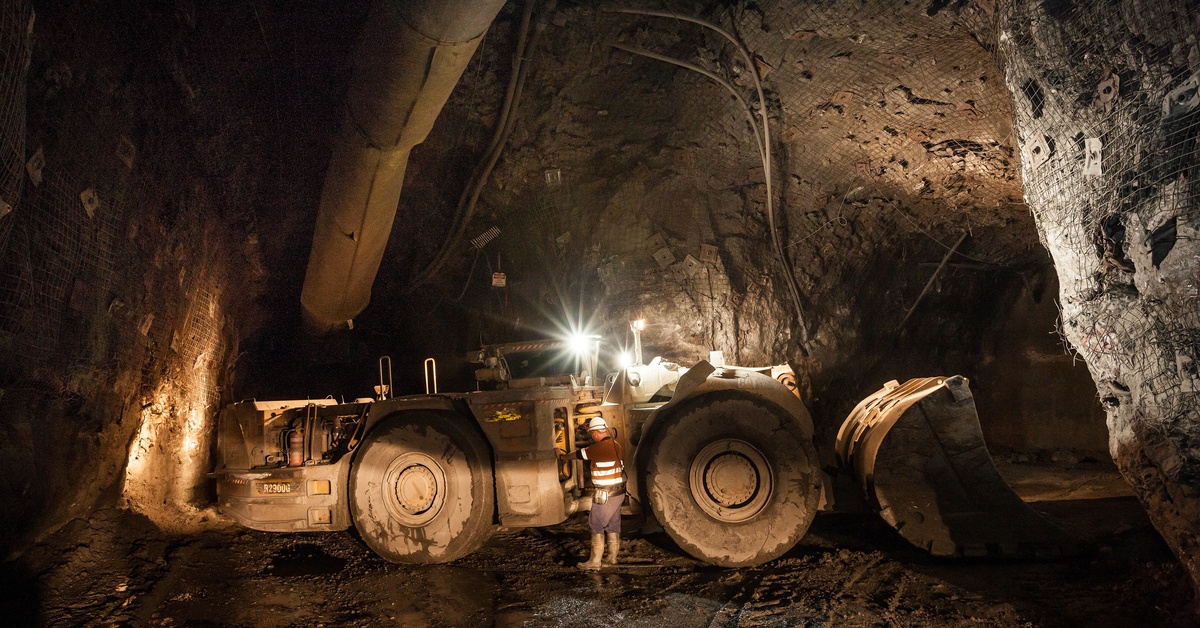
Mining sites present some of the most hostile conditions for mechanical equipment found anywhere on the planet. Haul trucks and scooptrams traverse steep grades while carrying tons of ore, generating massive kinetic energy that the braking system must dissipate. Constant physical strain generates intense heat in standard braking components, which degrades friction material rapidly.
Environmental factors compound these mechanical stresses significantly. Abrasive granite dust, corrosive mud, and subterranean water attack exposed parts, wearing them down with alarming speed. Conventional open braking systems suffer in these scenarios because debris lodges between pads and rotors.
Ausco’s enclosed design combats these specific environmental threats effectively by sealing the critical components away from the elements. The cast iron housing acts as a fortress against rock strikes and liquid ingress. The internal friction plates stay clean and functional within their specified parameters.
How Multi-Disc Wet Brakes Function
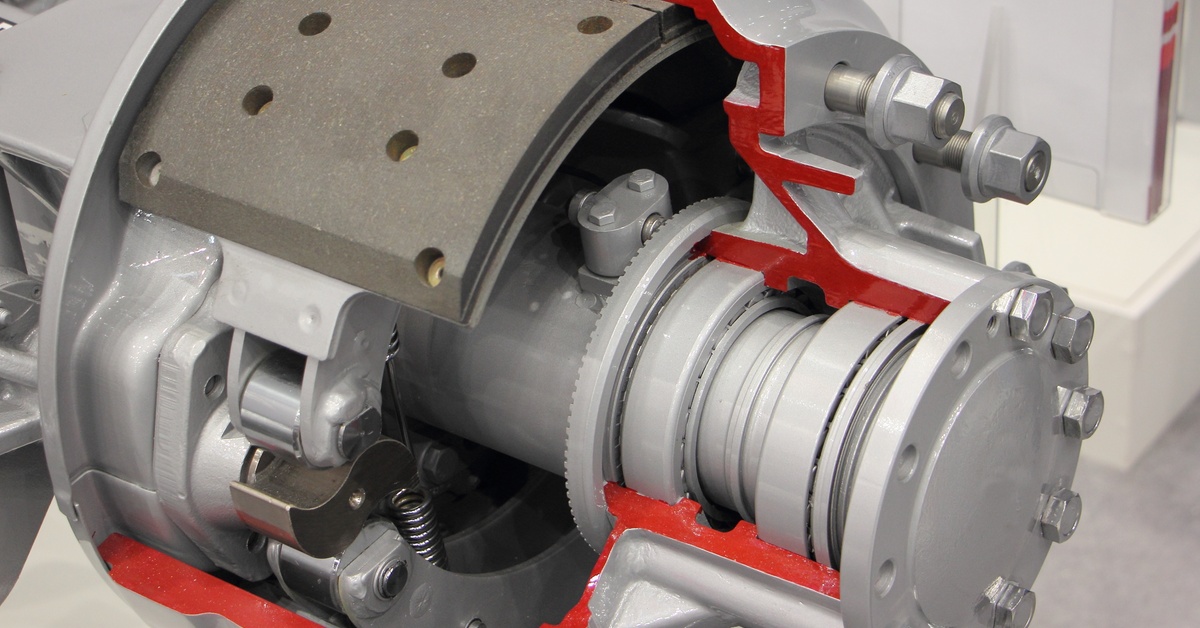
Multi-disc wet brakes utilize friction discs housed within a sealed, fluid-filled chamber. Specialized oil circulates through the discs, dissipating the intense heat generated during friction engagement. Internal cooling prevents brake fade, a common and dangerous issue in dry systems during long descents.
The presence of oil creates a hydrodynamic film between the friction plates and the stationary plates. The film reduces wear during the initial engagement and disengagement phases of braking. Consequently, the friction material lasts significantly longer than dry pads used in similar applications.
Torque generation in these units remains consistent because the friction environment never changes. Unlike dry brakes that lose efficiency when wet or muddy, the internal environment of an Ausco brake remains constant. Operators receive the same stopping response every time they depress the pedal.
The Mechanics of Fail-Safe Operation
Safety remains the primary concern for any mining operation involving heavy rolling stock. Ausco systems typically operate as spring-applied, hydraulic-release (SAHR) mechanisms. Heavy-duty springs engage the brake automatically if hydraulic pressure drops for any reason.
A vehicle immediately during a hydraulic hose failure or engine stall. The mechanism provides peace of mind when operating on dangerous inclines where a runaway vehicle causes catastrophic damage. The parking brake function utilizes this same mechanical force, holding the machine firmly in place without relying on hydraulic pressure.
To move the vehicle, the hydraulic system pumps fluid into the brake actuator. The pressure compresses the springs and separates the friction discs, allowing the shaft to rotate freely. If the operator hits the emergency stop or the engine shuts down, that pressure vents, and the springs clamp the discs back together instantly.
The Integration Into Off-Highway Drivetrains
You will find Ausco driveline brakes on various utility vehicles within a mining fleet. They suit scooptrams, underground loaders, and personnel carriers that navigate narrow tunnels. Their compact footprint allows installation in tight spaces typical of specialized mining drivetrains.
Engineers place the brakes on axle inputs or transmission outputs, applying braking force earlier in the driveline. The setup increases holding torque at the wheels, enabling a smaller, lighter brake to manage large vehicles effectively. The design streamlines chassis layouts, keeping the brakes internal or on the driveline, which makes wheel ends easier to service.
Positioning the brakes away from vulnerable wheel areas also protects sensitive braking hydraulics from potential damage. The approach enhances efficiency, durability, and ease of maintenance for vehicle systems.
Advantages Over Dry Caliper Systems
Comparing wet enclosed brakes to dry calipers reveals distinct operational differences that favor the mining industry. Understanding these benefits helps procurement officers make informed decisions about fleet specifications.
- Extended service life: The oil-cooling method significantly reduces thermal degradation of the lining material.
- Environmental isolation: The sealed housing prevents water, mud, and rock dust from interfering with mechanical operation.
- Consistent torque output: Performance remains stable regardless of humidity, rain, or puddles on the haul road.
- Reduced maintenance frequency: The system requires fewer adjustments and lining changes than exposed caliper designs.
Preventing Thermal Failure on Gradients
Heat management dictates the limits of any braking system in a heavy haul scenario. When a loaded truck descends a grade, the brakes convert kinetic energy into thermal energy. Dry brakes struggle to shed this heat quickly enough, causing the fluid to boil or the pads to glaze.
Ausco wet brakes use the thermal mass of the housing and the oil to absorb this energy spike. The fluid transfers heat away from the friction surfaces to the outer casing, where ambient air cools it. Some heavy-duty applications pump the oil through an external heat exchanger for additional cooling capacity.
Enhanced thermal stability supports mining vehicles when they’re operating aggressively on slopes. It permits faster cycle times because operators trust the equipment to stop at the bottom of the ramp. Efficiency in haulage directly correlates to the thermal capacity of the stopping mechanism.
The Cost of Downtime
A truck sitting in the workshop generates zero revenue for the mine. Brake failures rank among the most common reasons for unplanned maintenance in off-highway fleets. The time required to tear down a wheel end or replace a caliper adds up quickly.
Ausco brakes generally require less frequent service interventions. However, when they do need service, the process involves removing the unit from the driveline. This reinforces the importance of preventative maintenance to avoid full teardowns during production shifts.
Investing in reliable components reduces the total cost of ownership over the machine’s life. While the initial cost of a wet brake system exceeds a dry caliper, the reduction in service hours balances the equation. Reliability translates directly to profitability in a 24/7 extraction operation.
Sourcing Genuine OEM Components
Another thing that you need to know about Ausco driveline brakes is that it’s always better to select original equipment manufacturer parts. Verified components maintain system integrity and safety certifications. Substandard seals or friction discs compromise the fail-safe capabilities of the SAHR mechanism.
Aftermarket parts that deviate from the original tolerances cause internal leakage or dragging. A dragging brake overheats the oil rapidly, leading to premature failure of the entire assembly. Only components manufactured to the exact engineering standards perform correctly under the massive spring loads involved.
Secure Your Equipment’s Future
The safety of your operators and the efficiency of your fleet depend on the reliability of your braking systems. Ausco driveline brakes offer a proven solution for the rigors of underground and open-pit mining. Their sealed design, fail-safe actuation, and thermal stability make them the superior choice for heavy-duty applications.
Bull Powertrain has an impressive inventory of parts and components that includes a wide range of Ausco products. Contact Bull Powertrain today to connect with a reliable Ausco brake distributor and keep your fleet running safely.