
Steep grades and long production shifts put substantial pressure on mining machinery. Without the torque converter, the equipment would be incapable of countless everyday tasks, from climbing to digging. On the other hand, a weak component drains the equipment’s power and increases the oil’s temperature.
Understanding how the unit works and what the machine demands is essential for choosing the right torque converter. Use these tips to minimize slips, protect the transmission, and improve handling on every rugged jobsite.
What a Torque Converter Does
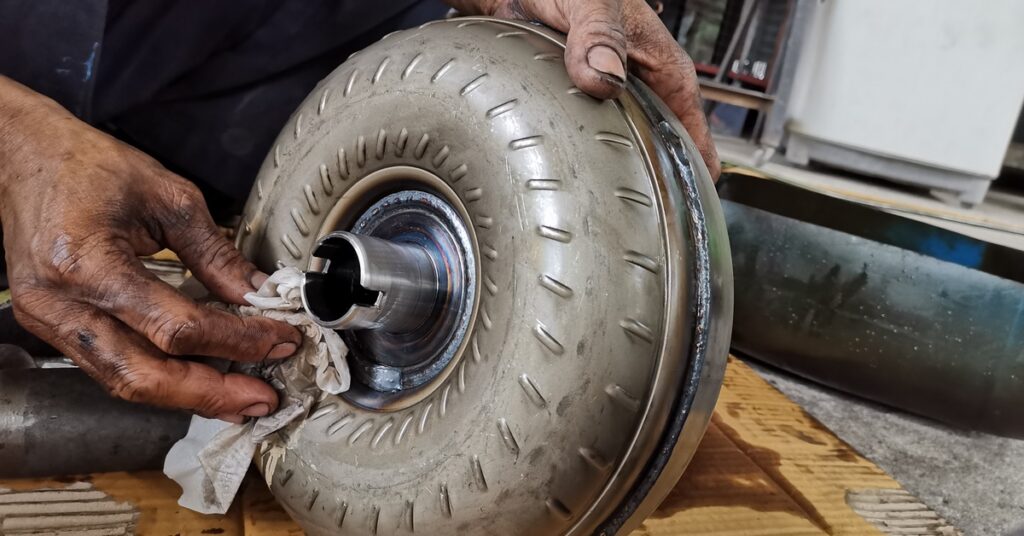
A torque converter transfers engine power to the transmission through hydraulic force. Instead of relying on direct mechanical contact, it uses fluid flow to multiply torque during startup or during heavy load events. That function gives mining equipment the strong launch plus controlled movement needed in rough underground conditions.
The hydraulic action gives the operator smooth engagement without a harsh shock to the driveline. It supports machine response at the moment heavy resistance hits, especially during repeated start-stop work.
Why Is the Component Important?
A loader entering a muck pile or a haul truck pulling from a dead stop needs strong, low-speed force right away. The right converter delivers that force without making the engine fight the load too early.
That support improves machine control in work zones. Instead of surging or hesitating, the equipment responds steadily. With ample control, crews can protect the equipment’s driveline, tires, and more.

Match the Converter to the Task
No torque converter fits every machine or every duty cycle. Selection should start with the job that the equipment performs underground.
Identify where the machine spends most of its time. Does it load items at low speed or climb ramps holding heavy rock? Each detail will shape the converter’s configuration.
Consider Load and Cycle Demands
Load weight affects which component is ideal for the mining machinery. A converter that performs well in moderate service may struggle in severe duty if the machine faces constant resistance. In those situations, excess slip raises heat and wastes engine power.
Next, be sure to consider the cycle length. Short, repeated cycles cause the machine to run again and again, which strains the converter immensely. Maintenance teams must review the equipment’s use patterns before choosing a replacement converter.
Watch the Operating Environment
Torque converters will degrade when there’s little airflow or contaminates on the jobsite. However, not every jobsite is the same. Crews have to use their best judgment when evaluating the working environment.
Will the torque converter withstand high temperatures or humidity? What is the converter’s load limit? Answering these questions will lead you to a component that suits the machine’s workload and the site.
Focus on Stall Speed
Stall speed refers to the engine speed reached when the converter remains still when the transmission is under load. The value affects launch feel, torque delivery, and heat generation.
Wasting power is possible when the stall speed is extremely high. On the other hand, a slow speed results in a sluggish, unresponsive machine. The goal is to find a torque converter that balances the following specifications:
- Engine characteristics
- Tire size
- Gear ratios
- Tasks performed
Enhance Control for Low-Speed Projects
Many underground machines spend a large share of their time at low speed under heavy resistance. In those cases, control and torque transfer carry real weight. A converter tuned for that environment stops the machine from fighting itself.
Good stall speed selection supports both performance and service life. Tasks like loading, spotting, or climbing benefit. Operators notice smooth engagement, while maintenance teams see less stress across related driveline components.
Signs of a Low-Quality Torque Converter
Complete component failure takes time, but there will be minor signs along the way. When the converter doesn’t suit the machine’s load or duty cycle, performance slips. Crews capable of diagnosing torque converter issues promptly will avoid straining the powertrain.
Excessive Heat
Heavy machinery inevitably generates heat. Nevertheless, the system needs numerous elements to mitigate high temperatures.
If a torque converter slips repeatedly, it turns too much engine energy into heat instead of usable force. The temperature degrades the oil and transmission, worsening the stress the equipment must endure every shift.
Sluggish Launch
A poor launch response points to the wrong converter setup. If the machine hesitates or stops unexpectedly, the converter may not be delivering the torque multiplication the application needs. The weak response hurts productivity because of the repeated resistance and maintenance tasks.
Weak Ramp Performance
Mining equipment demands a steady pulling force on grades. When the converter doesn’t match the machine’s operating demands, the equipment may surge, lag, or struggle to hold consistent power when resistance rises. That performance gap reduces efficiency and makes the machine harder to operate smoothly.

Precision Affects Performance
Converter performance depends on internal accuracy. If clearances drift or internal surfaces wear beyond spec, the unit loses efficiency and runs hotter. Even small defects can reduce torque transfer during difficult moments.
A strong rebuild process restores the converter’s hydraulic performance, balance, and durability. That work helps the machine launch harder, run steadier, and stay productive through demanding shifts. For underground operations, an extremely precise part isn’t optional.
Ask the Right Questions
The best converter choice usually comes from knowing exactly what you’re buying before you install it. Maintenance teams must gather numerous details about the machine beforehand, including the
- model,
- engine setup,
- transmission pairing,
- tire size,
- haul profile,
- and site conditions.
Next, review the machine’s service history. Equipment that endures the same issues over and over again will lead maintenance teams to the appropriate repair. The team will be able to find the best torque converter that restores the equipment’s performance.
Improve Equipment Performance With a New Torque Converter
Choosing the right torque converter helps mining equipment produce a steady force, generate minimal heat, and respond promptly under extreme loads. If your equipment needs a new unit or a rebuild backed by genuine component knowledge, Bull Powertrain can help. Our team supports hard rock underground operations with torque converter repair and off-highway powertrain services built around Dana, Funk, and Kessler applications. Contact Bull Powertrain to discuss your machine, and we’ll help you find the right component for the job.