
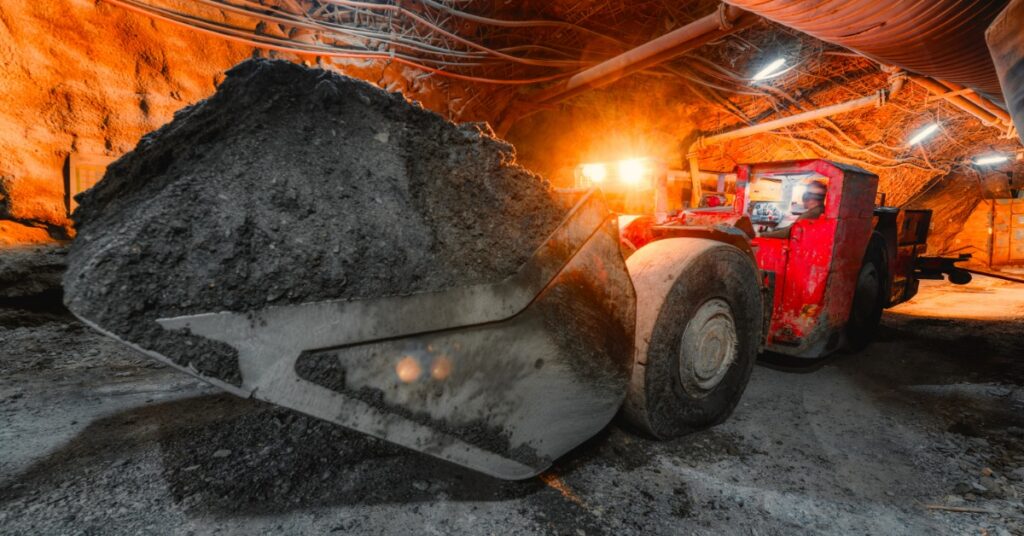
The driveline has a direct effect on traction, machine response, heat generation, and component lifespan. Load-haul-dump machines, underground trucks, scalers, and utility vehicles combat steep grades, rough headings, sharp turns, and repeated shock loads. Therefore, the driveline has to transfer torque with very little loss.
A properly engineered universal joint keeps torque moving through changing shaft angles without dragging or causing an unstable shaft line. GWB universal joints enhance driveline efficiency by preventing power loss through vibration, misalignment, and excessive friction. Find out why these components support smooth travel, steady traction, and improved control.
What the Driveline Does
The driveline transfers power from the engine and transmission to the axles that move the machine. In underground mining equipment, it has to perform while the chassis twists, the axle travels, and the machine works through rough ground while carrying a full load. The process isn’t a simple straight-line rotation transfer. As the machine turns, climbs, and flexes, the angle between connected shafts changes continuously.
The universal joint handles one of the toughest parts of that job. It connects rotating shafts while letting them operate through angular movement. Without that flexibility, the driveline would bind as the machine articulates or the axle shifts. This is one reason joint design has such a strong effect on efficiency. If the joint is poorly matched to the task, the driveline loses energy because of vibrating and fluctuating speeds.
How the Driveline Components Work Together
Each driveline component supports the next one in the power path. The transmission sends torque into the output section, and the driveshaft carries torque across the machine. The universal joints keep the shaft line working through angle changes as the slip section compensates for length variation. Then, the differential and final drives deliver torque to the wheels.
When the system is in good condition, power flows through that path with minimal loss. The machine is responsive and maintains consistent traction under load. When one part wears or misaligns, the entire driveline suffers. A worn joint vibrates and damages the splines and bearings. A seized slip section forces axial load into the shaft line. A misaligned flange increases heat generation and shortens the longevity of multiple parts.
Why Is Joint Design Important?
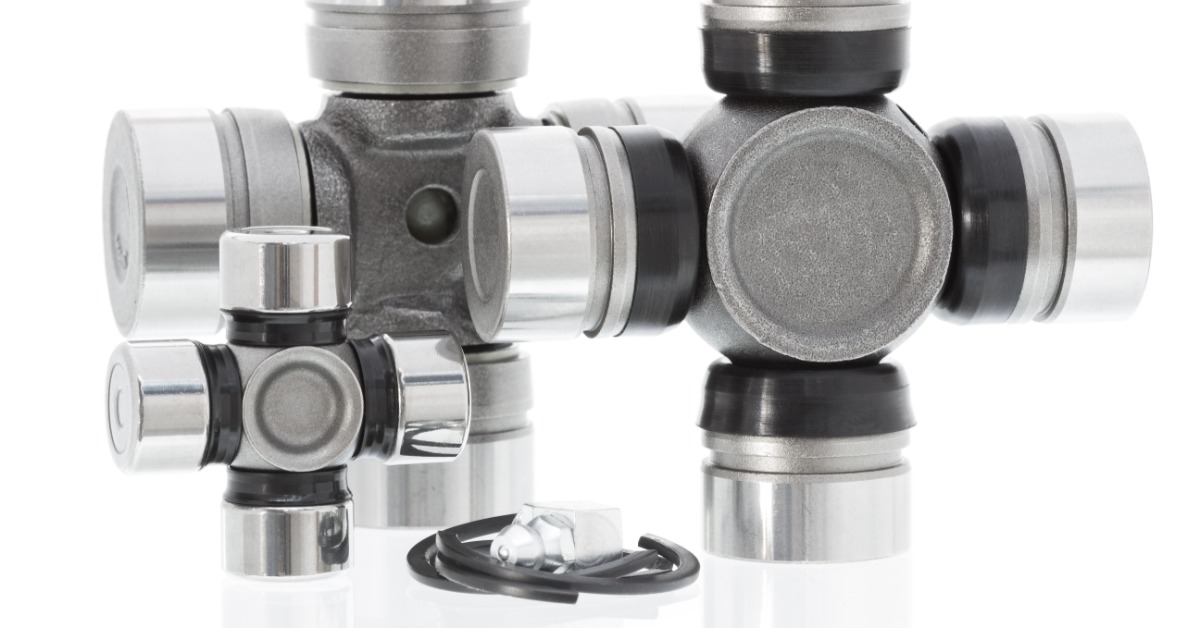
Universal joints have a simple purpose, but their effect on machine performance is significant. Shafts rarely stay perfectly aligned during underground mining operations. Every articulation point, axle movement, and terrain change introduces varying angles into the driveline. A high-quality joint withstands every change.
How GWB Joints Improve Efficiency
GWB universal joints are designed for heavy-duty industrial applications. They improve driveline efficiency by stabilizing the shaft line while transmitting power amidst movement and load changes.
Smooth Torque Flow
A properly selected GWB joint helps the driveline carry torque through variable shaft angles with less rotational disturbance. The smooth torque flow decreases the energy lost through shaft vibration and unstable motion. In the field, this gives operators better throttle response and cleaner power delivery when climbing ramps, hauling ore, or pushing through broken ground.
Reduced Vibration
Vibration robs the driveline of usable power and wears down other components. Once the vibrations begin at the joint, they travel into the driveshaft, splines, bearings, seals, and mounting points.
GWB joints mitigate excessive movement by maintaining a strong mechanical connection through demanding angles. The machine transfers power more efficiently when the shaft line runs with minimal vibration. Additionally, the connected components will be in better condition for longer periods.
Strong Shock-Load Handling
Hard rock mining puts sharp torque spikes into the driveline every day. An LHD (load-haul-dump) machine reversing with a loaded bucket, a truck hitting uneven ground, or a machine grabbing for traction on a grade sends sudden force through the shaft line.
GWB universal joints will withstand these forms of operational strain. Their strength helps the driveline stay tight and functional under harsh duty instead of losing efficiency through looseness, deflection, or premature wear.
Improved System Reliability
Driveline efficiency is not only about power transfer at one moment in time. It’s tied to how the system performs over long operating hours.
A joint that is aligned, resists wear, and supports stable torque flow protects the driveline. The result is fewer interruptions, more predictable maintenance cycles, and increased machine availability.
The Signs of Decreased Efficiency
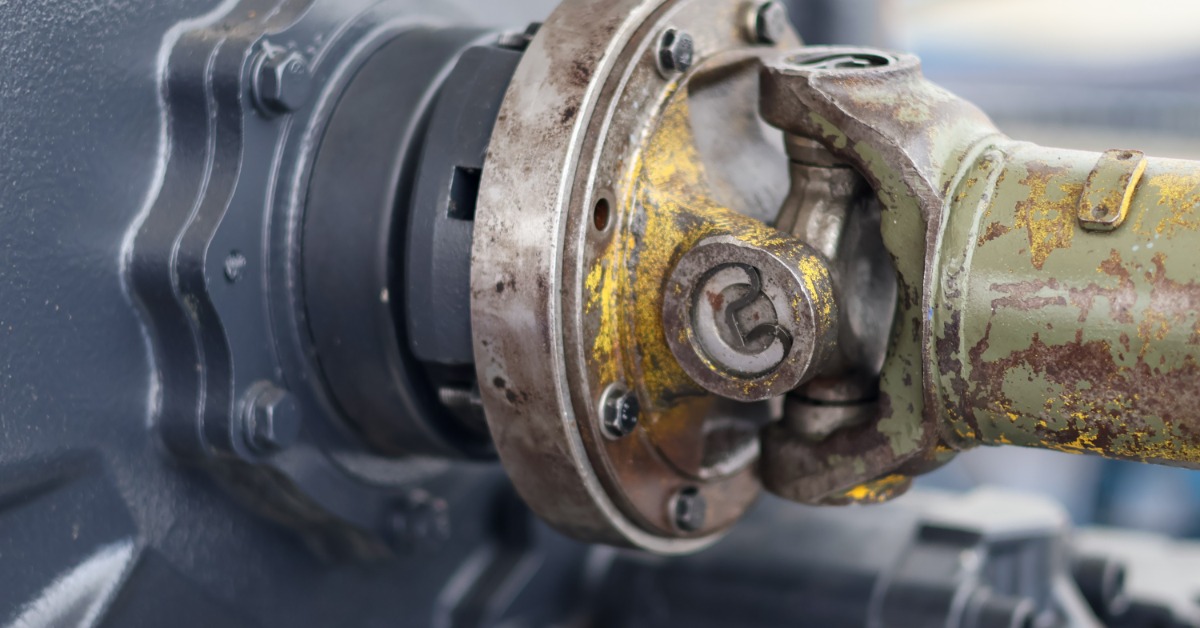
Mining crews usually spot driveline inefficiency through machine behavior before they identify the root cause. The warning signs tend to show up during operation or inspection. Common issues include:
- Increased vibration during travel
- Clunking during acceleration or deceleration
- Heat near the joint or shaft
- Uneven spline wear
- Loose fasteners
- Seal leakage around connected parts
- Rough power delivery under load
These symptoms point to energy loss somewhere in the driveline. Instead of transmitting torque cleanly to the wheels, the system wastes power through friction, instability, and stress. Left unresolved, these issues increase operating costs and the risk of unplanned downtime.
What Mining Teams Should Check Before Selecting Equipment
When selecting or servicing a universal joint for underground equipment, focusing on the fit alone is insufficient. Teams evaluating GWB industrial driveline solutions usually look for that combination of durability and efficient power transfer.
The joint must match the machine’s torque demand, operating angle, articulation range, duty cycle, and shock-load profile. It should be evaluated in the context of the full driveline, not as a stand-alone part.
Contamination is another key concern in underground service. Water, dirt, abrasive fines, and heat all affect joint life. Sealing, lubrication quality, and service access deserve close attention during inspection and replacement planning.
Strengthen Your Machinery’s Driveline With GWB Universal Joints
GWB universal joints enhance driveline efficiency by transmitting torque through changing angles with less vibration, substantial stability, and a strong resistance to shock loads. The components improve how effectively power reaches the wheels while protecting the surrounding shaft line from unnecessary wear.
Bull Powertrain supports mining operations with OEM-quality driveline repair and replacement solutions for heavy-duty applications. For help selecting or servicing GWB universal joints and related driveline components, contact Bull Powertrain to discuss the right solution for your underground equipment.