
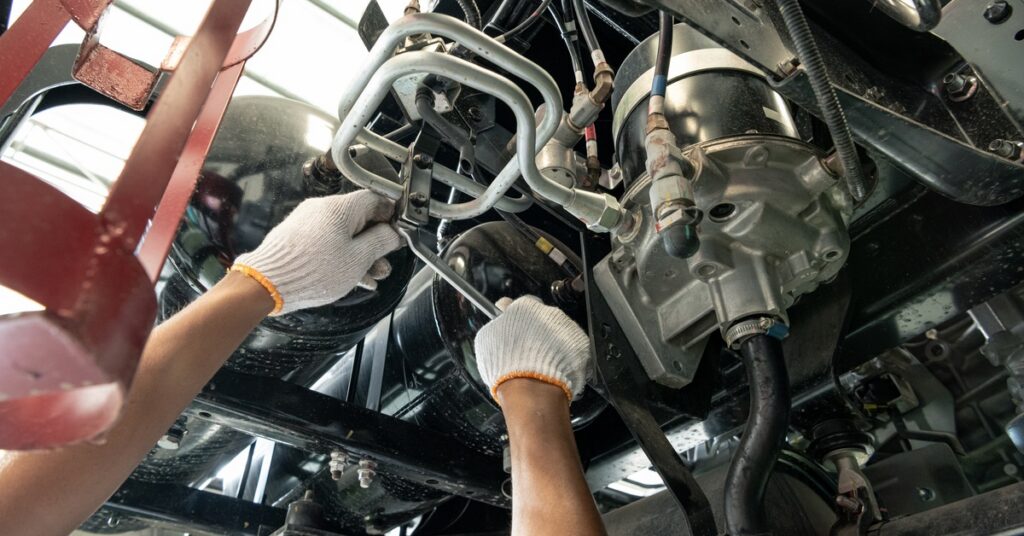
Brake trouble builds due to heat generation, contamination, wear, and missed service until stopping power drops at the worst time. Steep grades, wet headings, and abrasive surfaces can all cause problems. Haul trucks, loaders, and support units are all at risk of suffering from these common causes of heavy equipment brake failure. Luckily, good maintenance habits and high-quality parts will prevent these issues from happening.
Heat Buildup Damages Brake Parts
Repeated braking on declines, overloaded machines, dragging brakes, and poor operator habits increase temperatures. Sometimes, the system can’t handle excessive heat.
Once temperatures climb too far, friction material wears down, seals harden, fluid loses stability, and metal surfaces distort. That chain of damage reduces stopping response and turns a service issue into a safety risk.
Reduce Brake Use on Grades
Operators protect brakes when they rely on proper gear selection and controlled speed before descent begins. A machine that enters a grade too fast forces the brake system to absorb energy it shouldn’t carry alone.
Good operating habits cut heat at the source. Crews should train operators to plan descents, manage payload weight, and avoid riding the brakes.
Inspect for Heat Stress Early
Maintenance teams should look for the signs heat leaves behind. Glazed friction surfaces, blue discoloration on metal parts, a burnt odor, fluid breakdown, and hardened seals all point to thermal stress. When technicians inspect those warning signs during planned service instead of after a failure, they protect brake packs, housings, and nearby drivetrain components from extensive damage.

Contamination Weakens Braking Performance
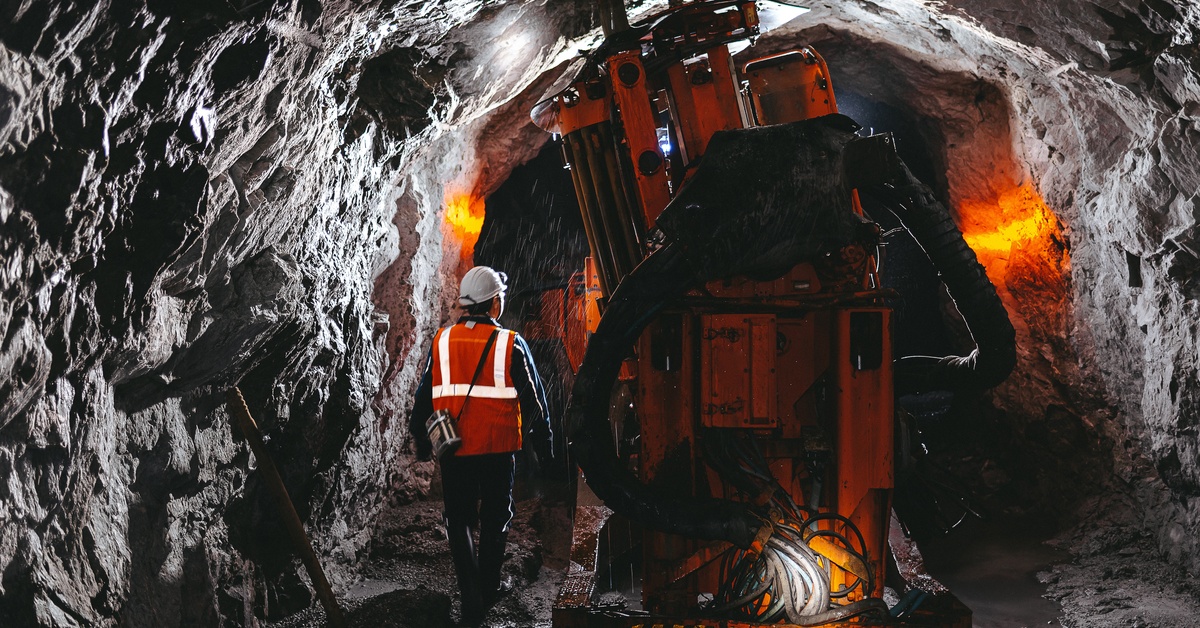
Underground equipment works in mud, water, rock fines, and slurry every day. Those conditions put seals, housings, and breathers under pressure. Once contaminants enter a brake assembly, they interfere with friction surfaces and accelerate wear through the entire system. Contaminated fluid and damaged internal parts diminish braking performance, making the system unpredictable and dangerous.
Protect Seals and Housings
Preventing contamination starts with sealing integrity. One weak point can expose the whole assembly.
A damaged seal lip, cracked housing surface, loose fitting, or blocked breather gives water and debris a path inside. Inspect seals, covers, fittings, lines, and breathers during every service interval. Prompt correction limits damage and stabilizes the brake environment.
Clean the Service Areas
Brake service demands a clean process. Dirt introduced during disassembly or reassembly can shorten brake life before the machine returns to work. Clean the surrounding surfaces and cap open lines. Additionally, follow the appropriate storage practices for new components and friction materials.
Worn Friction Material Weakens Control
Long stopping distances and inconsistent pedal response occur when friction materials wear down beyond their service limits. Operational temperatures increase, and the braking components suffer from substantial wearing. The system then enters a cycle of rising damage and declining performance.
Measure Wear Before Failure
Waiting for obvious symptoms wastes usable maintenance time. Technicians should measure wear at scheduled intervals based on operating hours, load conditions, terrain, and machine duty cycle. Consistent measurement gives the team a real picture of brake condition instead of guesswork. It helps planners replace worn parts before the machine starts slipping, grabbing, or overheating.
Replace Matching Components Together
Brake assemblies perform best when related wear parts work together as a set. Mixing new friction material with damaged mating surfaces or worn support hardware invites uneven contact and poor engagement.
During service, technicians should inspect discs, plates, springs, pistons, and hardware instead of focusing on one part alone. A complete repair restores balance and supports predictable braking.
Poor Fluid Care Harms Brake Systems
Many heavy equipment brake systems depend on clean, stable fluid to transmit force and protect internal components. Wrong fluid, old fluid, low fluid, and contaminated fluid each create serious problems. The brake system may respond slowly, run hot, corrode internally, or lose pressure under load. Underground operations cannot afford that kind of uncertainty.
Use the Correct Fluid
Crews should follow the equipment manufacturer’s fluid specification every time. One substitute product may seem close enough in the shop, yet fluid properties affect temperature control, seal life, corrosion resistance, and response under pressure. Choosing the specified fluid helps the system perform the way the machine designer intended.
Watch for Fluid Condition Changes
Fluid tells a story when technicians know what to check. Dark colors, a burning smell, moisture, and debris all signal trouble inside the system. Teams should treat those changes as diagnostic clues. A fluid check done at the right time can uncover seal failure, internal wear, and heat damage before braking performance drops.
Ignored Adjustments Cause Uneven Braking
Brake systems need correct adjustment to deliver a balanced force. When clearances drift or components wear unevenly, one side may carry too much work while another side lags behind. The imbalance raises heat, speeds wear, and affects machine control during stops and descents. In confined headings or on steep ramps, uneven braking puts both equipment and crew at risk.
Follow Adjustment Intervals Closely
Adjustment intervals exist for a reason. Heavy equipment works in punishing conditions, and those conditions push components out of spec faster than many operators expect. Shops should tie brake adjustments to the machine’s duty cycle instead of waiting for complaints from the field. Regular checks stabilize engagement and stopping response.
Train Operators To Report Changes
Operators usually notice brake changes before anyone else. A machine that pulls during braking, holds differently on grade, shudders during stops, or responds with a changing pedal feel deserves attention right away. Crews should report those changes early so maintenance can inspect the system before a small adjustment issue becomes a component failure.
Deferred Repairs Turn Small Issues Serious
A minor leak, a damaged line, a weak seal, or a rough engagement point may not stop production on the same shift. Yet underground equipment doesn’t give those problems room to stay small. Every hour of operation adds heat, contamination, and wear to the system. Deferred repairs push the brake assembly closer to a costly outage and raise the chance of secondary damage in nearby components.
Create a Fast Repair Response
Brake issues need prompt shop response and ready access to the right parts. Maintenance teams benefit from a plan that identifies likely failure points, tracks machine history, and schedules repairs. A disciplined process shortens the repair window and protects the equipment’s functionality.
Use Quality Replacement Components
Brake performance depends on fit, material quality, and compatibility with the equipment’s design. Hard rock underground miners need parts and service support built for severe duty, not guesswork at the parts counter. Original equipment manufacturer parts help crews return equipment to peak performance.
Choose Replacement Parts From Bull Powertrain
Preventing common causes of heavy equipment brake failure requires a disciplined approach. When crews control heat, monitor wear, and correct small issues quickly, they protect stopping power and reduce unplanned downtime.
For mines that need dependable brake support, Bull Powertrain offers repair expertise and access to trusted products, including Ausco powertrain components, for demanding off-highway applications. Contact Bull Powertrain to discuss brake service needs, replacement parts, and the right support for your underground fleet.