
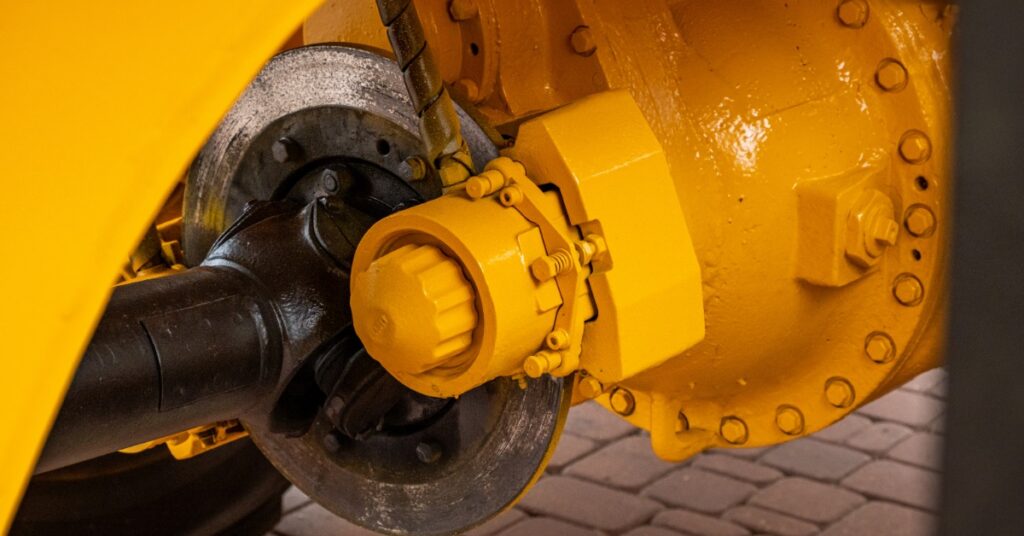
A loaded underground machine struggles to haul extremely heavy loads evenly across every wheel end. Payload location, travel direction, grades, and braking forces continually shift the vertical load on each tire. These shifts influence traction and the braking assemblies’ performance during every stop. Identifying how load distribution affects heavy machinery brakes helps mining teams address heat patterns and friction wear before the entire braking system malfunctions.
Uneven Axle Loads Change Brake Demand
Before the operator touches the brake pedal, the machine divides its weight between the axles. Engine placement, attachments, payload position, and chassis layout influence static distribution. An axle carrying a large share of machine weight places substantial vertical force through the tires, giving those contact areas ample traction potential under the same surface conditions.
However, braking torque comes from the brake system itself. Load distribution affects how effectively each tire transfers that force to the ground. If a lightly loaded axle receives excessive braking force for the available tire grip, its tires approach a skid sooner than tires on an axle transporting greater vertical load. Underground loaders and haul machines move through repeated loaded and unloaded cycles, so the brake system must operate across a changing range of axle demands.
Deceleration Increases Front Axle Loading
Once a machine begins slowing, inertia shifts part of the effective load toward the front axle. The amount of transfer depends on machine mass, deceleration rate, center-of-mass height, and axle spacing. A hard stop therefore changes front-to-rear loading more sharply than a gradual reduction in speed.
Extra vertical force at the front tires increases the traction available at that end of the machine. Front brake assemblies often handle a substantial share of braking work under these conditions. Repeated production cycles turn that short-term shift into recurring thermal stress. Each stop converts kinetic energy into heat through the friction surfaces. Therefore, frequent front-biased braking may produce temperature or wear differences between front and rear brake locations.
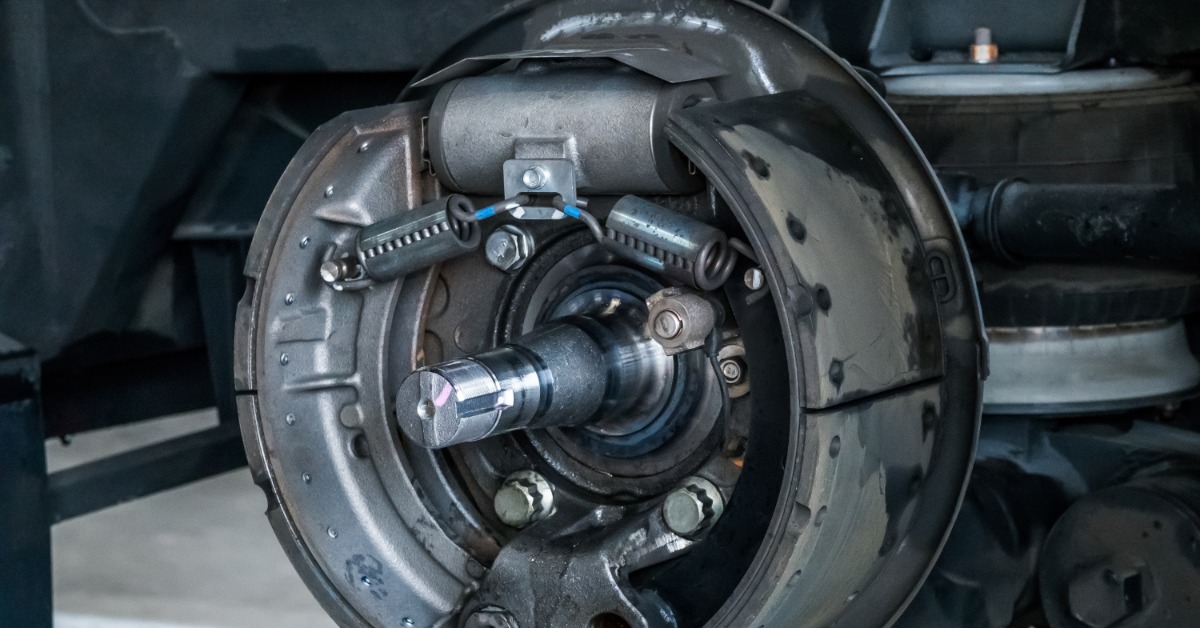
Rear Payload Bias Changes Traction
Payload placement moves a substantial portion of static machine weight toward the rear axle. The additional vertical force alters rear-tire traction before decelerating. The rear axle may enter a braking event under a very different load than it carries during an empty return.
Next, deceleration transfers a portion of the load toward the front. The rear axle loses vertical force as the machine slows, so available traction changes during the stop itself. Brake force that works effectively at the beginning of a stop could approach the traction limit as rear loading falls. The brake system therefore has to function through loaded travel, empty travel, and changing axle balance without relying on one fixed weight condition.
Grades Redistribute Axle Loading
Underground ramps change how machine weight acts through the axles before braking begins. On a grade, gravity shifts the normal load toward the downhill end of the machine. The exact distribution depends on machine layout and slope angle, but the result differs from the front-to-rear balance found on level ground.
Braking adds dynamic load transfer to that existing imbalance. During downhill deceleration, the machine must shed kinetic energy as gravity pulls it along the ramp. A loaded machine generates substantial energy into that event, so its brakes face changing axle loads and demanding thermal conditions. Repeated travel over the same underground routes may concentrate heat and wear at various brake locations.
Turning Shifts Load Between Wheel Ends
Steering introduces side-to-side load transfer because cornering shifts vertical force toward the outside tires. If the operator brakes during a turn, each tire must manage lateral cornering force and longitudinal braking force simultaneously. Available traction at one wheel end therefore differs from traction at the opposite side.
Outside tires commonly haul significant vertical load during the turn, while the inside tires carry a minimal amount. Even when the brake system applies similar hydraulic input across an axle, the ground reaction at each tire isn’t identical.
Articulated underground equipment introduces another variable. The front and rear frames change their relationship as the machine steers. As a result, repeated braking while turning could produce unusual wear patterns.
Load Placement Concentrates Brake Heat
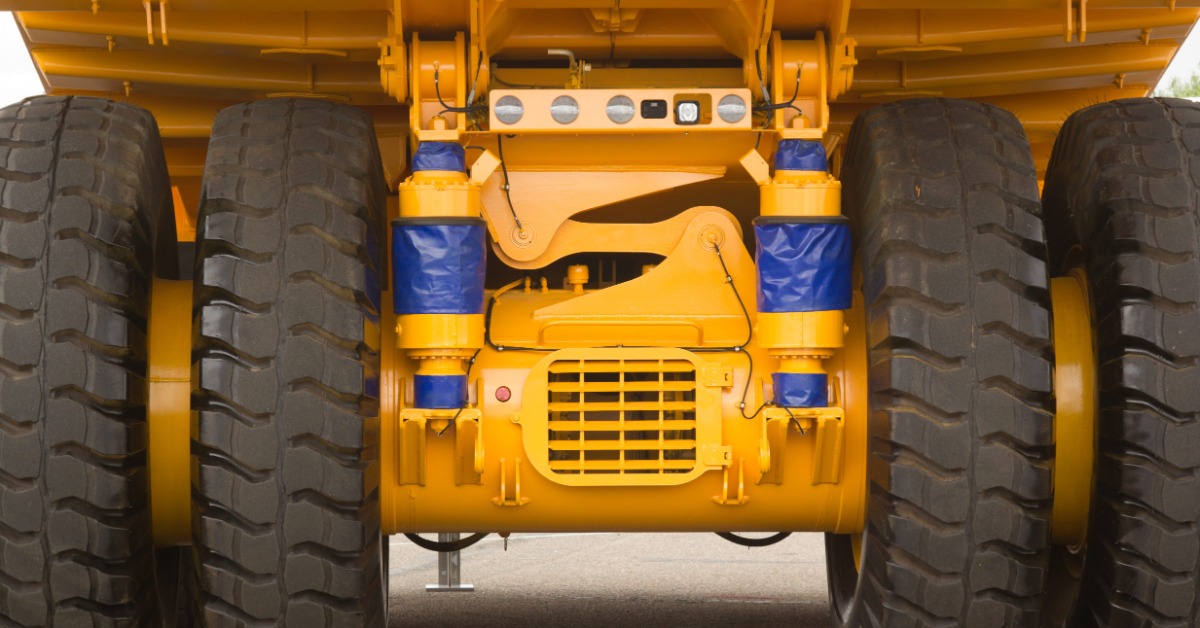
Machine mass determines the kinetic energy that the braking system must remove at a given speed. Load placement influences where much of that work occurs because axle weight affects available traction and braking contribution. When one axle repeatedly carries a high share of the braking demand, its friction components repeatedly absorb a high share of the heat.
Multidisc brakes convert motion into thermal energy across several friction interfaces. Wet designs use fluid inside the assembly to manage lubrication and heat according to the manufacturer’s specifications. If temperatures move outside the intended range, heat can degrade lubricant, harden seals, alter friction behavior, and accelerate wear on internal surfaces. Therefore, a recurring temperature difference between brake locations may point technicians toward an operating load pattern as one part of the diagnosis.
Repeated Load Bias Accelerates Wear
Brake wear reflects accumulated work, not one isolated stop. If one axle repeatedly carries a high portion of braking demand, its friction components complete a larger share of the energy conversion across the machine’s operating cycle. Heavy payloads and frequent deceleration intensify that demand.
Friction discs, separator plates, seals, and related components respond to heat and mechanical load according to their design limits. A consistent axle bias may produce a wear pattern that differs from components working under a light-duty cycle.
Uneven wear doesn’t prove that load distribution caused the problem. Potential causes include contamination, hydraulic faults, and tire differences. A useful evaluation connects physical wear with machine loading, route conditions, and service history.
Load Patterns Guide Brake Evaluation
Service decisions become more meaningful when technicians connect brake condition to the machine’s routine operations. Understanding how load distribution affects heavy machinery brakes gives maintenance teams useful context for interpreting damage. An assembly on an axle that repeatedly demands substantial braking experiences a different duty profile from an assembly that handles a light share of each stop.
Bull Powertrain supplies parts, including Ausco brakes, and services off-highway braking components for underground mining applications. Contact our technicians to find compatible replacement components or repair complex damage to the braking system.