
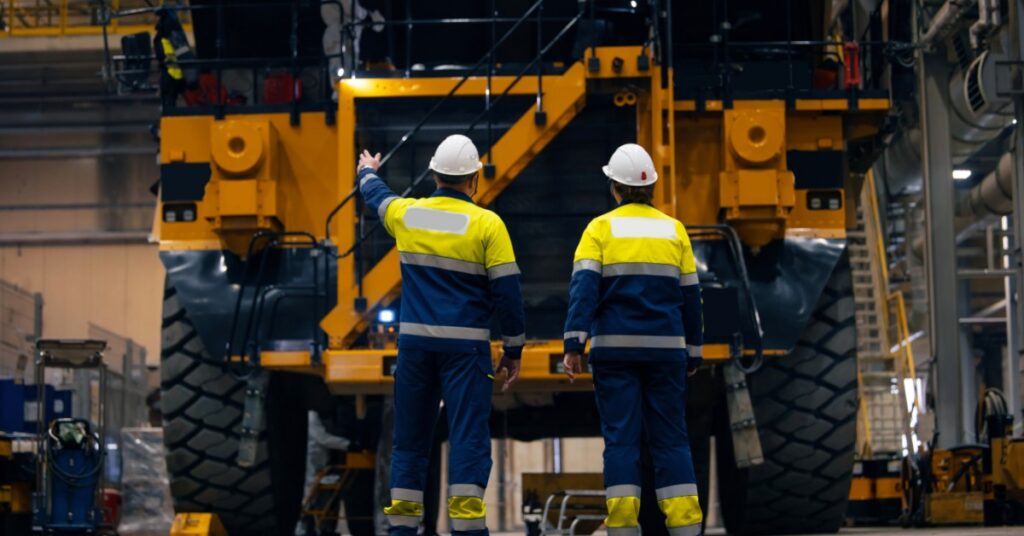
Hard rock mining equipment works through long shifts where torque and heat challenge every moving part. Operators notice rugged movements and extreme vibration during climbs.
Modern driveline design improves mining equipment by establishing predictable power transfer. Find out how each design choice supports a specific job inside the driveline.
High-Strength Steel Handles Shock Loads
Operators rely on steady power delivery during heavy breakout forces. Once a shaft or yoke begins to deform, vibration moves through the driveline and accelerates wear.
High-strength steel is the solution. Modern designs match steel strength to the equipment’s work. The material gives driveline components the toughness they need under repeated torque spikes.
Heat-Treated Components Resist Wear
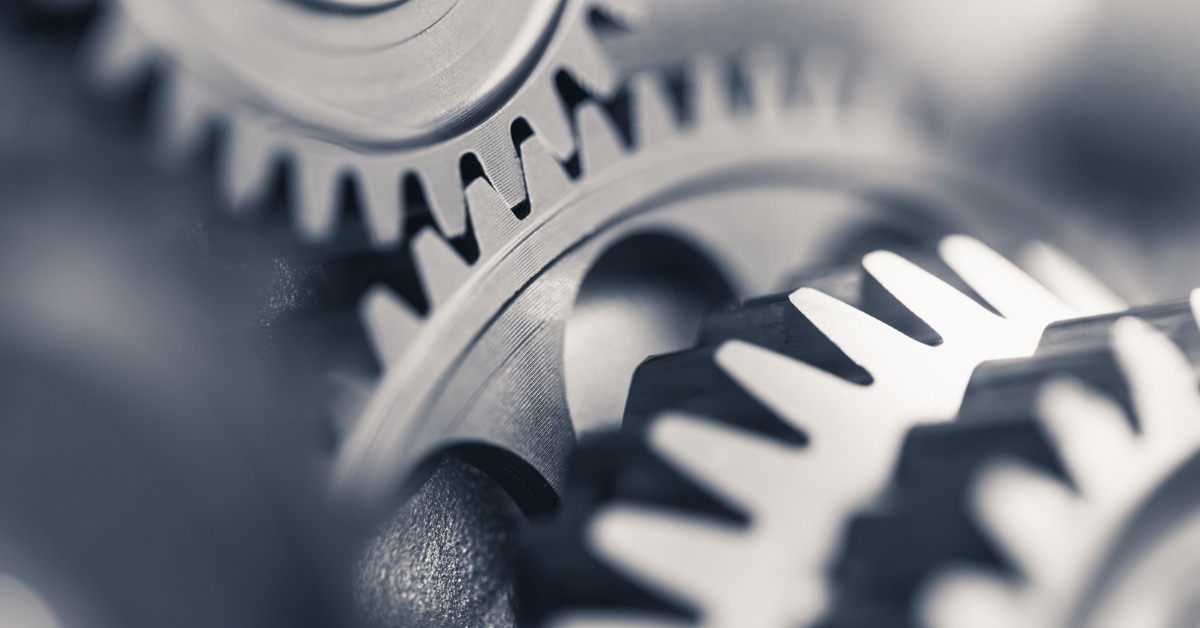
Splines and yokes face repeated contact under load. Poor surface strength encourages damage that hinders how the parts engage. With uneven engagement, excessive vibration spreads throughout the driveline.
Heat treatment improves a surface’s hardness while preserving the core strength driveline parts rely on during impact. In mining equipment, this balance helps parts resist wear without becoming brittle.
Heat-treated components extend service life because the contact surfaces hold their geometry through repeated cycles. By developing a consistent wear pattern, technicians know that the driveline transfers power as intended.
Precision Splines Improve Torque Transfer
Machines flex under load, frames twist across uneven ground, and driveline angles change through the work cycle. Splines are essential components that connect rotating components and permit controlled movement along the shaft.
Precision spline design improves torque transfer by reducing looseness between mating parts. Excess clearance produces clunking sounds and vibrates the spline teeth. A tight fit aligns the rotational force through the connection.
Modern spline geometry supports movement without sacrificing engagement. Lubrication channels and accurate tooth profiles keep contact stable during operation. Those details reduce friction in the connection while helping the driveline respond efficiently under changing load.
Balanced Shafts Reduce Harmful Vibration
When there’s an imbalance, vibration escalates as speed increases. Vibration strains numerous driveline components and heightens the risk of damage. Bearings and seals all react to vibration through the driveline. Over time, that stress can shorten service life and make inspections harder to interpret.
A driveshaft must rotate smoothly at operating speed. Balanced shafts protect surrounding parts from repeated stress. Modern shaft balancing removes uneven weight distribution before the part goes into service. The result supports smooth rotation through a demanding operating range. Maintenance teams benefit from this advancement because it gives them a clearer baseline than a driveline with a hidden imbalance.
Sealed Joints Block Abrasive Contamination
Contamination poses a constant threat in underground mining environments. Fine, abrasive material moves into joint areas and mixes with the lubricant. Once that happens, the lubricant can no longer protect metal surfaces thoroughly.
Sealed joints improve driveline performance by protecting the moving contact points inside the assembly. A good seal holds grease in place and blocks abrasive material from reaching the joint. As a result, the joint sustains smooth motion through articulation and load changes.
Many modern designs use a tight sealing lip that presses against the mating surface as the joint rotates. Other designs use multiple sealing edges to create added barriers against grit and moisture. No matter the arrangement, these reinforced seals hold up as angles shift and torque moves through the driveline.
Improved Lubrication Protects Contact Surfaces
Lubrication separates metal surfaces during rotation and movement. Without the right lubricant film, heat builds quickly across the contact area. Underground mining equipment adds pressure because the driveline parts work under heavy load.
Modern driveline lubricants use formulas designed to resist thinning under heat. Additive packages help the lubricant cling to splines and joint surfaces during torque changes. This steady film protection reduces direct metal contact during demanding movement.
Advanced lubrication reduces heat and binding. It also supports inspection routines because technicians can spot dry areas before severe damage develops. A driveline that accepts and holds lubricant properly gives crews a practical way to protect parts between major service events.
Flexible Couplings Absorb Alignment Changes
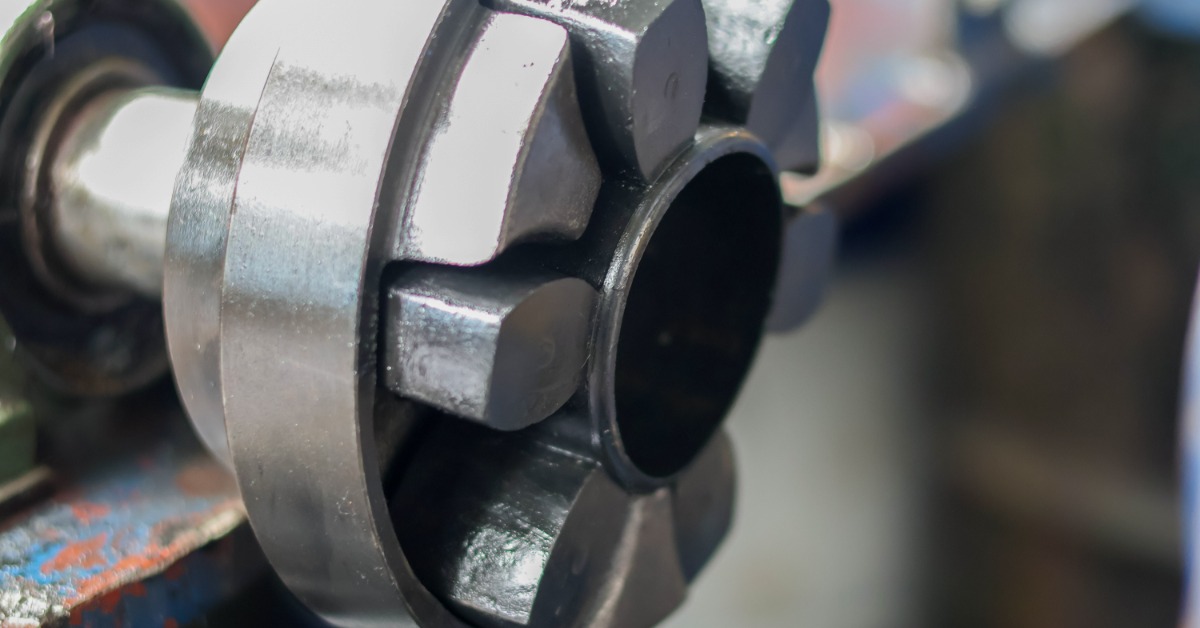
Mining machines don’t operate on perfectly level ground. Frames move under extreme loads, and suspension points shift according to the terrain. A rigid connection would transfer alignment stress directly into shafts and bearings. The presence of flexible couplings prevents these issues.
Flexible couplings absorb small alignment differences between connected components. The driveline has room to move while carrying the torque, and the controlled movement diminishes stress at the connection points.
Modern coupling materials and geometry support a stable balance between flexibility and strength. Too much movement causes instability, while too little movement accelerates wear. Proper coupling design stabilizes power transfer through changing conditions.
Modular Assemblies Simplify Service Work
Modular driveline assemblies use separate sections that connect through defined mounting points. A shaft section, joint assembly, coupling, or yoke sits within the driveline as its own serviceable unit.
The driveline has an organized structure with this design. Instead of treating the full driveline as one large connected system, modular construction separates the parts by function in the power transfer process.
Technicians benefit because they can inspect or replace one section without disturbing the entire driveline. Crews evaluate shafts and joints in organized stages, helping teams decide whether a part needs repairing or replacing before a one issue worsens.
Monitoring Systems Guide Maintenance Timing
Monitoring technology gives maintenance teams another way to understand driveline behavior. Sensors track vibration and temperature during use, giving crews the insight they need to spot developing issues before the machine declines.
A temperature change might point toward poor lubrication. A vibration trend could suggest an imbalance. These signals don’t replace hands-on inspection, but they guide technicians toward the general area.
Instead of waiting for a breakdown, teams can plan inspections around the data collected about the machine’s behavior. This approach supports uptime and decreases the chance of sudden driveline-related delays.
Strong Driveline Design Supports Production
Mining equipment depends on controlled power transfer. With the presence of modern component designs throughout the driveline, crews will improve their mining equipment with ease.
Bull Powertrain supports hard rock underground mining teams with our high-quality OEM components. We help crews design custom drivelines that include modern features and increase the equipment’s reliability. Contact Bull Powertrain to learn about how we can improve your mining equipment’s functionality.