

In industries like mining and construction, every element of the fleet’s powertrain must endure extreme torque, loads, and environmental hazards. Driveshaft U-joints are vital to this process. They transfer power between components, but they endure constant threats.
Intense working conditions, contamination, vibration, and misalignment can cause premature U-joint wear. The last thing you want is to handle equipment failures, unsafe situations, and extended operational stoppages.
Understanding the key factors that cause U-joint failure will guide you in taking strategic steps to extend service life. Follow these tips to prevent premature wear and keep the machinery’s driveshaft U-joints functional.
The Critical Role of Proper Lubrication
Consistent and correct lubrication is essential to U-joint longevity. In industrial environments, U-joints handle immense loads and friction, so quality grease forms the barrier that keeps needle bearings and cross components from grinding down.
Establish a Rigorous Greasing Schedule
For industrial machinery, randomized lubrication won’t suffice. Set up and document strict lubrication intervals, based either on machine hours or schedules outlined by the original equipment manufacturer (OEM). In settings with heavy dust, water, or abrasive debris—like open-pit mining or aggregate plants—increase greasing frequency to counteract contamination and wear.
Use the Right Type of Grease
Selecting the correct grease for your operating environment is crucial. Industrial U-joints typically require a high-performance lithium-based grease with extreme pressure (EP) additives. Always refer to OEM recommendations. Using improper lube can shorten component life, so it’s best not to take shortcuts here.
Ensure a Proper Purge
When lubricating, add grease until you see clean grease exiting from all bearing cap seals. This confirms you’ve flushed out contaminants, which, if left inside, can quickly destroy an industrial U-joint. If you don’t see grease at every seal, check for blockages or misalignment and address them immediately.
The Impact of Driveline Angles and Phasing
Lubrication alone won’t prevent U-joint issues if the driveshaft’s operating geometry is incorrect. In industrial trucks, haulers, or mills, incorrect shaft angles due to frame modifications, uneven loading, or field repairs can cause rapid joint failure.
Understanding Operating Angles
The angle between the output shaft, driveshaft, and driven machinery must be within recommended tolerances. Even minor misalignment from improper setup, worn mounts, or bent frames will accelerate joint fatigue.
For heavy machinery and off-highway vehicles, routinely check and document these angles. This is especially important after any major repairs, upgrades, or incidents.
The Importance of Phasing
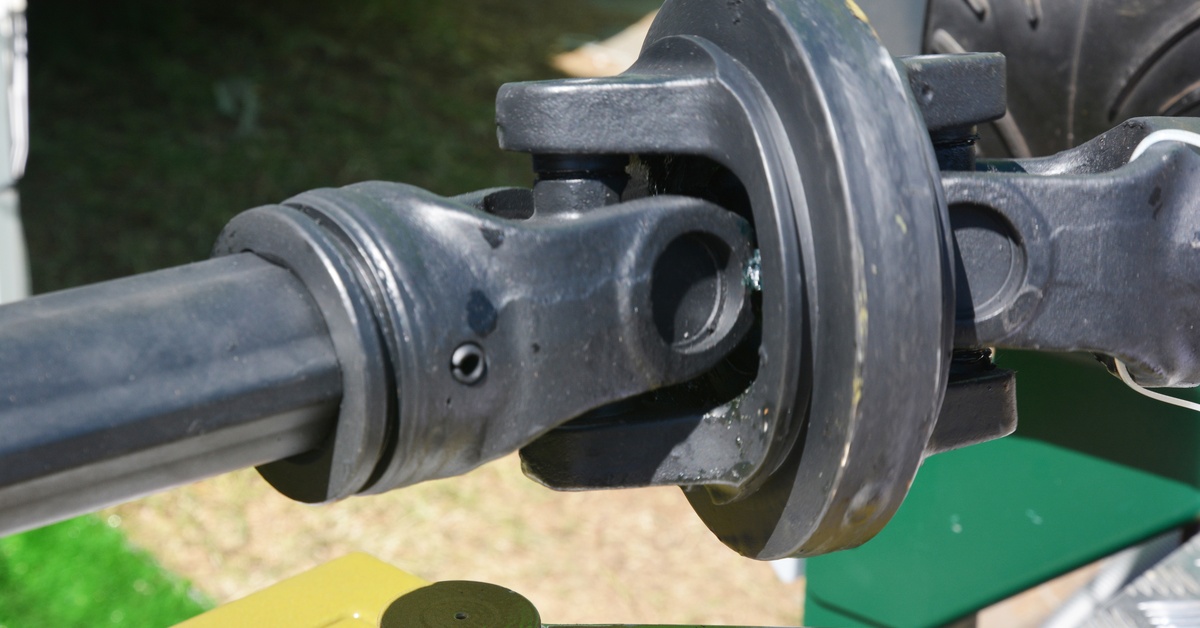
A yoke is a component of a driveline assembly that connects the driveshaft to other parts, such as the universal joint or machinery. It transmits torque while allowing for limited movement to accommodate misalignments.
Always align yokes so their positions are precisely in phase. Out-of-phase assembly, often resulting from rushed field maintenance, creates destructive vibrations that shorten U-joint and bearing life. Mark yoke orientation before disassembly, and closely inspect after replacement, particularly in continuous-duty industrial setups where vibration travels through large equipment assemblies.
Proper Installation and Handling Procedures
Improper installation is a common cause of premature U-joint failure in industrial applications like mining. You must treat and install these precision-machined components with meticulous attention to detail.
Avoid the Hammer
Never strike U-joints, yokes, or their caps during installation or removal. Any impact can distort the bearing caps or cause hidden damage to needle bearings, introducing weak points that fail under load. Use only hydraulic presses or specialized installation tools to apply controlled, steady pressure.
Prioritize Cleanliness
Industrial environments are especially prone to grinding paste. Even small amounts left behind can cause immediate problems.
Before installing new U-joints, thoroughly clean the driveshaft yokes. Remove all evidence of debris, rust, and old lubricants.
Use a wire brush or emery cloth to remove rust and debris from the yokes. Then, apply a solvent, such as brake cleaner, to eliminate any residual grease or contaminants.
Handle the Components With Care
Risking a critical failure in an industrial operation simply isn’t worth the small savings. Never drop a U-joint or bearing cap; even a minor impact can unseat needle bearings. If you suspect any damage during handling, use a fresh component.
The Significance of Driveline Balance
Industrial driveshafts spin at high speeds, magnifying even slight imbalances into destructive forces on U-joints and related components. When a shaft undergoes repairs or encounters debris, you must rebalance the complete assembly before integrating the equipment back in service.
Our team at Bull Powertrain uses specialized balancing equipment to confirm every driveshaft meets strict tolerances. The machinery will run smoothly, and U-joints will last longer with our assistance.
Combat Balance Issues With Routine Inspections
Routine visual and mechanical inspections help catch early signs of imbalance, such as unusual vibration, noise, or uneven wear on supporting components. In industrial operations, heavy loads and rough conditions can quickly throw a shaft out of balance if weights are lost, metal is damaged, or material buildup occurs. By incorporating driveline balance checks into your preventative maintenance schedule, you minimize unplanned downtime and extend U-joint service life.
The Role of Professional Balancing Services
While onsite checks identify obvious problems, achieving true driveline balance requires professional tools and expertise. A qualified service provider uses high-precision balancing machines to measure and correct weight distribution along the entire shaft assembly.
Bull Powertrain’s technicians analyze, adjust, and verify balance to tighter tolerances than typical field repairs, eliminating subtle causes of vibration that accelerate U-joint wear on your industrial equipment.
When a Custom Driveline Is the Solution
If U-joint failures persist despite following best practices, your equipment’s standard driveline may no longer suit demanding onsite conditions. In mines, quarries, and mills, it might be time to upgrade your machinery by changing torque, load, and alignment requirements.
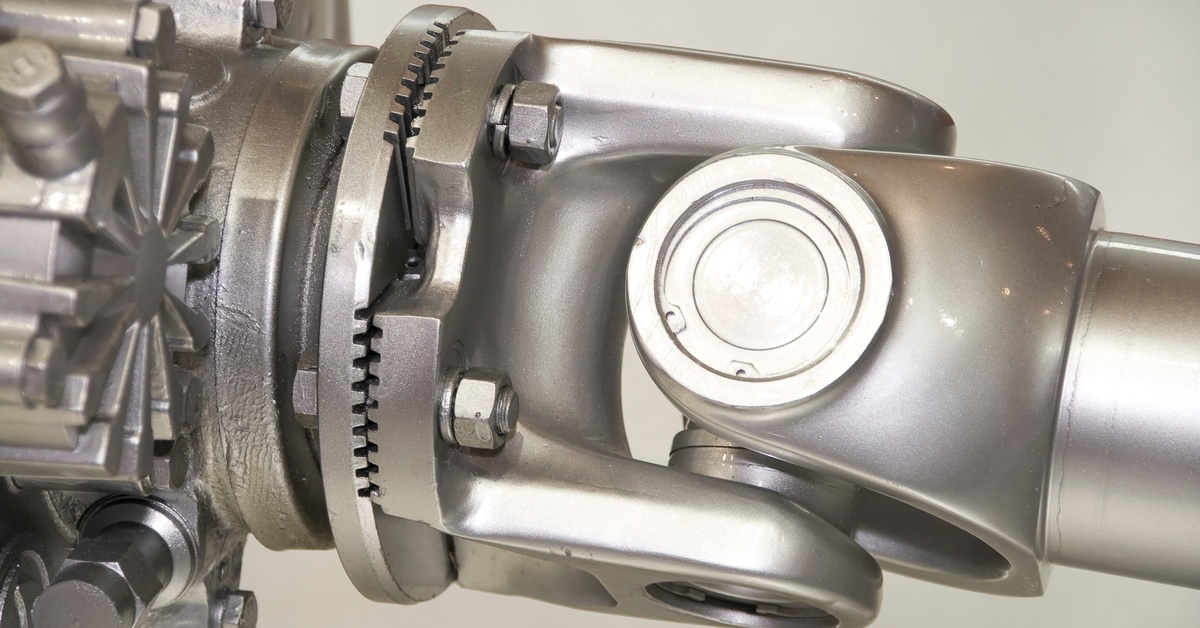
A custom driveline provides superior reliability and longevity. Bull Powertrain designs and fabricates industrial-grade drivelines with oversized U-joints, thicker tubes, optimized geometry, and protective coatings for the harshest sites, delivering performance that standard parts can’t match.
Your Partner in Industrial Powertrain Reliability
Protecting driveshafts from premature U-joint wear requires more than just basic maintenance. Specialized expertise, strict procedures, and components tailored for industrial realities will improve your equipment’s operations.
At Bull Powertrain, we provide advanced diagnostics, professional balancing, expert installation, and custom driveline solutions specifically for the industries we serve. If persistent U-joint failures threaten your uptime or safety, reach out to our team for an industrial-grade solution. We’ll help you protect your investment, boost your throughput, and ensure your equipment withstands everything your industry can throw at it.