
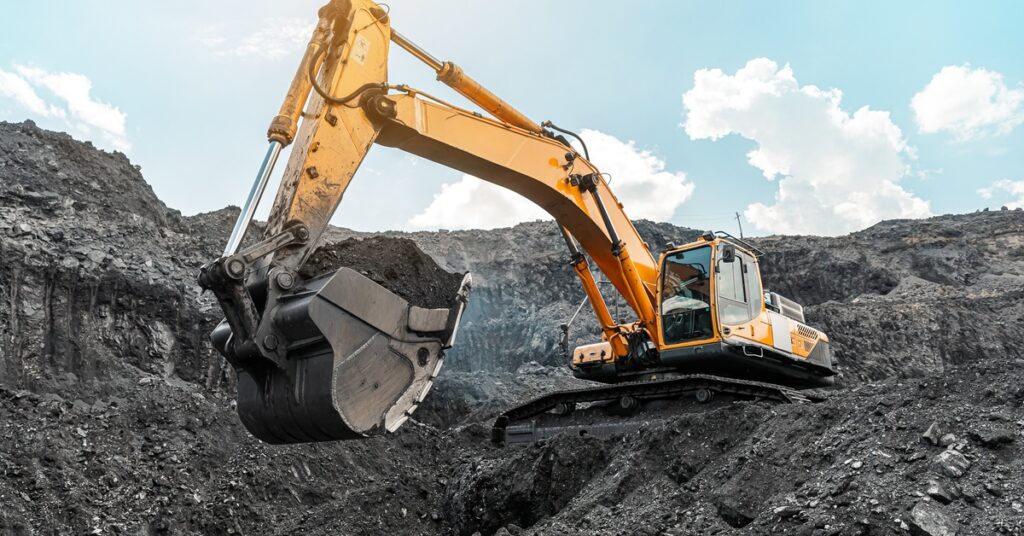
Underground mining environments demand machinery that operates reliably under conditions far more severe than typical surface construction sites. While a wheel loader on a construction site shares visual similarities with an underground scoop tram, the engineering beneath the steel panels differs to handle the environment’s stressors. Understanding the nuances of powertrain design in mining vehicles and construction equipment helps fleet managers select components that withstand the grueling reality of hard rock mining.
The Operational Environment Defines the Design
To understand the engineering differences, you must first look at where these machines live. Construction equipment typically operates on surface sites with ample airflow, variable but generally manageable grades, and abrasive but looser materials. These machines cycle through tasks that often allow for intermittent cooling periods.
In contrast, underground mining vehicles operate in confined spaces with limited ventilation, high ambient temperatures, and humidity. They traverse steep ramps while carrying full payloads. The rock they handle is denser, sharper, and heavier than standard construction aggregate. Consequently, engineers must specify powertrain components for mining applications that prioritize thermal management, extreme torque requirements, and compact profiles over high-speed travel or fuel economy standards used in surface construction.

Cooling Specifications
Construction machines typically use large, front-mounted radiators. They leverage natural airflow during transit to regulate engine temperatures.
On the other hand, mining equipment operates in confined, poorly ventilated underground spaces where heat rejection is far more difficult. To manage this, these machines utilize comprehensive thermal management systems, including liquid-cooled brakes and transmission coolers. Because of the low-profile requirements of drift tunnels, the equipment commonly features side-mounted radiators. These systems are specifically engineered to remain efficient during slow, high-torque operations on steep grades.
Transmission Gearing and Shift Logic
Transmission design separates the two categories distinctly. Construction transmissions for off-highway use include gearing ratios that maximize torque and travel speed.
Mining transmissions prioritize torque multiplication at low speeds above all else. The shift logic in a mining-spec powertrain holds lower gears longer to manage the immense load of hauling ore up a spiral ramp. Engineers design these transmissions with deeper first and second gear ratios. This design choice minimizes converter slippage, which in turn reduces heat buildup—the enemy of underground reliability. Furthermore, the transmission control units often feature aggressive downshift inhibition to prevent operators from over-speeding the engine on steep declines.
Axle and Differential Durability
When comparing axles, the difference in material density becomes the deciding factor. Construction aggregate weighs much less than hard rock ore. A standard construction axle placed under LHD (load, haul, dump) equipment would fail under the static load alone, let alone the dynamic loads of loading and tramming.
Mining axles feature large planetary gears at the wheel hubs to minimize stress on the axle shafts. The torque at the wheels multiplies. The housings use high-tensile cast steel rather than the lighter alloys or stamped steel sometimes found in lighter construction utility vehicles.
Additionally, mining axles almost exclusively use fully enclosed wet disc brakes. The design protects the braking surfaces from the abrasive rock dust and acidic mine water that would destroy the exposed dry caliper brakes on construction trucks.
Torque Converters and Stall Ratios
The torque converter serves as the fluid coupling between the engine and transmission. A loose converter in construction equipment might allow prompt engine response and enhanced hydraulic performance for boom functions.
For underground loaders and haul trucks, the powertrain design utilizes a tight torque converter with a low stall ratio. This specification ensures that more engine power transfers directly to the wheels for tractive effort rather than being lost as heat in the hydraulic fluid. When LHD equipment digs into a muck pile, the powertrain needs to transfer maximum torque without stalling the engine or overheating the transmission fluid. A construction-spec converter in this scenario would generate excessive heat, leading to rapid seal degradation and component failure.

Driveline Components and Universal Joints
The driveline connects the transmission to the axles, and in mining, this link faces extreme torsional shock. When a loader hits a rock face, the shock load transmits backward through the wheels, axle, and into the driveshaft.
Mining drivelines use larger universal joints (U-joints) compared to their construction counterparts. It’s common to see wing-style bearing caps rather than the strap-style retainers common on lighter equipment. The wing-style caps are secure and resist the shearing forces generated by high-torque reversals. The driveshaft tubes themselves have thick walls to prevent denting from flying rocks.
Hydraulic System Integration
While technically part of the hydraulic system, the integration of hydraulics with the powertrain affects overall performance. Construction equipment often uses load-sensing hydraulics to save fuel. The engine revolutions per minute drop when hydraulic demand is low.
Integration mining powertrains focuses on maintaining system pressure for safety-critical functions like steering and braking, even at idle. The vehicles employ hydraulically charged brake actuation systems near the powertrain, but the components are separate from the hydraulics. This separation ensures that if a main hydraulic hose bursts during loading, the operator retains full braking and steering capability.
Maintenance Intervals
Design engineers know that maintenance underground is difficult. A breakdown at the face disrupts the entire production cycle. Therefore, mining powertrain components handle extended service intervals compared to construction equipment. The large filters handle high particulate loads, and increased sump capacities for oil provide enhanced thermal stability and dilution handling.
Component Accessibility
On a surface excavator, mechanics can open large panels, but space is at a premium on a low-profile mining truck. Designers might remote-mount maintenance points—like filter heads or fluid fills—to a centralized service center at ground level. Mechanics are able to perform rapid maintenance without climbing over slippery machines.
Find Heavy-Duty Components at Bull Powertrain
The physical resemblance between a surface loader and an underground loader masks a world of engineering differences. From the axles’ composition to the transmission’s arrangement, every aspect of mining vehicles’ and construction equipment’s powertrain design reflects the demands of their environments.
When you need robust components that meet these exacting standards, Bull Powertrain has Kessler parts ready to support your operation. As a specialist in off-highway heavy-duty applications, we supply new components designed specifically for the rigors of the mining industry. Contact us today to find out how our off-highway parts can keep your production moving.