
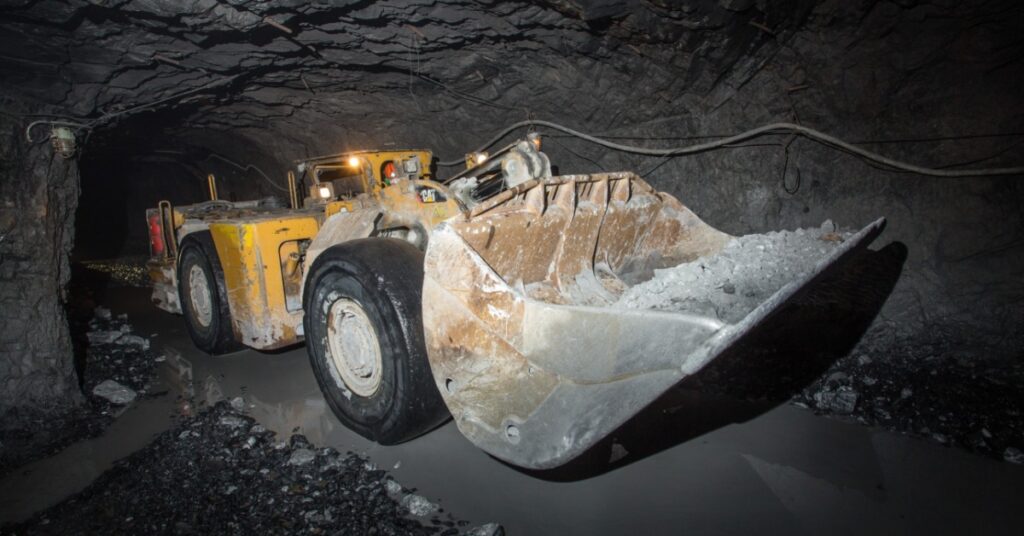
Mining machinery may start out by producing delayed responses. Whether the root cause is excessive vibrations or degrading oil conditions, the drivetrain is under immense strain. Optimizing the drivetrain for heavy loads comes down to upgrading components and conducting routine maintenance, so every haul and push is seamless.
Match Components to Load Demand
A drivetrain built for light duty will struggle once payloads rise or duty cycles stretch. Before changing parts, review the equipment’s operating load rating. Grade, cycle length, operator habits, and attachment weight all change how torque moves through the driveline.
Focus first on components that carry the highest shock loads. Driveshafts, yokes, slip assemblies, universal joints, torque converters, transmissions, axles, and differentials must work as a system. Weak points downstream still flex, bind, or overheat under the same load.
Upgrade Driveshafts for Torque Control
Heavy loads degrade driveshafts as the equipment vibrates and angles shift. A shaft with poor balance or inadequate torque capacity transfers stress into U-joints and bearings.
Start with the shaft tube and slip section. The tube needs to resist torsional deflection, while the slip must move freely as the frame and suspension articulate. A dry or worn slip joint may bind during movement, then suddenly release force into the rest of the drivetrain.
Dynamic balancing is essential after repair or replacement. The shaft rotates, so technicians can find heavy spots that cause vibration. Small correction weights restore balance and reduce repeated shock.
Keep U-Joints Moving Correctly
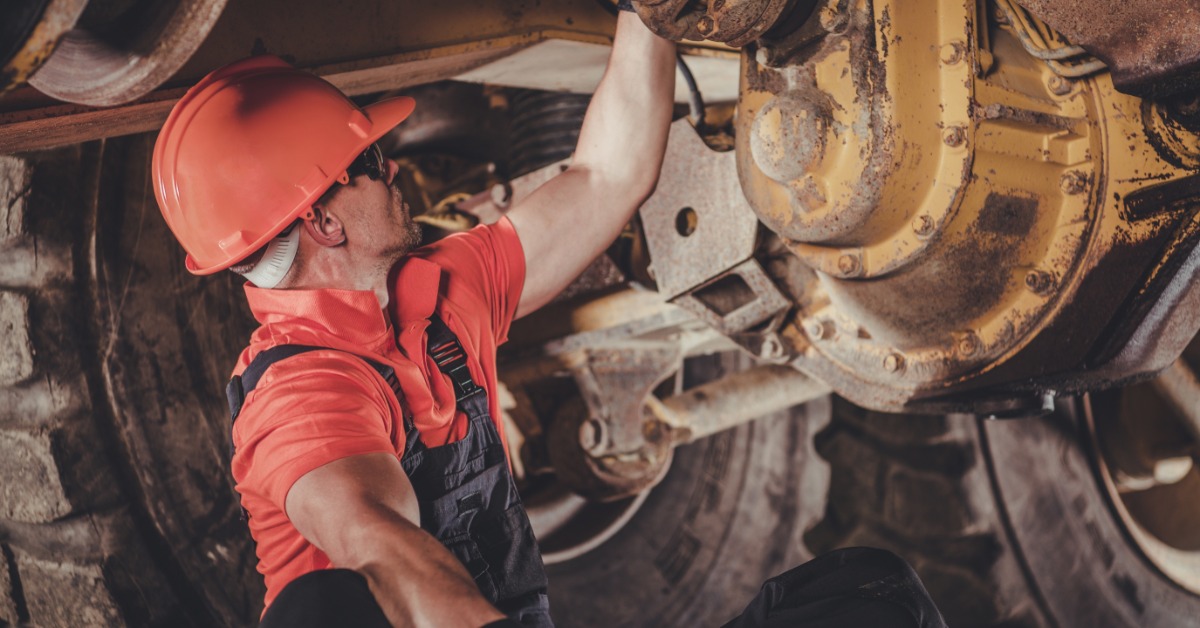
U-joints sit at key movement points where the driveline changes angle. Under heavy load, poor lubrication or excess operating angle turns that movement point into a failure point.
Inspect caps, seals, cross wear, and joint play during servicing. Grease should reach every bearing cap, not just the easiest path inside the joint. A dry cap will heat up and wear unevenly.
Operating angle deserves close review after drivetrain work or frame service. A small alignment change increases vibration under load. Correct angles help the joint roll through its motion instead of hammering against the bearing surfaces.
Service Torque Converters by Condition
A torque converter absorbs load spikes and helps equipment launch under resistance. Heavy-duty cycles generate heat inside the converter because fluid shear turns torque transfer into thermal energy. Excess heat breaks down oil, hardens seals, and weakens internal parts.
Condition-based service works best here. Track stall behavior, oil temperature, shift response, and contamination trends. A machine that loses pulling response or shows rising oil temperature may have converter wear, charge pressure issues, or internal leakage.
Don’t wait until the converter fails completely. Rebuilding a worn unit before it damages the transmission helps protect clutch packs and bearings. OEM-quality rebuilds restore clearances, renew seals, and return the converter to the torque characteristics the machine relies on underground.
Use Oil To Protect the Transmission
Transmission oil tells a detailed story. Signs ranging from burnt smells to metal debris indicate friction material wear or heat damage. Heavy loads accelerate those changes, so fixed intervals alone don’t give enough protection.
The wrong oil may change clutch engagement, reduce film strength, or increase heat. Use the lubricant grade specified for the unit and working conditions.
Improve Cooling Around Loaded Components
Heavy-duty work produces heat rapidly during slow, high-torque cycles. That’s why heat control is an essential part of drivetrain upgrades.
Excess transmission heat may affect seals, bearings, wiring, or nearby hydraulic components. Treat heat as a system issue rather than a single gauge reading.
Additionally, a strong shaft or rebuilt converter won’t reach full life if airflow, oil flow, or coolant flow falls short. Clean coolers and guards so fines don’t restrict airflow. Check the lines for soft spots, internal collapse, or damaged fittings.
Align the Driveline After Repairs
Driveline alignment changes after mount replacement, frame repair, axle service, or transmission work. A small shift may look harmless during assembly, but heavy loads magnify misalignment. Premature U-joint wear and seal failure are common consequences.
Check mounting surfaces before tightening components. Dirt, burrs, or worn brackets can hold a part slightly out of position.
Recheck alignment after the machine returns to work. Fresh mounts may settle under torque. Repaired parts may move once the drivetrain sees full load again. A follow-up inspection helps catch movement before it damages the driveline.

Replace Worn Mounts and Supports
Mounts, carrier bearings, and support brackets control drivetrain position. Once those parts soften or crack, the driveline moves under torque instead of holding steady. That movement changes angles and sends vibration through connected components.
Look for torn rubber, shiny contact marks, loose fasteners, or moving brackets. Those signs show that torque has shifted loads into places the design didn’t intend. Replacing a failed support without checking adjacent mounts may leave the same force pattern in place.
Use support components suited to the duty cycle. Underground equipment endures repeated shocks. Durable supports help shafts and joints work through their intended range instead of chasing movement caused by weak mounting points.
Rebuild Before Failure Spreads
A drivetrain rarely fails in isolation. Loose universal joints damage yokes, worn converters overheat transmission oil, and misaligned shafts overload the bearings. Waiting for total failure turns one repair into a chain of repairs.
Set rebuild thresholds based on oil analysis, temperature trends, and vibration readings. Those records reveal how a machine changes under real working conditions. Once wear reaches a defined limit, schedule repair before the next component absorbs the stress.
Rebuilding used units with OEM-genuine parts offers a practical reliability step for hard rock operations. A quality rebuild restores fit and function without treating the drivetrain as disposable. That approach supports uptime while preserving the machine’s original component standards.
Increase Your Equipment’s Resiliency
Heavy-load work won’t get easier on the drivetrain, so the system has to handle torque without wasting energy. Bull Powertrain helps hard rock mining operations optimize drivetrains under heavy loads with high-quality components.
If your fleet needs reliable transmissions, torque converters, or GWB industrial driveshafts, Bull Powertrain is ready to help. Contact our team today to find the precise components that will keep your equipment running in demanding conditions.