
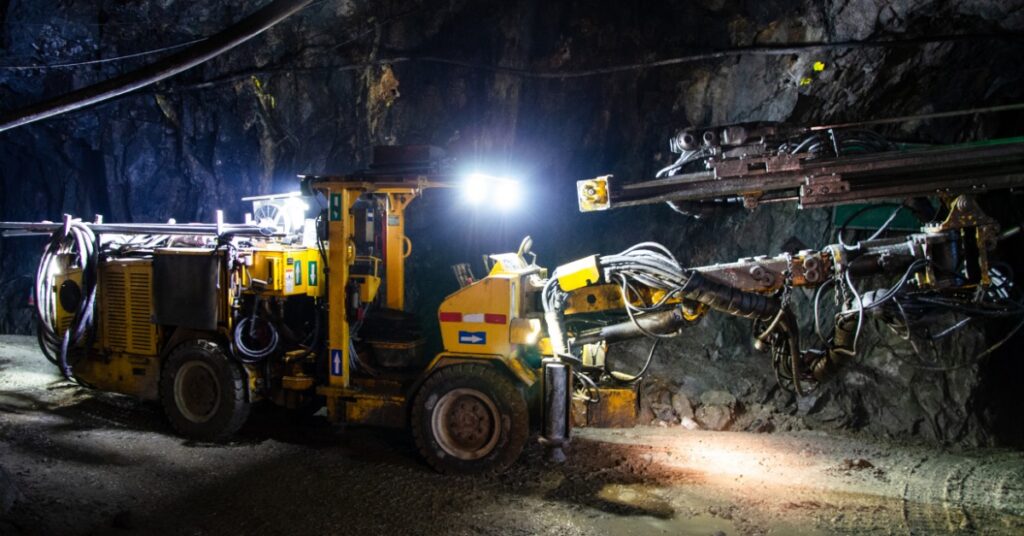
One component is rarely the cause of a machinery malfunction. Trouble builds as load spikes and moisture push the drivetrain beyond its limits. There are several powertrain challenges in hard rock mining that damage machines, and it’s essential to learn how to overcome these obstacles.
Atmospheric Pressure
Underground equipment moves between mine levels and headings. Each change in elevation shifts atmospheric pressure around the machine. Shifts affect seal loading and fluid movement while they change breather behavior and cooler performance inside powertrain housings.
A transmission or axle housing must breathe as temperature and pressure change. A plugged breather traps pressure inside the case. The trapped pressure pushes against seals and encourages leaks while it drives oil mist into areas meant to stay dry.
Pressure instability also affects torque converter performance. The converter relies on controlled fluid movement to multiply torque and transfer engine power. Restriction or aeration reduces smooth torque transfer and raises heat.
Humidity
Humidity enters powertrain systems through condensation. Underground equipment may run hot during a shift, then cool while parked in a damp heading or service bay. This cycle pulls moisture into housings through breathers, worn seals, or open service points.
Water in oil reduces film strength. Gear teeth and bearings rely on a stable lubricant film to separate metal surfaces under load. Clutch plates rely on the same protection during engagement. Once moisture enters the oil, the film weakens and metal contact increases.
Humidity may affect electrical controls tied to modern powertrains. Sensors and connectors must work with shift solenoids and harnesses to send accurate signals. Moisture intrusion may cause intermittent faults, delayed shifts, or derate events during production.
Contamination
Contamination reaches powertrains through breathers, seals, fill points, service tools, or damaged housings. Hard rock mining environments contain abrasive dust capable of turning clean oil into a grinding compound.
Silica and fine metallic particles damage bearings, gears, pumps, or valve bodies. Particles scratch surfaces, increase friction, then disrupt hydraulic control. A transmission valve body relies on clean oil to move spools accurately; contamination may make shifts slow or harsh.
Clean service practices reduce risk. Keep fill ports capped. Wipe connection points before opening them. Store lubricants in sealed containers. A careful oil change protects expensive components as much as the lubricant itself.

Ventilation Limits
Airflow controls heat rejection. With limited airflow in underground environments, the machine forces cooling systems to work tirelessly in the restricted space.
Powertrain heat develops through converter slip and gear mesh friction. Clutch engagement, bearing load, and hydraulic loss increase generated heat. Radiators and oil coolers work with fans and ducts to remove heat before the oil loses viscosity. Weak airflow reduces cooler efficiency and traps heat in the system.
Dust makes the problem worse by coating the cooler surfaces. Although the fan moves air, heat transfer can drop. Operators may see rising transmission temperature during tramming or mucking before a fault code appears.
Extreme Loads
Hard rock mining equipment carries high payloads over rough ground and tight turns on steep grades. Those loads push torque through every powertrain part. The transmission and torque converter send force into driveshafts, differentials, planetary hubs, and brakes.
A drivetrain under extreme load generates heat quickly. The torque converter slips during launch or low-speed pushing, so it turns engine power into motion and heat. Long periods in high-resistance conditions raise oil temperature and wear clutch material.
Shock Loading
Shock loading hits a powertrain when torque changes suddenly. A tire may strike a rock, lose traction, then regain grip. A bucket may jam into the face. A loaded truck may bounce on uneven ground.
Those events send torque spikes through shafts and gears through splines, U-joints, or mounts. The spike may last only a fraction of a second, but it may exceed the load a component sees during steady operation. Repeated spikes leave fretted splines, chipped teeth, cracked mounts, or worn coupling surfaces.
Shock loading also affects torque converters and transmission clutch packs. Sudden driveline resistance forces the system to absorb energy quickly. Over time, this stress may glaze clutch material or damage internal thrust surfaces.
Heat Buildup
Heat ranks among the toughest powertrain stressors underground. A powertrain turns mechanical energy into motion, but friction and fluid shear always produce heat. Long duty cycles produce extended periods of high torque at low speed, raising thermal stress.
Transmission oil must cool and lubricate while carrying hydraulic pressure. As temperatures climb, the viscosity drops. Thin oil struggles to maintain film strength on gear teeth and bearings. Clutch packs may engage harshly or slip because the oil properties have shifted outside the intended range.
Additionally, heat hardens seals. They lose their flexibility and fail to follow the shaft movement. Oil loss follows, contaminates enters, and wear accelerates across the connected assembly.
Lubrication Breakdown
Lubrication failure typically occurs because of low, old, or contaminated oil. Powertrain components depend on the correct lubricant grade with the right friction characteristics and additive package.
Transmissions require oil engineered for clutch engagement. Axles and differentials require lubricant formulated to protect hypoid gears and bearings under sliding contact. Wet brakes require fluid designed for friction control without chatter. The wrong product may cause heat, noise, slipping, or accelerated wear.
Seal Fatigue
Seals protect powertrain assemblies from oil loss and contamination entry. Underground duty cycles expose seals to heat, shaft movement, abrasive slurry, pressure pulses, or impact vibration.
A seal doesn’t work alone. Shaft finish and bearing condition affect seal life. Housing alignment and internal pressure do too. A worn bearing lets the shaft move beyond the seal lip’s operating range. A plugged breather raises case pressure and forces oil past an otherwise healthy seal.
Seal leaks call for quick inspection because the visible leak may only show the symptom. The cause may involve pressure, heat, shaft wear, or contamination at the sealing surface.
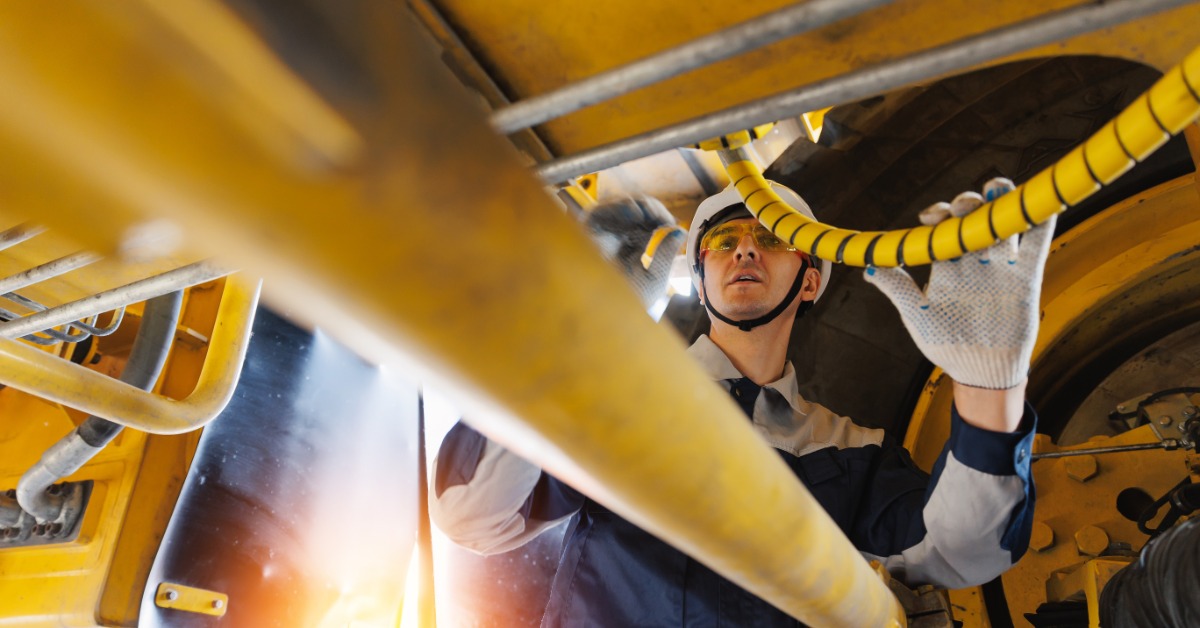
Maintain a Productive Powertrain
Understanding powertrain challenges in hard rock mining helps maintenance teams know which components to protect, so their machinery never fails. From increasing ventilation to lubricating essential parts, the powertrain will be in good shape for countless hours of operation.
Bull Powertrain supports hard rock mining operations with OEM genuine components and repair expertise for transmissions, torque converters, and more. Contact Bull Powertrain to find Ausco products designed for industrial, off-highway equipment and service support. Our team will provide you with the insight and tools needed to keep your machinery running.