
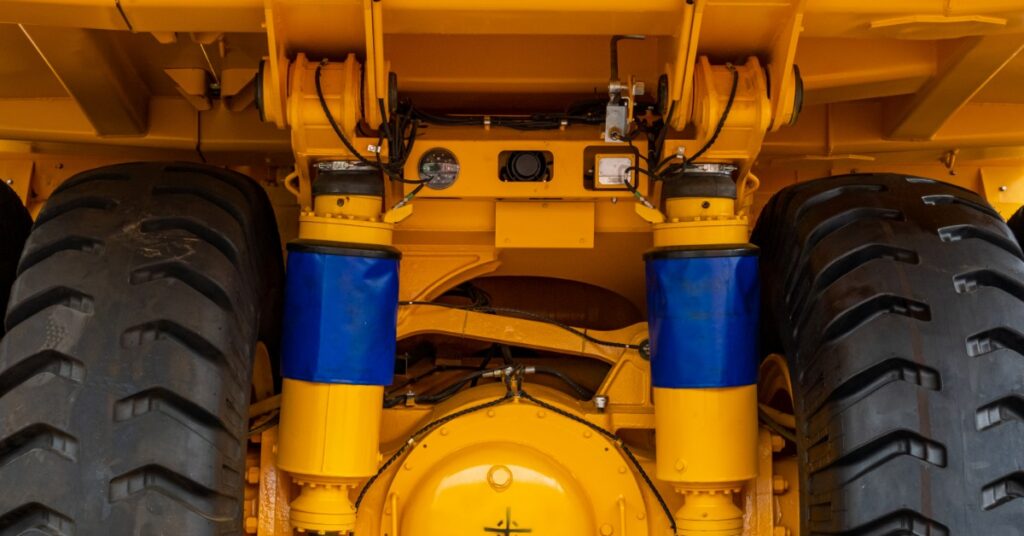
The driveline carries power from the transmission to the wheels and axles. In hard rock underground mining, that power has to move through tight turns, steep grades, heavy payloads, and long duty cycles. Durable components give the system the strength to transfer torque without excess heat. Selecting the best driveline parts means finding durable components that make off-highway equipment long lasting.
Consider Material Strength and Heat Treatment
Material strength affects how a component reacts. Shafts and yokes rely on metal that resists twisting under force. Gear housings and couplings have to hold their shape after impact. Poor metallurgy may let a part lose shape before it fully breaks. Connected components then take stress outside their design range.
Heat treatment gives metal the surface hardness and internal toughness required for repeated contact. Two parts may look alike from the outside, yet perform very differently under strain. Choosing heat-treated parts will prevent gear tooth pitting and help the shafts hold their form under torque.
Why Low-Grade Materials Fail
Low-grade material rarely fails in one dramatic moment. It wears unevenly first. Then. surface damage spreads and tolerances drift during repeated load cycles. The slow decline changes how parts mesh and seal during rotation.
Once a component loses its correct shape, stress moves into nearby parts. A soft gear surface sheds metal into the oil, while a weak shaft twists and disturbs the alignment. Strong materials that withstand heat protect the whole driveline from strain.

Determine the Torque Capacity
Torque capacity shows how much twisting force a component carries. Off-highway fleets deal with sudden spikes during loaded movement, so selection should reflect peak strain during the work cycle. A part may survive light use and still fail during a demanding underground cycle.
Loaded movement on a grade sends force through the driveline quickly. Sudden traction changes raise the strain. Direction changes put repeated stress on the same surfaces. The right part gives the machine room to work within its intended specification instead of forcing the driveline to absorb force outside its design range.
Evaluate the Load and Heat Ratings
Load rating tells maintenance teams how much mechanical stress a part carries during operation. In hard rock mining, the rating reflects the payload and machine weight. Grade conditions belong in the same review because each cycle places force through the component differently.
A low load rating shortens service life because the component works above its design range. That stress may show up as looseness or bearing damage. A proper load rating gives the fleet a part suited to daily work.
Be sure to account for the machine’s duty cycle before a part reaches the repair bay. This step gives maintenance teams a practical way to reduce repeated wear.
Managing Heat Under Heavy Cycles
Heat rating requires close attention because temperature changes oil behavior and seal life. Heavy cycles raise the temperature inside transmissions and torque converters. Axles carry heat, too. Once heat rises beyond the part’s design range, oil breaks down fast, and wear accelerates soon after.
A component built for a light environment will struggle because it spends too much time near its thermal limit. Account for the duty cycle and cooling condition before choosing driveline parts.
Conduct Efficient Power Transfer
Efficient power transfer means the driveline sends force from one component to the next with limited loss. Balance affects how smoothly rotating parts move. Alignment controls how force enters the next component. Gear geometry shapes how the system transfers torque under load.
Instead of chasing small gains, the goal is to install parts that use power cleanly during demanding work. Poor fit forces the driveline to endure additional stress. Rough machining or imbalance does the same. Over time, excessive heat generation and noise will follow.
Filters That Protect the Oil
Poor filtration lets abrasive material circulate through the system, while restricted flow starves critical areas of lubrication. Underground environments carry a high contamination risk because equipment works around dust and metal wear particles. Oil cleanliness protects precision surfaces inside driveline systems.
Filtration removes particles before they grind against bearings and gears. It also protects clutch surfaces and sealing areas. A good filter strategy supports part life only when the component has the right passages and service points.
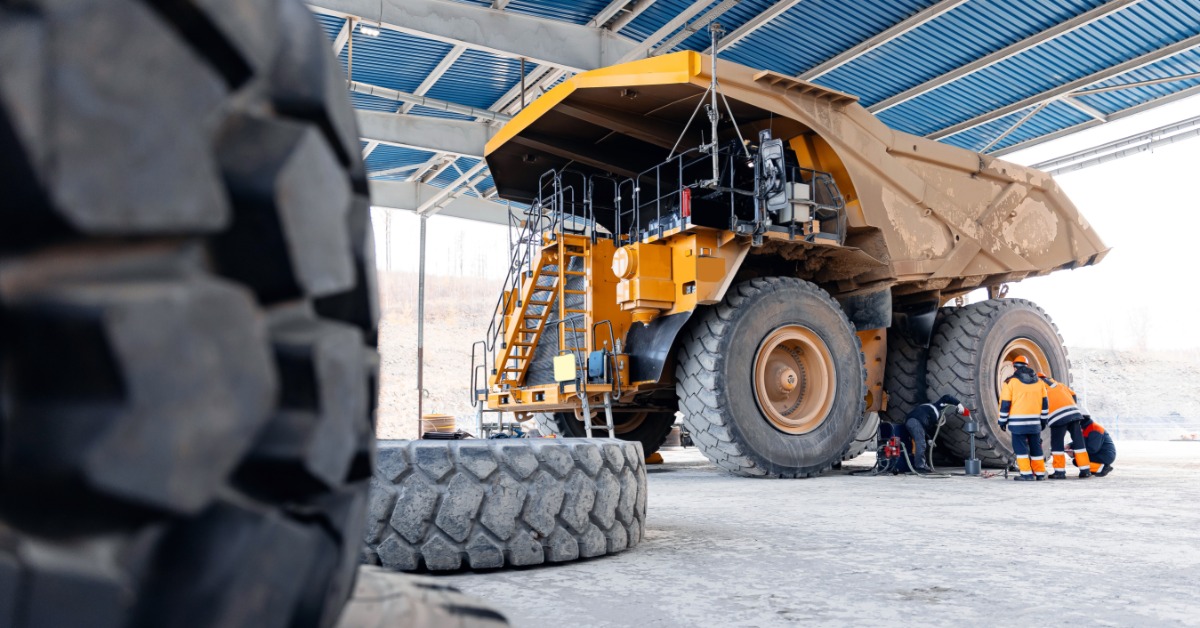
Selecting Quality Seals and Fittings
Seals protect the oil supply and block contamination. A quality seal must match the fluid and temperature range. It has to fit the shaft speed and sealing surface while holding its shape under pressure changes.
Small Leaks Turn Into Major Damage
A small leak signals a loss of protection. Once oil escapes, the component may lose lubrication or run hot. Once grit enters, internal surfaces begin wearing every time the machine moves.
Fittings carry the same level of importance. Loose or poorly machined fittings invite seepage and pressure loss. Breathers and plugs should seal securely without making service difficult. Hose connections and inspection points need the same care. Good seals and fittings protect the component between scheduled maintenance intervals.
Installing OEM Components
Correct fit using original equipment manufacturer (OEM) components fit the machine’s original dimensions, tolerances, mounting points, and lubrication routes. Those details affect how the driveline carries force during operation, so they shouldn’t be treated as minor installation concerns. A part that requires forced alignment stresses the nearby components before the machine returns to service.
Specification also plays a major role during repair and rebuild work. The replacement component should match the system’s design closely enough to support sealing and smooth rotation. In underground mining, that level of precision protects the driveline from avoidable strain and gives maintenance teams a cleaner repair process.
Choose High-Quality Driveline Parts
The best driveline parts for off-highway fleets come from heat-resistant components that match the equipment’s specifications. When the materials are reliable under immense strain, teams can continue operations without a hitch.
The right driveline parts will support production and decrease repeated maintenance. Bull Powertrain supplies OEM Dana, Funk, and Kessler components for hard rock underground mining equipment.
We’re a supplier that understands how the parts should perform after installation. With our knowledge and high-quality driveline parts, repairing off-highway equipment is simple. Contact Bull Powertrain for repair or product assistance today.