
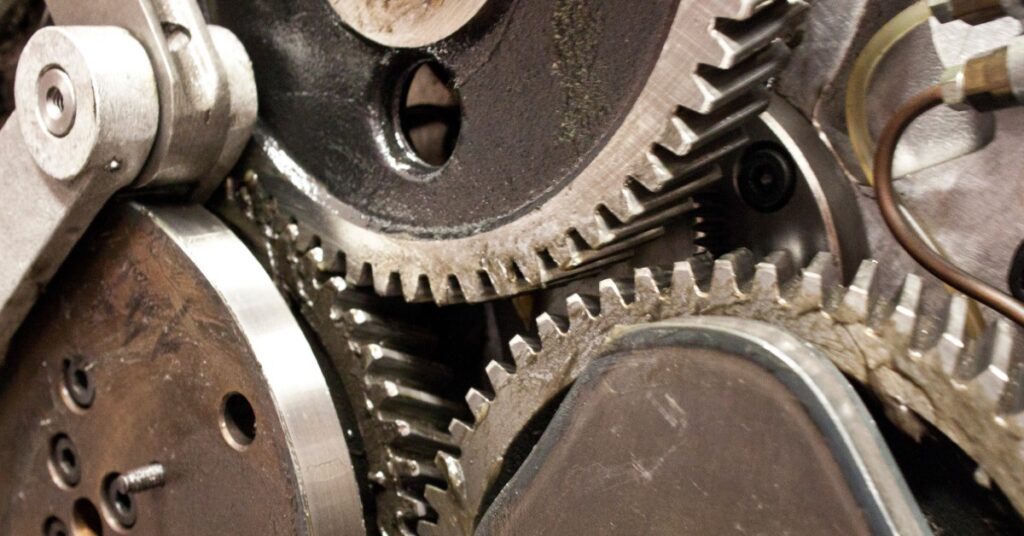
Engine power passes through a chassis packed with structural systems. Limited space complicates drivetrain placement because the engine and transmission cannot always share one straight centerline. An upbox offset gearbox resolves this layout problem by moving the output shaft to a different vertical position while continuing the power path toward the transmission.
The advantages of Kessler upbox offset gearboxes come from features that support compact design and dependable power transfer. Kessler develops these units for direct mounting to combustion engines in underground loaders and dump trucks. Their offset arrangement and one-to-one ratio position drivetrain components without changing the intended rotational speed.
1. Offset Geometry Improves Component Placement
An offset gearbox places the input shaft and output shaft on separate centerlines. The gearbox receives rotation from the engine at one position before sending it toward the transmission from another position. Because the output moves vertically away from the engine centerline, the driveline follows the available space inside the machine.
This geometry supports precise component placement in equipment with crowded internal layouts. Designers route the power path around structural areas or nearby systems instead of forcing every component into one straight line. Proper placement then supports the intended shaft angles and mounting positions throughout the driveline.
2. Direct Mounting Simplifies Engine Integration
Kessler upboxes mount directly to combustion engines. The connection places the offset gearbox at the beginning of the power path before rotation reaches the main transmission. As a result, the gearbox redirects engine output at a planned interface instead of adding an improvised transition farther through the chassis.
Direct mounting supports a compact assembly between the engine and connected drivetrain components. Technicians still must confirm the engine interface and mounting requirements before installation. However, a purpose-built connection supports alignment and reduces uncertainty during replacement planning.
3. One-to-One Ratio Maintains Rotational Speed
Kessler upbox offset gearboxes use a one-to-one ratio between the input and output. In practical terms, the output shaft follows the same nominal rotational speed as the input shaft. The gearbox changes the position of the power path instead of introducing an intentional reduction or overdrive ratio.
Drivetrains that rely on engine speed entering the downstream transmission benefit from this arrangement. Operators gain an offset without changing the speed relationship established by the original powertrain design. The unit doesn’t create extra engine power, yet it preserves the planned rotational relationship while routing power through a different centerline.
4. Efficient Power Routing Supports Machine Performance
Direct engine mounting lets the upbox redirect power near the beginning of the drivetrain instead of correcting shaft position farther downstream. The gearbox receives rotational force from the engine and sends it toward the transmission from the required centerline. Because this repositioning occurs within a purpose-built unit, the surrounding driveline can follow the intended machine layout with fewer adaptations between major components.
Efficient routing doesn’t mean the gearbox produces extra horsepower or eliminates normal mechanical loss. The advantage comes from coordinating engine placement and output position while preserving the expected speed relationship. During changing loads, the transmission receives power through a defined path that suits the chassis geometry and drivetrain design. The outcome is a consistent response.
5. Heavy-Load Capacity Protects Power Transfer
Mining machines place substantial twisting force on drivetrain components during loaded travel and acceleration. An upbox must accept that engine torque before passing it toward the remaining drivetrain. Kessler offers input torque capacities suited to demanding underground applications, so the gearbox family supports engines that power loaders and dump trucks through repeated work cycles.
A suitable torque rating protects the power path from operating beyond the gearbox design limit. Repeated overload raises internal stress and accelerates wear across gears or bearings. Proper selection lets the upbox manage the engine’s available force during normal production while preserving a stable connection between the engine and transmission.
Torque capacity doesn’t multiply the engine’s output. Instead, the rating identifies how much twisting force the gearbox transfers within its design limits. Matching that capacity to engine output and machine duty supports reliability across changing loads.
6. Compact Design Preserves Chassis Space
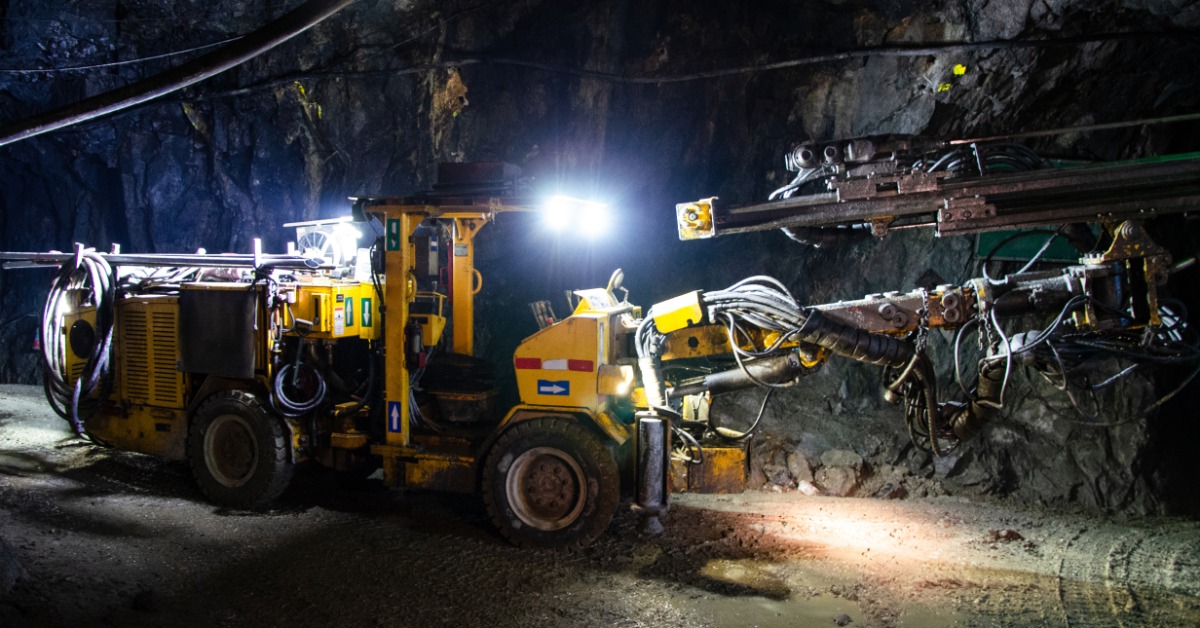
Underground loaders and dump trucks operate within restrictive headings where machine dimensions affect maneuverability. Their chassis must contain a powerful engine and a durable transmission while leaving room for cooling systems and structural supports. A compact upbox organizes those components within the available space.
Instead of demanding a long, straight drivetrain layout, the offset arrangement uses vertical placement that supports a concentrated package near the engine. The output is at a useful height for downstream components, preserving valuable space while retaining the required engine position.
Compact packaging doesn’t mean every upbox fits each machine model. The housing dimensions and offset must match the original layout. Still, the design gives mining equipment manufacturers a focused solution for machines with limited internal space.
7. Configuration Choices Fit Various Layouts
Kessler produces upboxes with varying torque capacities, engine connections, and offset dimensions. Therefore, designers can match the gearbox to each machine layout rather than forcing one configuration across every application.
Offset distance influences the position of the output shaft relative to the engine. Engine connection size controls the mounting interface, while torque capacity defines the mechanical load the gearbox accepts. Evaluating these features together supports a configuration that suits the powertrain.
8. Mining-Focused Engineering Supports Reliability
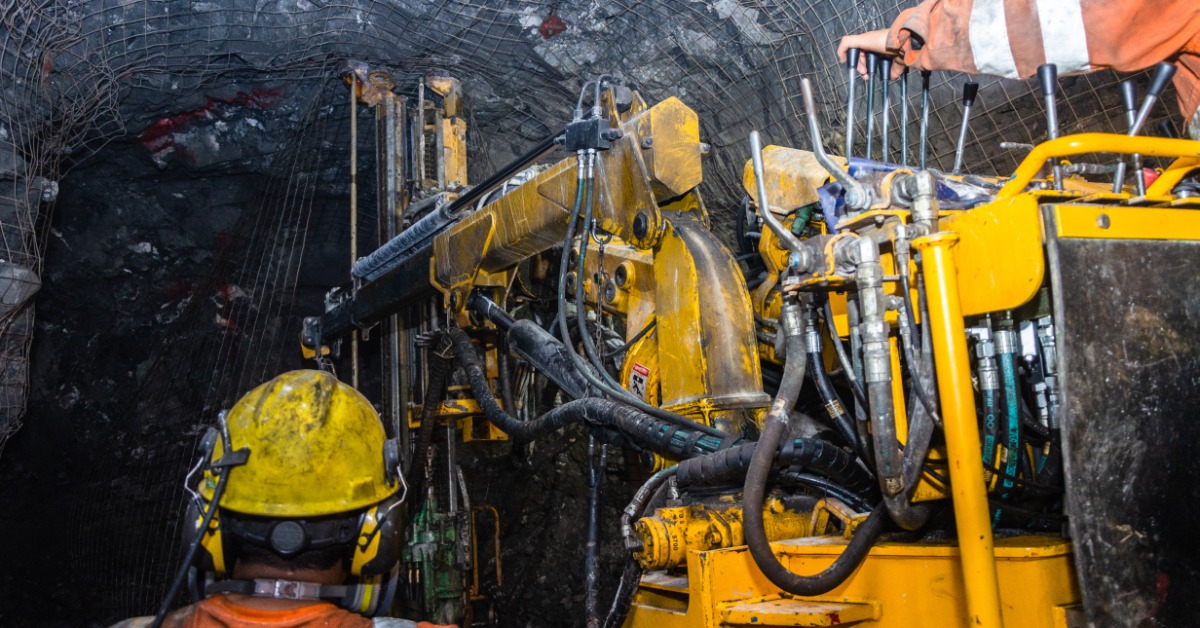
Kessler positions its upboxes for compact underground loaders and dump trucks. Those machines face frequent load changes and repeated travel through demanding mine conditions. Kessler designs these gearboxes around the operating environment of underground mining machinery.
Reliability still depends on correct installation and ongoing service. Proper lubricant selection protects internal movement, while inspection reveals leaks or mounting concerns before damage spreads. Technicians should follow the equipment documentation during each service because the gearbox works as part of a connected powertrain.
Replacement parts must preserve the original fit and operating specifications. Genuine Kessler off-highway parts support repairs that retain the intended relationship between the upbox and surrounding components. This approach focuses service on compatibility instead of introducing unverified changes into a demanding drivetrain.
Protect Power With Proper Gearbox Support
The features of Kessler upbox offset gearboxes solve several powertrain challenges inside compact mining equipment. Offset geometry controls output placement, while direct mounting connects the unit to the engine through a defined interface. Additionally, a one-to-one ratio preserves rotational speed as heavy-load capacity supports dependable torque transfer.
Bull Powertrain supplies genuine Kessler components and provides repair support through an authorized Kessler Service Center. Our factory-trained technicians work with mining powertrain systems and assist teams that must identify parts or plan gearbox service. Contact Bull Powertrain to discuss mining machinery concerns before driveline wear disrupts equipment reliability.