
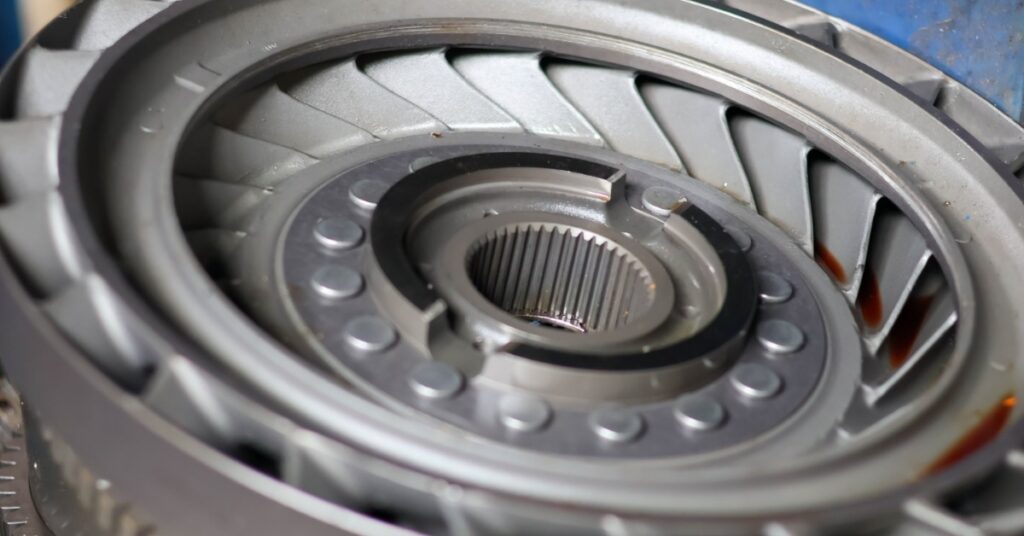
Off-highway equipment relies on steady power transfer during heavy work cycles. Load changes through mud and grades place constant strain on the torque converter. Rock-covered ground and soft terrain add pressure during long shifts. When the equipment has a weak converter, it’s only a matter of time before the machine malfunctions. Learning the warning signs of a failing off-highway torque converter offers crews a chance to respond before damage spreads throughout the transmission.
1. Sluggish Machine Response
A torque converter in top condition transfers engine power into controlled machine movement. The response is steady once the operator applies throttle and the driveline begins to endure the load. If the torque converter has a slow response, there might be a power transfer issue inside the converter.
This warning sign is simple to spot during loaded travel or uphill movement. The engine revs while the machine hesitates before it moves. Crews sometimes mistake the delay as a general performance issue and miss the converter connection.
Internal wear changes how the converter multiplies torque. Worn surfaces and weak fluid movement reduce the force reaching the transmission. As the delay grows, operators spend more time pushing the machine through work it used to handle with ease.
2. Excessive Heat During Operation
Fluid movement is vital for transferring power and carrying heat away from internal components. When the converter slips beyond its intended temperature range, fluid temperature climbs quickly.
A hot converter affects the transmission, cooling system, and hydraulic circuits. Transmission fluid undergoes thermal degradation under sustained elevated temperatures, resulting in reduced viscosity stability and diminished lubricity. Elastomeric seals experience accelerated hardening due to heat-induced material fatigue, while clutch friction materials endure increased thermal loading during each high-torque duty cycle.
Technicians treat repeated temperature spikes as a serious warning because they signal serious issues. While heavy work naturally generates heat in off-highway equipment, the temperature should remain manageable. When overheating occurs consistently under standard duty conditions, it suggests that the torque converter is inefficient. This issue may stem from increased internal friction, which not only raises temperatures but also accelerates wear on internal seals, clutch packs, bearings, and turbine components.
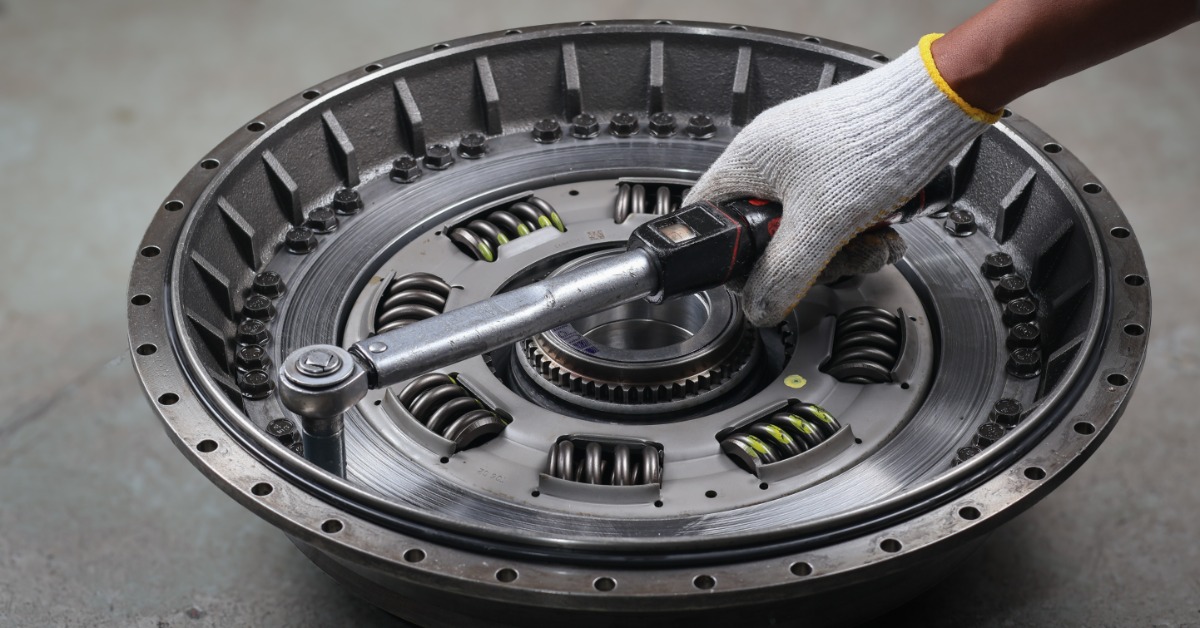
3. Fluid Discoloration
Torque converter fluid condition provides direct insight into internal operating temperatures and component wear. Under normal conditions, transmission fluid maintains a clear, bright appearance—typically red or amber depending on formulation. When fluid appears dark brown or black, it indicates thermal degradation caused by sustained overheating within the converter.
This degradation occurs when excessive slip inside the converter generates heat beyond the fluid’s thermal capacity. As temperatures rise, the fluid oxidizes, breaking down its viscosity modifiers and additive package. This reduces its ability to maintain a stable film between rotating components such as the impeller, turbine, and stator. Without proper lubrication and cooling, metal-to-metal contact increases, accelerating wear on internal surfaces and bearings.
4. A Burning Smell
A burnt smell in torque converter fluid signals advanced thermal breakdown and internal stress. This odor develops when fluid is exposed to prolonged high temperatures, commonly caused by excessive slip or inadequate cooling within the converter.
Burnt fluid loses its ability to transfer heat efficiently through the cooling circuit. As a result, localized hot spots develop within the converter housing, further compounding internal damage. In severe cases, degraded fluid carries suspended clutch material or fine metallic particles, which circulate through the system and contribute to abrasive wear in downstream transmission components. When burnt odor accompanies delayed engagement or reduced torque multiplication, it strongly indicates that internal converter components are operating outside their intended parameters.
5. Unusual Vibration During Travel
Tires, tracks, driveline joints, and transmission assemblies could all be the source of vibration. However, when vibration becomes extremely noticeable during acceleration or under high loads, it’s necessary to evaluate the torque converter.
Internal wear within the converter, like damaged turbine blades, worn stator components, or degraded bearings, disrupts the smooth circulation of transmission fluid. Uneven torque delivery places additional stress on transmission gears, universal joints, and differential components. If left unaddressed, vibration caused by a failing torque converter will damage the entire driveline.
Operators typically detect this vibration through the seat, floor, or control levers. The vibration may diminish at steady speeds but reappear when load conditions change, indicating that the issue is tied to torque multiplication rather than external factors, like terrain. This behavior helps differentiate converter-related vibration from tire imbalance or track misalignment.

6. Shudder During Gear Engagement
An unstable torque converter will shudder when engaging the gears. In off-highway equipment, this will present as an excessive vibrating or jolting sensation when shifting. Instead of a gradual coupling between the impeller and turbine, the driveline experiences intermittent engagement, commonly linked to worn internal components or inconsistent hydraulic pressure.
This symptom is likely to appear before any major loss of pulling power. The machine may continue to perform routine tasks, but repeated shock during engagement accelerates wear on internal converter parts and adds stress to the transmission. Operators may notice the shudder becomes very pronounced under heavy loads or high operating temperatures.
7. Transmission Fluid Leaks Near Housing
Fluid accumulation around the torque converter housing indicates leakage at the front pump seal, converter hub seal, or gasket interfaces between the transmission case and bell housing. These seals endure high rotational speeds and elevated temperatures that accelerate wear and increase the risk of leaks.
Even minor fluid loss disrupts the converter’s hydraulic balance. Reduced fluid volume decreases internal pressure, which directly hinders torque multiplication and heat dissipation. As fluid level drops, the converter may begin to cavitate and introduce air into the system.
Technicians should inspect for fluid trails, residue buildup, and wet surfaces around the inspection cover and mounting flange. To ensure an accurate diagnosis, verify fluid levels, check for contamination, and assess seal integrity. It’s also important to examine the converter hub for scoring or wear that could compromise proper seal contact.
8. Rising Noise From the Driveline
Noise originating from the driveline develops gradually as internal clearances increase and rotating components lose their designed tolerances. In a failing torque converter, technicians will hear a high-pitched whine during acceleration or a low grinding tone when the machine transitions under load. These sounds are commonly linked to cavitation within the fluid circuit, worn stator bearings, or turbine imbalance disrupting smooth fluid coupling.
The noise tends to intensify as torque demand increases, making it more noticeable during uphill travel or heavy material handling. If the sound coincides with elevated fluid temperatures or intermittent vibration, technicians can infer that there are internal inefficiencies rather than external driveline issues.
During inspection, technicians extend their evaluation to adjacent driveline components to rule out secondary contributors. Universal joints, splines, and a worn Spicer driveshaft can introduce similar acoustic signatures, particularly under torque load. However, when noise patterns align with converter-specific symptoms such as slipping, overheating, or degraded fluid condition, the converter remains the primary suspect.
Protect Off-Highway Equipment and Operational Uptime
Recognizing the patterns of a failing torque converter, from excess heat to delayed shifting, gives crews the guidance they need to repair off-highway equipment correctly. Bull Powertrain supports heavy equipment operations with a wide range of drivetrain components, including torque converters, transmissions, and axles. We also provide comprehensive repair and rebuild services designed to restore performance and extend equipment lifespan. Contact our skilled team to discuss parts availability or schedule service support before minor converter issues develop into major operational disruptions.