
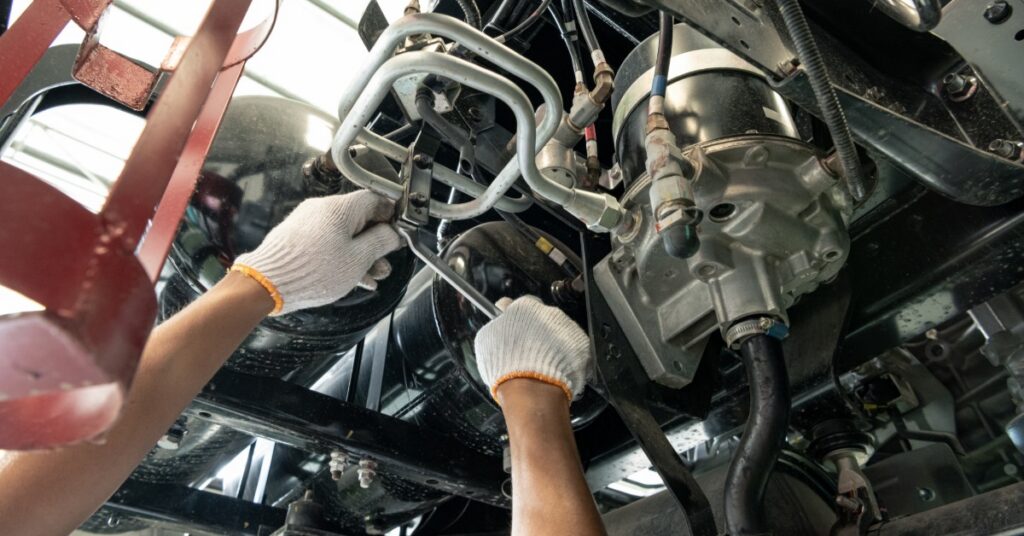
Mining equipment works under heavy load through steep grades and tight headings during repeated stop cycles. Brakes take that punishment during hauling and tramming, plus positioning and emergency control. Crews lose production time once brake performance drops because the machine can no longer move safely through the shift.
Brake failures contribute to mining operation downtime because the issues spread from one component to the next. From friction causing excess heat generation to contaminated fluids, brake issues will cause the equipment to break down and derail the workflow. Knowing the common causes of brake issues and how to prevent them will protect uptime.
Heat Buildup Stops Production
Brake heat develops when friction surfaces absorb energy during repeated stops. Underground mining machines face long travel cycles with heavy payloads, so brake assemblies work hard during routine movement. Once heat rises beyond the system design range, friction performance changes, and stopping distance becomes difficult to predict.
Overheated brakes glaze the friction material and damage seals. Heat can thin the fluid and diminish hydraulic response. Operators may notice brake fade on a grade or after repeated positioning moves. Maintenance must then pull the unit from service before risk increases.
Downtime grows because overheated parts need inspection beyond the visible surface. Technicians must check the friction material and piston movement. A single heat event can turn a short service stop into a full brake system review.

Fluid Problems Reduce Brake Control
Many mining brake systems rely on hydraulic pressure to clamp or release braking components. Fluid must transfer force cleanly through lines, ports, seals, and pistons with a steady response. Water and dirt interfere with this process.
Contaminated fluid can score internal surfaces and make valves respond inconsistently. Low fluid levels may pull air into the circuit and create a soft pedal or delayed response. Incorrect fluid can attack seals or change the way the system handles heat.
Topping off a reservoir won’t solve a contaminated circuit. Downtime is essential because technicians must locate the source of the contamination and address it promptly. Crews will need to inspect hoses, fittings, and cylinders. Then, they will take fluid samples to determine the type and extent of the damage before the equipment can return to the mine.
Contamination Damages Brake Components
Mining environments expose brakes to abrasive dust and moisture. Mud and fine metal particles add more risk around service points. Those materials can enter through damaged seals or poor breathers. Once contamination reaches friction surfaces or hydraulic circuits, the brake no longer works in a clean operating environment.
Abrasive particles cut seals and scratch machined surfaces. Moisture can promote corrosion inside brake cavities. Grease or oil on the friction material can reduce holding power, resulting in an uneven braking response.
Contamination causes downtime because it spreads past the first failed part. Technicians may need to flush circuits, replace seals, or clean the housings. With a clean brake system, the chance of unexpected breakdowns decreases.
Worn Friction Material Delays Work
Friction material wears down every time the brake converts motion into heat. Heavy loads and frequent stops speed up that wear. Abrasive dust and poor adjustment can shorten service life as well. Once linings or discs reach their limit, the brake loses the surface area it uses to hold or slow the machine.
Worn material generates noise and vibration while producing uneven stopping. Metal contact can damage mating surfaces after the friction layer disappears. At that point, the repair may involve discs or plates instead of a planned friction replacement.
Seal Damage Causes Unplanned Removal
Seals protect brake circuits and internal cavities from leaks. They hold pressure where the system needs force. They block dirt where the system needs clean movement. Heat and age both shorten seal life.
A damaged seal can leak fluid or let contaminants enter the assembly. Small leaks can turn into low-pressure warnings or visible fluid loss. Internal leaks can reduce apply force while the outside of the brake still looks normal.
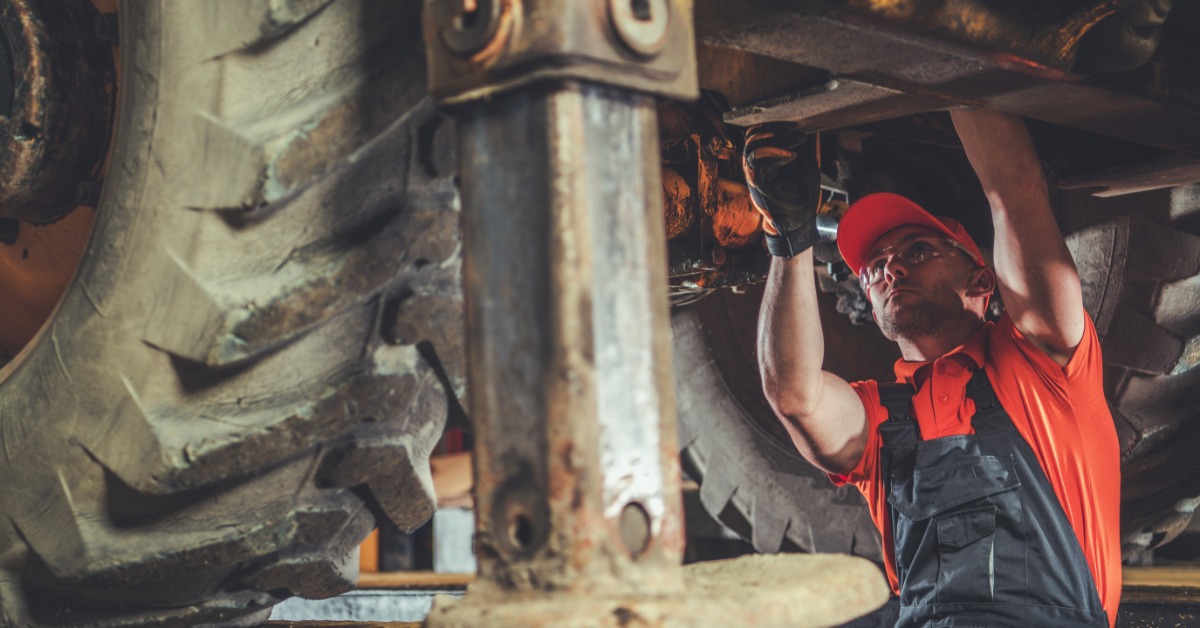
Seal problems aren’t fixable on the jobsite; they require careful disassembly. Mechanics must confirm the leak source and verify the shaft surfaces and bore condition. Then, they can start to replace the worn parts.
Poor Adjustment Creates Uneven Braking
Brake adjustment affects clearance and applies force while also influencing release behavior and heat generation. Excessive clearance can delay braking response during normal operation. Too little clearance can cause drag and accelerate wear across critical brake components.
Uneven adjustment can make one brake work harder than the rest, which places a greater thermal load on that assembly. The overloaded brake then runs hot while other assemblies carry less load during the same operating cycle. Operators may report pulling or vibration before the machine gets parked. Some crews may also notice inconsistent stopping performance during routine travel.
This problem costs production time because adjustment issues can mimic other failures and complicate troubleshooting efforts. Technicians may chase hydraulic pressure or friction wear before they confirm the root cause.
Maintenance Tips To Prevent Downtime
Preventing brake-related downtime will keep your mining operations on schedule. But how can the team accomplish that? Preventative maintenance is the key.
A quick visual check won’t reveal every issue inside a brake system. Routine servicing ensures that the machine will be taken out of service before brake failures can occur. These are the core evaluations teams need to conduct:
- Check the fluid’s condition to identify contamination, heat damage, or incorrect fluid that could reduce hydraulic response.
- Measure wear limits to confirm the friction material has enough surface area to slow or hold the machine.
- Inspect seals and lines to detect leaks that could reduce pressure or allow debris to enter the system.
- Verify brake adjustment to ensure incorrect clearance doesn’t create drag, excess heat, or a delayed response.
Keep the Service Area Clean
Brake work should begin with cleaning around housings, fittings, covers, and access points. Underground debris enters the assembly once a mechanic opens the system. Clean preparation protects internal components and decreases the chance of contamination after the repair.
Follow Torque and Fit Specs
Brake service depends on correct hardware fit and assembly pressure. Mechanics should follow the manufacturer’s torque values and installation procedures during every rebuild or replacement. An incorrect fit will result in misalignment or excess friction after the machine returns to work.
Test the Brakes Under Controlled Load
A controlled function test should confirm brake apply and release behavior before production resumes. Mechanics should listen for loud noises, monitor the equipment’s response to routine tasks, and check the temperature levels. These tests will help catch any issues before the machine goes back to the mine.
Protect Uptime With Brake Servicing
Mines depend on braking systems that hold and release with predictable force during every cycle. Strong inspection routines help crews catch worn components before they disrupt the schedule.
Bull Powertrain supports hard rock underground mining teams with genuine components and repair knowledge rooted in powertrain service. Teams looking for Ausco brake distributors can work with Bull Powertrain to source quality parts and plan service before brake problems remove critical machines from production.