
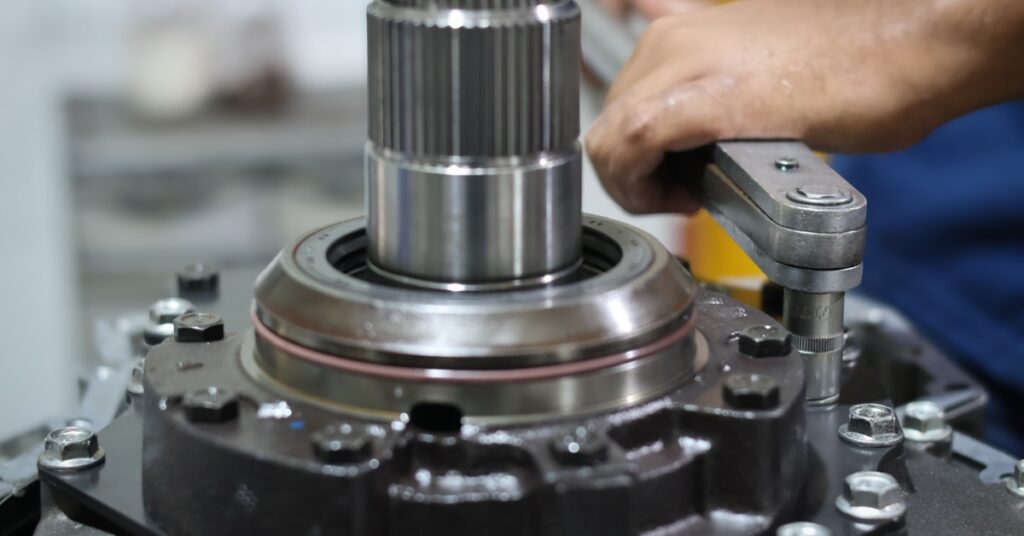
Heat builds quickly inside an off-highway transmission once load and oil condition fall out of balance. Mining machines work through heavy haul cycles where every shift event, and every converter load causes thermal stress.
Maintenance teams reduce that stress through consistent inspection and disciplined operating habits. These ways to prevent overheating focus on the parts of the system that move oil and control friction under load.
1. Use the Specified Transmission Oil
Oil carries heat away from clutch packs and bearings while it supports hydraulic control. The incorrect viscosity alters how the oil film behaves once the machine works under load. Thin oil loses film strength as temperature rises. Heavy oil resists flow through narrow passages and increases pump effort.
Manufacturer specifications account for pump design and friction material. They account for the expected operating temperature, too. Matching the oil to the machine keeps clutch engagement stable during demanding cycles.
Oil analysis confirms if the selected oil performs as intended. Rising oxidation levels indicate that heat is stressing the fluid beyond normal limits. Wear metals can reveal developing component problems before crews notice changes in shift quality or machine performance. Through regular sampling, maintenance teams can verify that the oil facilitates effective cooling and reliable transmission operation.
2. Check Oil Level at Operating Temperature
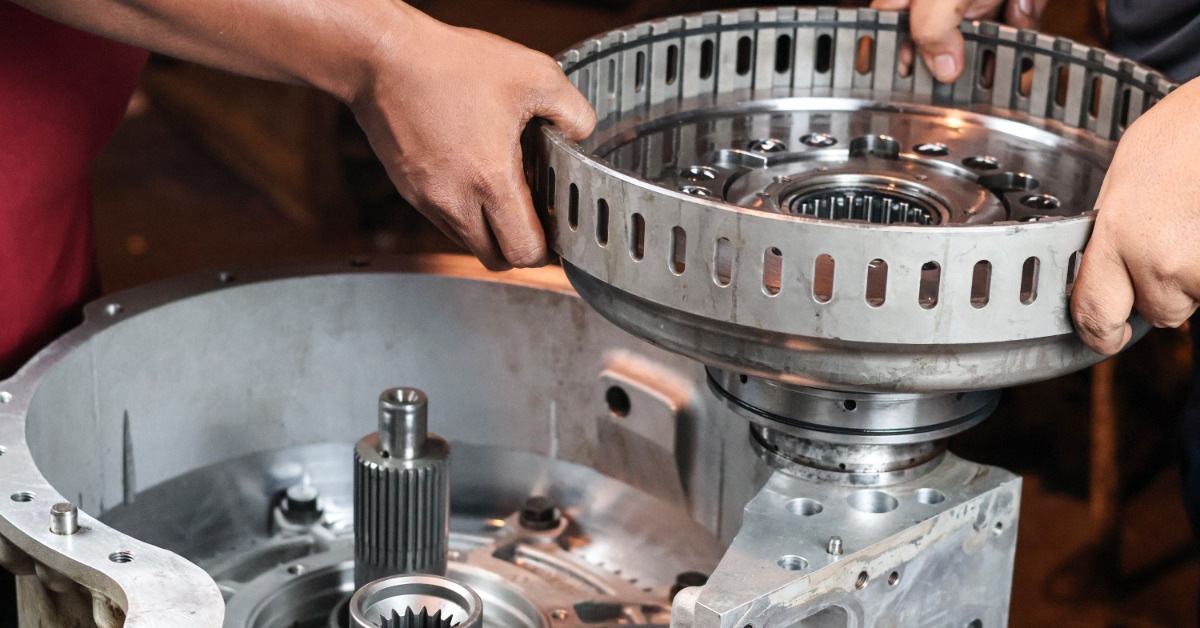
Oil level affects how much fluid the transmission has available to absorb heat. Low level reduces the volume moving through the cooler and clutch circuits. The pump may draw air during travel over uneven ground. Aerated oil compresses under pressure and weakens hydraulic control.
Overfilled oil causes a different heat problem. Rotating parts churn the extra fluid into foam. Foam reduces contact between oil and hot internal surfaces. The transmission then loses cooling capacity during the same work cycle.
3. Clean Cooler Fins Thoroughly
Cooler performance depends on steady air movement across the full core. Mud and fine dust collect across fins during underground work. Packed material acts like insulation and prevents heat from leaving the oil circuit.
A quick rinse across the visible face won’t solve the problem. Debris collects around the low corners and tight guard areas. Technicians should expose the full core and clean it with approved methods.
The cooler must release heat at the same pace the transmission creates it. Restricted airflow breaks that balance. Once oil returns to the transmission too warm, clutch packs and seals face extra thermal stress.
4. Confirm Cooler Circuit Flow
Airflow only solves part of the cooling problem. Oil must move through the cooler circuit at the proper rate. A crushed hose or a tight bend limits flow before the cooler can reject heat.
Hose routing deserves attention after repairs and component changes. A rubbing hose develops weak spots along a frame edge. A soft section may collapse under suction during high-flow demand. Each of these conditions restricts oil movement through the same cooling circuit.
Fittings deserve the same attention because they affect flow quality as well as flow volume. Loose fittings can draw air into the oil stream even when no external leak is visible. Air pockets reduce solid oil contact against hot parts and weaken heat transfer. Whether the problem comes from a damaged hose or air entering through a fitting, the result is the same: less effective cooling and higher transmission temperatures.
5. Replace Filters Before Restriction
Filters remove abrasive material from oil before it reaches valves and bearings. As debris loads the filter, flow through the system begins to drop. Restricted flow reduces the amount of oil reaching heat-producing parts.
Pressure loss can change shift behavior before temperature alarms appear. Slow engagement may indicate a weak hydraulic response. Weak pressure lets clutch surfaces slip during engagement, creating friction and heat.
Filter service should follow both the recommended interval and any pressure indicators installed on the machine. Heavy haul cycles increase oil flow demand and expose the system to more wear material. When temperature records begin to show a gradual increase after strenuous work, crews should give the filter system additional attention rather than waiting for the next scheduled service. Early inspection helps identify developing restrictions before reduced flow contributes to higher operating temperatures.
6. Limit Torque Converter Stall Time
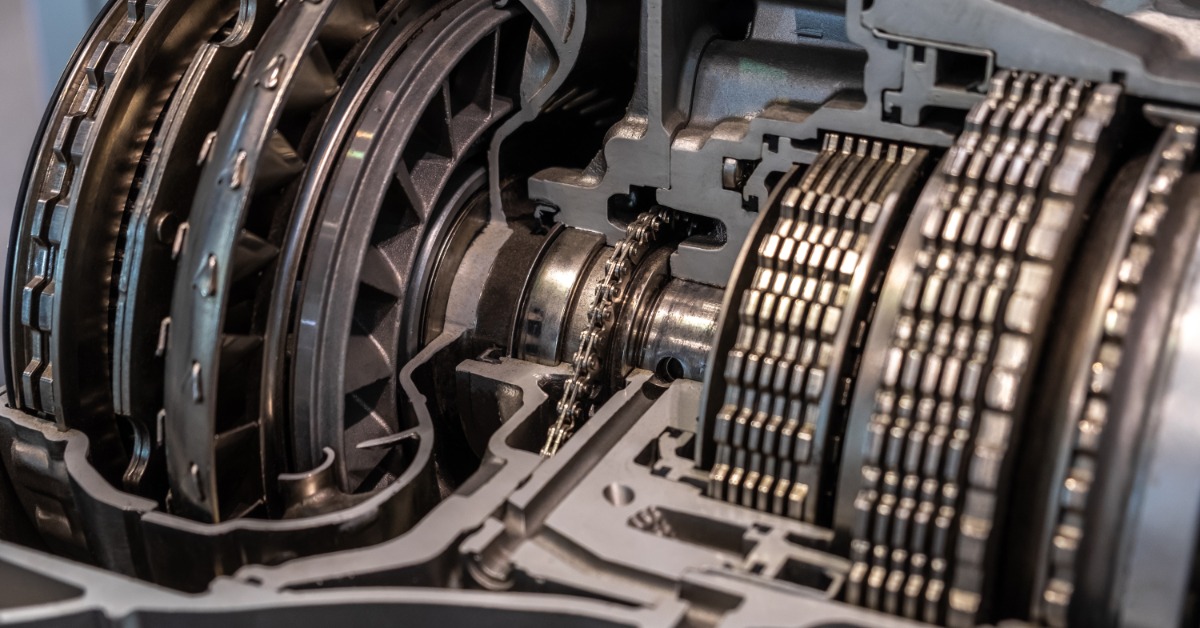
The torque converter creates heat when it transfers power without matching the machine’s movement. Stall conditions occur during hard pushing or heavy launch events. Long throttle application against resistance sends heat into the oil quickly.
Operators reduce heat by controlling approach speed before the machine meets resistance. Smooth throttle input allows the converter to move power without prolonged stall. Repeated high revolutions per minute will generate heat rather than productive motion.
7. Maintain Driveline Alignment
The transmission sends torque into the driveline after the output shaft. Misalignment or worn joints create vibration across the powertrain. Those load pulses return stress to the transmission through the output side.
A properly maintained GWB driveline supports torque transfer between major components. That steady movement reduces shock loads that can increase converter and clutch stress. Because driveline condition affects thermal behavior, alignment checks belong in any overheating prevention routine.
Crews should inspect joint movement and mounting points during planned service. Binding joints force the transmission to absorb irregular loads. Loose mounts change operating angles and raise stress during haul cycles.
8. Eliminate Brake Drag
The transmission struggles when dragging brakes produce constant resistance. This causes the torque converter and clutch circuits to generate additional heat, raising the transmission oil temperature, too.
Brake inspections should verify full release under actual operating conditions rather than relying only on static checks. Linkage movement, release pressure, and component adjustment deserve close review after any brake service. Even a minor adjustment error can leave the friction material in contact with the drum or disc, creating unnecessary load throughout the work cycle.
Temperature increases that appear soon after brake maintenance deserve immediate investigation. The timing of the change provides crews with a valuable diagnostic clue when tracing the source of excess heat. Identifying and correcting brake drag early helps protect both the brake system and the transmission oil from premature wear.
Support Long-Term Transmission Reliability
Knowing how to prevent overheating in off-highway transmissions gives maintenance teams the tools they need to identify conditions that shorten component lifespan. Managing heat effectively protects clutch packs, seals, bearings, and other critical transmission components.
Bull Powertrain helps operators reduce the risk of transmission damage with replacement parts, cooling system components, driveline solutions, and more for off-highway powertrain equipment. Whether supporting routine maintenance or addressing developing issues, these components will benefit your machines.