
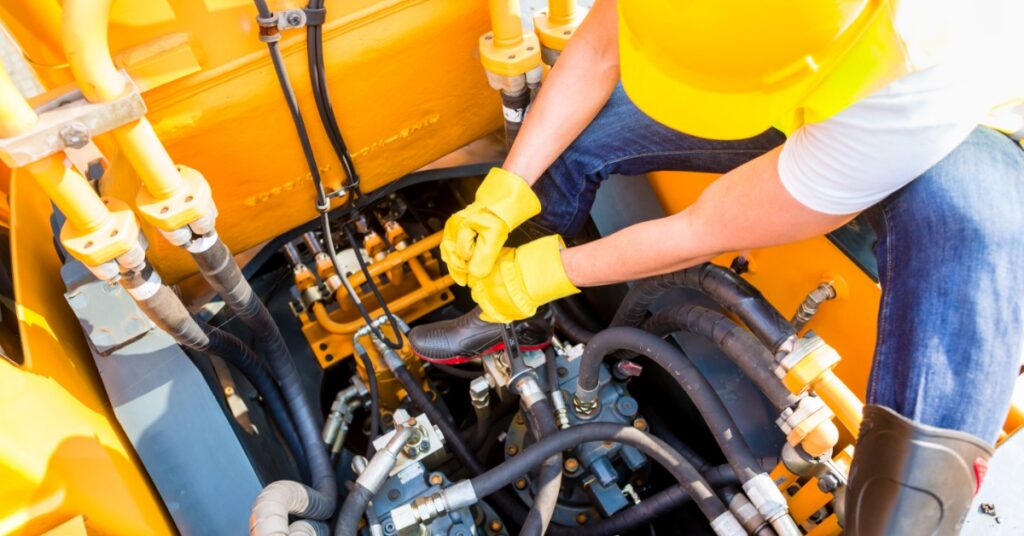
Powertrain parts carry torque through components working under heavy pressure. Material strength shapes how each gear tooth responds during repeated loading.
Maintenance teams face a complex choice after identifying a worn axle or transmission component. An OEM replacement follows the original manufacturer’s engineering specifications. An aftermarket replacement comes from a separate manufacturer with its own material controls. Choosing between OEM and aftermarket powertrain parts requires close review of construction and application.
Compare Material Quality
Evaluating material quality starts with understanding what lies beneath the surface rather than relying on appearance alone. The chemical composition of a component plays a critical role in determining how it will perform under stress.
For instance, alloy content directly influences hardness potential and fatigue resistance, while elements like carbon affect how the material responds to heat treatment. Chromium, on the other hand, contributes to strength in specific gear steels, making it essential for components subjected to heavy loads.
OEM Material Specifications
Engineers choose specific material grades based on the equipment’s gear geometry and anticipated torque loads. This careful selection ensures a balance between surface hardness and core toughness, allowing the component to withstand repeated stress. As a result, OEM specifications provide a consistent baseline that supports predictable wear and reliable performance throughout the intended service life.
Aftermarket Material Variation
In contrast, aftermarket parts can vary significantly in material quality due to differences in engineering standards and manufacturing practices. While some manufacturers produce high-quality replacements, others may prioritize visual similarity over performance characteristics. This means that parts sharing the same cross-reference number can still differ in fatigue resistance and durability. To ensure reliability, it is important to work with suppliers who clearly identify the material grade and provide detailed specifications.
Check Manufacturing Precision
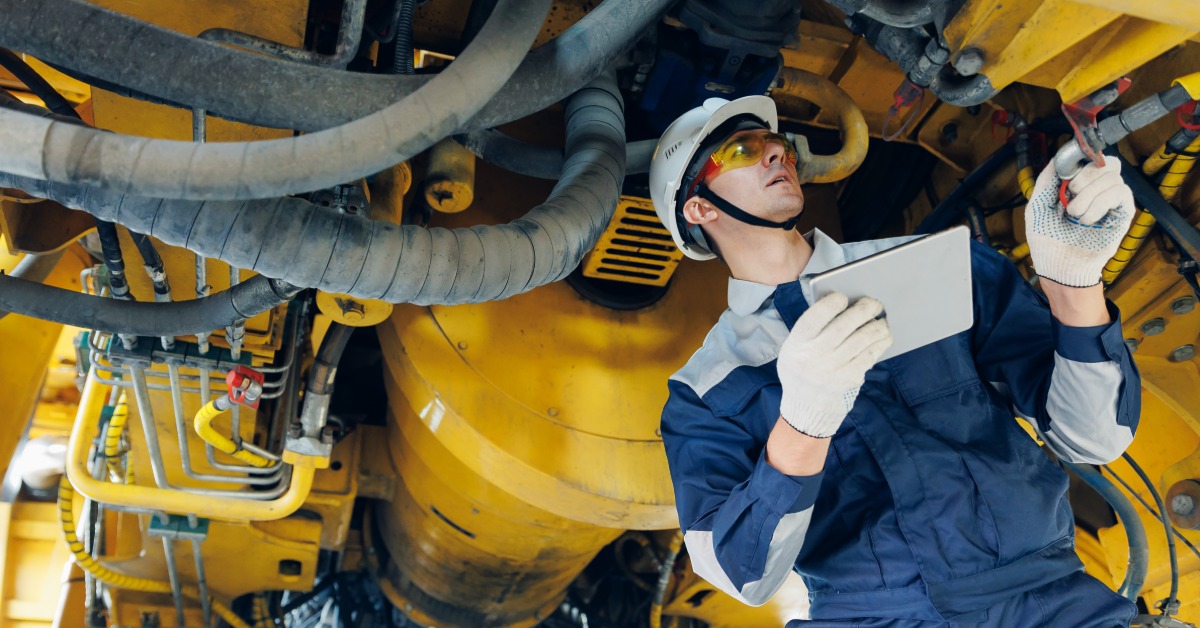
Even with the preferred material, its performance depends heavily on its machining. Precision ensures that each component fits and functions as intended within the assembly. Small dimensional errors hinder load distribution because they disrupt bearing alignment and alter gear contact patterns. Therefore, it’s necessary to select accurately machined powertrain parts.
OEM Manufacturing Tolerances
OEM components match the off-highway equipment’s original design specifications. This includes carefully defined tolerances for features such as bearing seats and spline profiles. These tolerances support proper load transfer and consistent performance. The correct fit allows the bearings to operate without a high risk of loosening or distorting.
Aftermarket Machining Accuracy
Aftermarket manufacturers aim to replicate OEM part dimensions, but the level of precision can vary. While some suppliers maintain strict quality controls, others may not achieve the same consistency.
Additionally, variations within equipment models can further complicate selection. Production updates may introduce subtle dimensional changes, making it essential to verify serial numbers and application details. This careful approach helps ensure that the replacement part aligns correctly with the existing assembly.
Confirm Powertrain Compatibility
Ensuring proper powertrain compatibility involves more than confirming that a replacement part physically fits within the assembly. While matching bolt patterns and dimensions is the first step to a suitable fit, true compatibility depends on whether the component will function correctly within the system’s torque requirements and gear configuration. Factors such as gear ratios and spline profiles must align precisely to maintain performance.
OEM Design Alignment
The engineering of OEM parts occurs based on how they will fit into the complete system. Therefore, the components’ designs will match the equipment’s original geometry and performance specifications. This includes mounting dimensions, gear tooth forms, and load ratings.
Because equipment families often include multiple configurations, verifying the exact part number is essential. A single model name may encompass variations in gear ratios, braking systems, or load capacities, so relying solely on general descriptions will lead to mismatches.
Aftermarket Compatibility Claims
Aftermarket suppliers typically rely on interchange lists to link their parts to OEM equivalents. While these cross-references provide a useful starting point, they do not guarantee full compatibility. It’s important to evaluate whether the replacement part meets the specific demands of the machine’s application.
To ensure proper performance, the aftermarket component must match the original part’s torque capacity, operating direction, and functional characteristics. Without complete and accurate specifications, it becomes difficult to determine whether the alternative will perform reliably within the system.
Match Parts to the Equipment’s Role
The equipment’s purpose defines the load pattern a replacement must endure. That’s why the replacement parts need to reflect the work performed during each shift.
Continuous Load Applications
When equipment operates under sustained payload, it experiences continuous torque and elevated temperatures over extended periods. Gear teeth endure repeated contact stress with minimal recovery time between cycles, making both surface durability and internal strength critical. Material hardness helps protect the contact surfaces from wear, while core toughness prevents the initiation and spread of cracks under constant load.
To support ongoing stress, surface finishes must allow for a stable oil film that reduces friction and wear across loaded areas. At the same time, seal materials must maintain their integrity despite prolonged exposure to heat, ensuring that lubrication remains effective throughout operation.
Shock Load Applications
Shock loading introduces sudden and intense forces into the powertrain. This typically occurs when wheel slip is abruptly followed by regained traction, sending a sharp surge of torque through gears and shafts.
While surface hardness contributes to wear resistance, it alone cannot prevent fracture during sudden loading events. The material must also possess sufficient toughness beneath the hardened layer to absorb and dissipate energy without cracking. This balance between hardness and toughness is essential for components exposed to unpredictable load spikes.
Repeated Directional Changes
Equipment, such as loaders and scoops, frequently reverse direction during operation. The movement places additional strain on the gears, splines, clutch, and brake systems.
Therefore, evaluating a component based solely on torque rating is insufficient. Maintenance teams must also consider how often the equipment changes direction and how those cycles affect overall stress. Matching the replacement part to the machine’s actual duty cycle ensures that it will withstand the mechanical and thermal demands of repeated directional use.
Consider the Operating Conditions
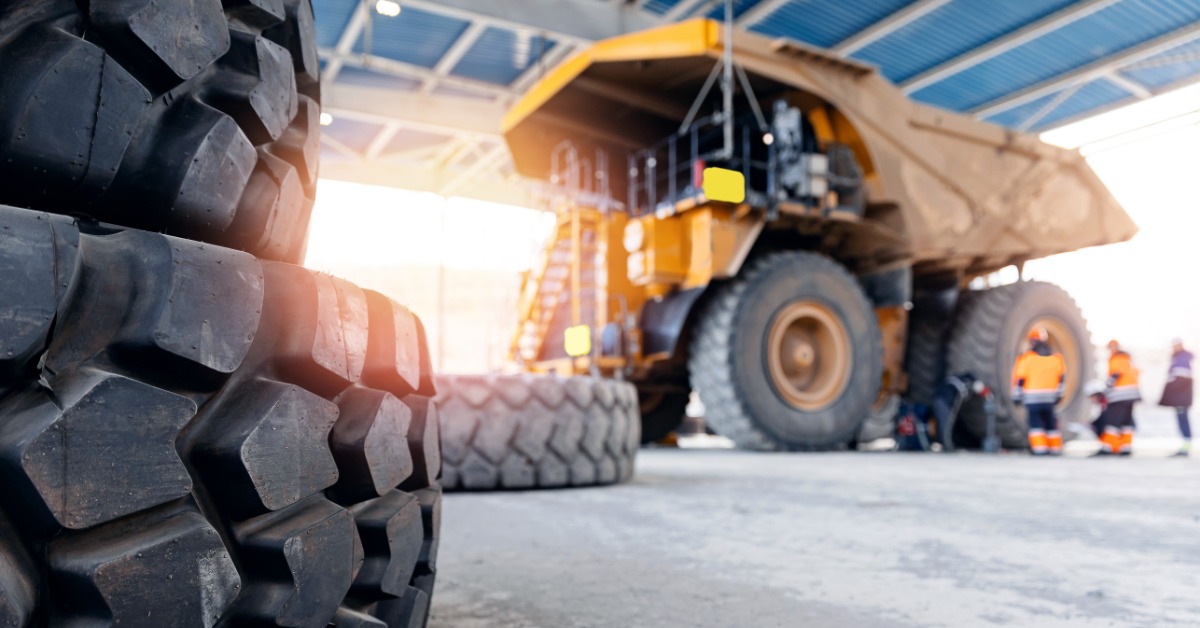
Operating conditions influence materials beyond the main steel components. Heat changes lubricant viscosity and seal behavior. Abrasive contamination attacks working surfaces after entering the housing. Moisture promotes corrosion during extended exposure.
Heat Exposure
Powertrain components naturally generate heat as a result of friction and fluid movement during operation. As temperatures rise beyond the lubricant’s intended range, the oil film begins to weaken, reducing its ability to protect critical surfaces. Over time, repeated thermal exposure also affects seal materials, causing them to harden or lose elasticity.
Replacement parts must feature materials suited to withstand the expected operating temperatures. In particular, match the friction materials carefully to both the lubricant and the energy generated during engagement to guarantee consistent performance.
Contamination Exposure
In addition to heat, contamination is a significant threat to powertrain reliability. Fine mineral particles enter a transmission or axle and circulate with the lubricant. As these abrasive particles move through the system, they score bearing surfaces, wear down seal lands, and create indentations on loaded contact areas.
Preventing this type of damage depends heavily on proper sealing. Replacement seals must align precisely with shaft finishes and housing dimensions to maintain effective protection.
Select Dependable Powertrain Parts
OEM and aftermarket powertrain parts require an equally disciplined review. For a reliable fit and a high-quality repair, choose Bull Powertrain. Not only do we have a vast OEM parts inventory, but we also offer complete assemblies. Contact Bull Powertrain today to learn more about our off-highway powertrain services.