
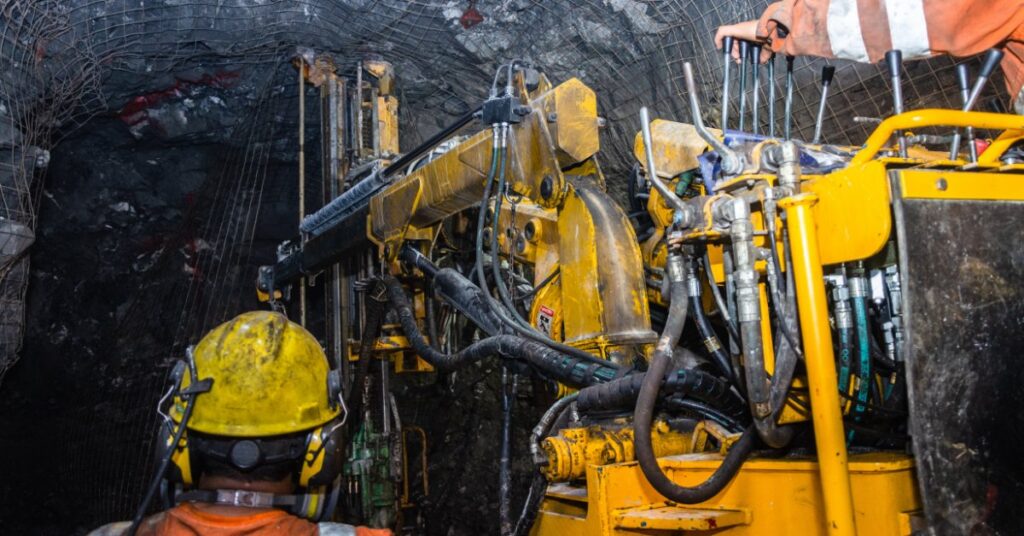
Underground brake systems operate close to water spray and pooled water. Similarly, abrasive mine dust surrounds the same machines as loaders and trucks move through headings. Together, these contaminants put the brakes at risk.
Once either contaminant enters an internal circuit, brake response changes as wear spreads through connected parts. Knowing exactly how water and dust impact underground mining brake systems will give you the knowledge needed to maintain the equipment.
The Risks of Water Infiltration
Breaches Seals and Enclosures
Sealed wet brakes protect friction discs by surrounding them with oil inside a closed assembly. The enclosure separates braking surfaces from puddles and mine spray under normal operating conditions. However, worn shaft seals or damaged housing seals create paths where moisture enters areas intended to remain filled with oil.
Pressure changes inside connected axle or brake cavities draw moisture through vulnerable sealing points. Washdown practices increase exposure around damaged seals because pressurized water reaches small gaps aggressively. Once water crosses the enclosure boundary, the brake loses part of the environmental protection built into its wet design.
Changes Lubricant Behavior
Oil inside a wet brake supports friction control and carries heat away from working surfaces. Water interferes with those functions after it mixes with the lubricant. Water lowers lubricity and promotes fluid degradation, so contaminated oil no longer protects moving surfaces.
Emulsified moisture produces a cloudy oil appearance, though appearance alone doesn’t reveal contamination severity. Water accelerates oxidation and contributes to sludge formation inside fluid systems. As oil condition declines, friction plates and related hardware operate in a fluid environment outside the brake’s intended service condition.
Promotes Internal Corrosion
Water becomes especially destructive after it reaches steel surfaces inside a brake housing. Moisture supports rust formation on discs and other metallic parts. Corrosion changes surface condition and leaves rough areas or loose oxide particles inside the assembly.
Once the machine returns to work, the issues spread. Rotating components carry loosened material through the oil and introduce another source of abrasive debris. Piston movement becomes inconsistent as corrosion reaches close-tolerance surfaces. Therefore, water ingress begins as a moisture problem and develops into mechanical wear.
Accelerates Friction-Pack Wear
Wet multidisc brakes depend on controlled contact between rotating friction discs and stationary reaction plates. Oil moderates engagement and manages heat inside the pack. Water contamination changes the environment around those surfaces, so the friction pack experiences lubrication loss or corrosive surface damage.
A damaged friction interface develops uneven contact across the disc faces. Localized wear then changes how torque moves through the brake pack as the discs apply. Repeated engagement compounds the damage because worn material enters the oil and circulates through the assembly. Internal moisture therefore turns a fluid-quality problem into progressive friction-pack wear.

The Risks of Dust Contaminants
Abrades Exposed Brake Surfaces
Dust follows a direct route on brakes with exposed rotors or calipers. Underground traffic keeps fine mineral particles suspended near wheel ends and driveline components. Once particles settle on sliding surfaces or open friction interfaces, each brake application presses abrasive material between moving parts.
The resulting wear scores rotor faces or accelerates pad wear. Dust accumulation around caliper guides interferes with free movement if abrasive material packs into those areas. Keeping the mounting surfaces clean and removing debris will prevent binding, ensuring brakes slide freely.
Damages Seals at Entry Points
Enclosed brakes resist mine dust until particles compromise the surfaces protecting the interior. Fine dust collects around shaft seals and housing joints where movement repeatedly carries particles across sealing edges. Abrasive material wears a seal lip or damages the mating surface.
Once a sealing interface deteriorates, the problem changes from external contamination to internal ingress. Then, dust enters lubricant cavities or hydraulic areas. It wears down parts from inside the assembly continuously.
Pollutes Hydraulic Control Circuits
Many mining brakes rely on hydraulic pressure to apply or release an actuator. Spring-applied hydraulic-release designs use fluid pressure to oppose spring force during release. Their function depends on controlled fluid movement through ports and close-tolerance components.
Dust entering a hydraulic circuit scores precision surfaces or interferes with valve movement. Fine particles travel with the fluid until they reach a restricted passage or moving spool. Ingressed dust is an abrasive contaminant that infiltrates the system through worn seals and service openings. Once contaminants disrupt fluid control, inconsistent brake release occurs.
Restricts Sliding Brake Components
Dust doesn’t have to enter a hydraulic line to alter brake operation. On sliding caliper designs, debris around mounting sleeves prevents the housing from moving freely as the brake applies or releases. Restricted movement changes how the pads meet the rotor, as one side carries excess contact.
Continued binding increases friction after the operator releases the brake. The drag adds heat and accelerates wear across the affected surfaces.
Mixed Contamination Forms Sludge
Together, water and dust become especially destructive. Water promotes oxidation and sludge formation, whereas mineral particles introduce an abrasive solid load. The contaminated mixture circulates through close-clearance areas and leaves deposits where fluid movement slows.
Sludge restricts small passages or collects around moving components. The abrasive particles continue cutting surfaces as degraded oil loses part of its lubricating ability. At this stage, technicians aren’t dealing with two separate contaminants anymore. They face a damaged fluid environment capable of spreading wear across several brake components.

Prevent Damage With Routine Brake Servicing
When water and dust enter a brake, they turn a simple seal failure into corrosion and hydraulic contamination. From assessing the fluid’s condition to internal surface damage, technicians need to be able to diagnose hidden wear promptly. This will limit the likelihood of repeat failures and damage to the surrounding components.
Bull Powertrain supports this process by servicing and rebuilding contaminated mining brake assemblies to restore reliable performance. We’re an Ausco brake distributor that offers component replacement as well as a complete brake rebuild. Our service capabilities align with sealed wet brakes and other off-highway brake applications.
Keeping contamination outside the assembly protects the controlled environment wet brake systems depend upon. Once moisture or abrasive dust gets inside, water and dust impact mining brake systems through corrosion and progressive wear. Contact Bull Powertrain today for a prompt inspection and repair for your mining equipment.