
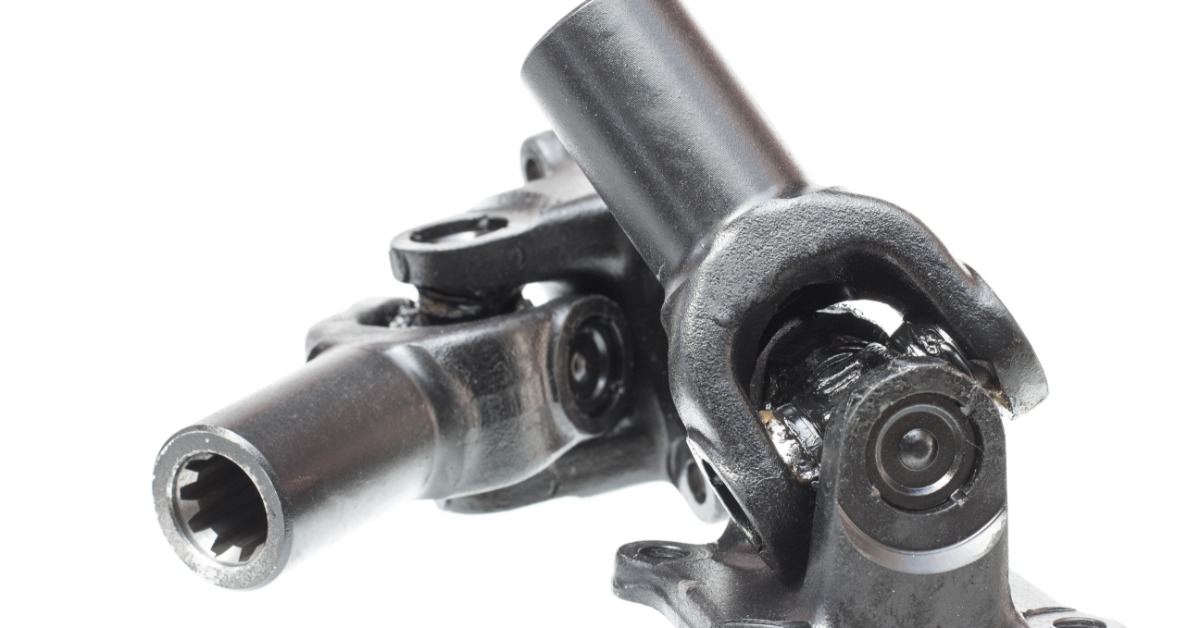
A driveshaft is the rotating link carrying torque from the transmission or transfer case toward the axle assemblies. Its main structure includes a tubular shaft and yokes at each end. Universal joints accommodate working angles between connected components, and a slip spline adjusts effective length as the chassis articulates.
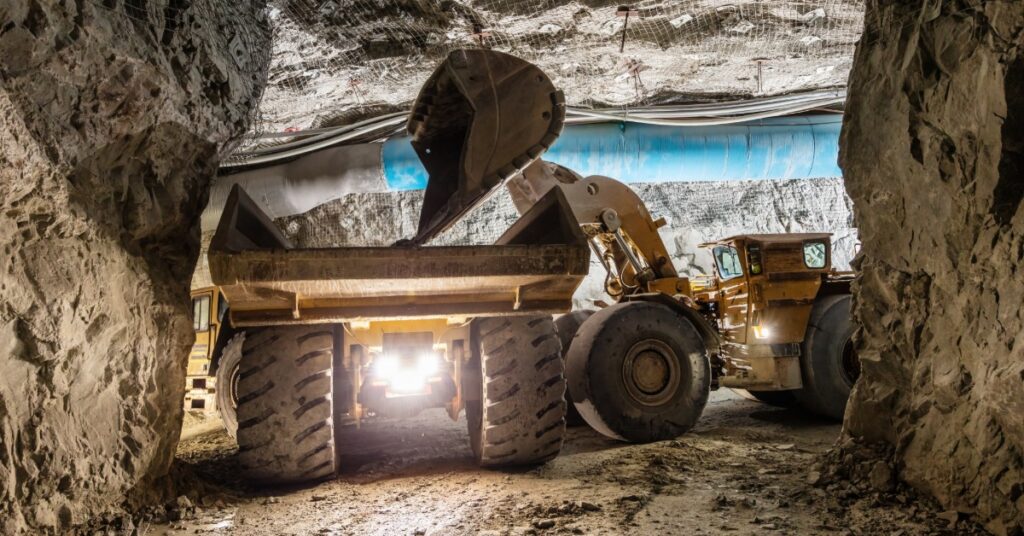
Inside underground loaders and haulage machines, torque transfer efficiency in driveshafts determines how consistently input torque reaches the axle under heavy load. Poor transfer efficiency places extra energy into heat and vibration, exposing the nearby driveline parts to added stress.
Efficient Transfer Preserves Axle Output
Mining machines rely on the driveshaft to carry rotational force between major driveline assemblies. Every joint and sliding interface introduces mechanical resistance as the shaft turns under load. Efficient transfer keeps those losses small, so the axle receives consistent torque from the transmission.
Mechanical losses produce consequences elsewhere in the assembly. Friction converts input energy into heat, and unwanted movement excites vibration through the driveline. Energy diverted into internal friction no longer contributes to useful axle work. Therefore, efficient transfer supports the intended relationship between transmission output and axle input through repeated load cycles.
Low Joint Friction Controls Heat Generation
Universal joints rotate on bearing assemblies at each end of the cross. Lubrication forms a protective film at those moving surfaces and decreases friction between loaded parts. Grease loss or contamination disrupts this film, causing the bearings to generate additional heat as the shaft turns.
As a result, lubricants degrade and components wear down rapidly inside the bearing cups. Worn rollers develop extra clearance and permit impact loading after torque direction changes. Needle bearings depend on clean lubrication to keep rolling resistance controlled under load. With efficient joint movement, the torque path remains stable.
Proper Joint Angles Limit Speed Fluctuation
A single universal joint operating at an angle transmits rotational speed unevenly through each revolution. The output side speeds up and slows down even though the input shaft turns steadily. Driveshaft systems manage this characteristic through joint geometry and compatible operating angles. Greater joint angles increase the magnitude of this cyclic speed variation.
Underground machines experience chassis movement as tires cross uneven mine floors or articulated frames steer through headings. Excessive angle or poor alignment increases joint motion and raises frictional demand. Keeping the shaft within its intended geometry supports efficient torque transfer across changing machine positions.
Proper Phasing Controls Torsional Pulses
Driveshaft phasing describes the rotational relationship between yokes along the shaft. Proper phasing lets paired universal joints work together, so their angular velocity effects offset each other under the intended geometry. Incorrect assembly disrupts this relationship, and rotational speed variation travels farther through the driveline. A phasing error doesn’t remain isolated at one joint because connected components receive the resulting disturbance.
Torsional pulses repeatedly accelerate and decelerate connected driveline mass. This motion places changing loads on splines and bearings instead of maintaining a smooth torque path. To keep rotational motion organized throughout directional changes and loaded travel, proper phasing is essential.
Healthy Splines Preserve Rotational Response
Slip splines let the driveshaft change effective length as chassis movement changes the distance between connected assemblies. The mating teeth must slide axially without losing rotational engagement. Lubrication and sound surface condition keep this movement controlled under heavy torque. Abrasive fines or corrosion damage tooth surfaces and increase sliding resistance.
Spline wear creates backlash between the mating teeth. Torque then takes up this clearance before the shaft transfers full rotational force after a load reversal. Repeated take-up produces impact at the tooth faces and creates a harsh driveline response. Frequent direction changes make controlled spline engagement valuable in underground machines.
Balanced Rotation Limits Bearing Loads
A driveshaft carries considerable rotational energy at operating speed. Mass distributed unevenly around the shaft centerline generates centrifugal force as rotation increases. This force produces vibration instead of contributing to useful torque at the axle. Missing balance weights and bent tubing disturb a previously smooth assembly.
Repeated radial force accelerates wear at transmission output bearings or axle input bearings. Those side loads increase mechanical resistance while shortening component life around the shaft. Therefore, a straight, balanced shaft is necessary to uphold concentrated rotational energy for torque delivery.
Efficient Delivery Supports Loaded Grades
Underground mining equipment frequently carries payloads across ramps and changing grades. Climbing under load raises driveline torque demand because the machine must overcome grade resistance alongside rolling resistance.
A worn joint or binding spline adds resistance when the driveline already carries a high load. Extra resistance raises heat and increases stress through the rotating assembly. Repeated grade cycles expose marginal joints because each climb places substantial torque through the same interfaces. The ability to transfer power consistently reinforces predictable machine response during demanding haul segments.

Stable Transfer Protects Connected Components
The driveshaft sits between components carrying substantial internal loads. Vibration or impact from a worn shaft travels into transmission output bearings and axle input components. Those forces differ from the controlled rotational load expected at the connected assemblies. Bearing and seal wear expands once unintended forces continue through production cycles.
A loose universal joint creates repeated shock as torque changes direction. Excessive spline clearance produces a similar impact before full engagement occurs. Those shocks accelerate wear beyond the driveshaft and turn one service issue into an extensive driveline repair. Stable transfer limits secondary stress before it reaches adjacent powertrain assemblies.
Low Parasitic Loss Protects Energy Use
Mechanical losses inside a driveshaft force the power source to supply energy unable to reach the axle as useful output. Bearing friction and binding splines are common examples of parasitic resistance within the shaft assembly. Efficient rotation directs a greater share of available mechanical energy toward useful propulsion. This relationship becomes significant across repeated acceleration and loaded travel cycles underground.
Energy loss usually appears as heat or vibration inside the driveline. Both conditions signal energy leaving the intended rotational path before it reaches the axle. Maintenance teams should investigate rising joint temperature or new vibration before associated wear progresses. By conducting early inspections, maintenance teams are able to service a single concern before issues spread to the connected assemblies.
Protect Torque Flow With Driveline Service
Efficient driveshaft operation depends on joint condition and lubrication alongside proper geometry. Experienced driveline service protects efficient torque transfer through driveshafts and restores worn assemblies to machine specifications.
Bull Powertrain specializes in providing replacement off-highway driveline parts as well as complete assemblies at our driveline repair shop. Our team will address shafts carrying heavy loads through demanding applications and find the best solution for the equipment. Contact Bull Powertrain to discuss driveshaft service before vibration or joint wear spreads into connected powertrain components.