
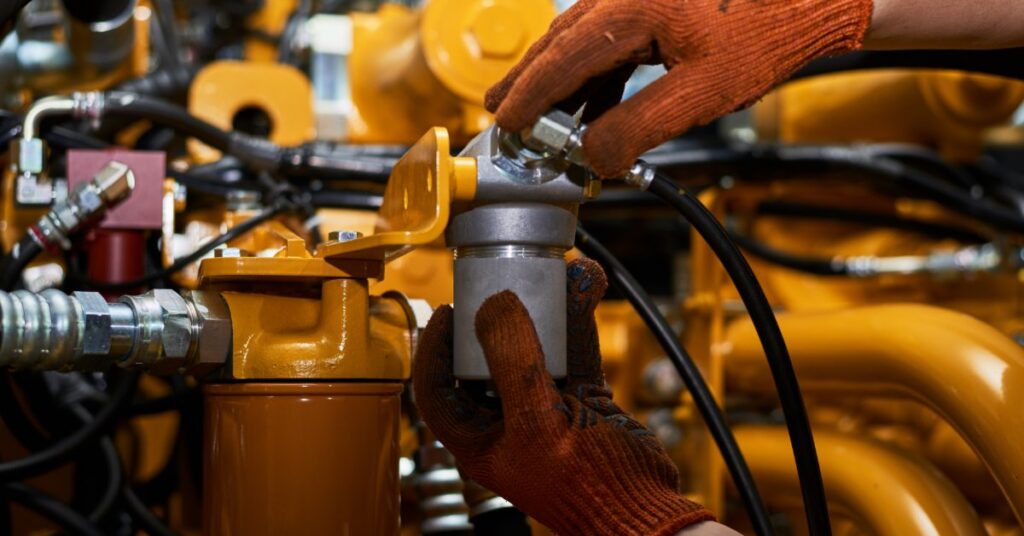
Loaded mining machines change speed and direction throughout tight headings and repeated haul cycles. Mechanical gears and shafts carry much of the resulting load, but fluid power controls several critical functions inside many off-highway drivetrains.
The function of hydraulic systems in off-highway powertrains starts with fluid moving from a pump into circuits controlling pressure and component response. Once those circuits work together, the transmission engages the proper elements and transfers engine power with predictable behavior. Read on to discover more about the role of these systems in off-highway operations.
Hydraulic Systems Support Power Transfer
Hydraulic systems connect mechanical input with controlled movement inside off-highway transmissions. The engine drives a pump to move transmission fluid through passages and valves. Those circuits direct pressure toward components responding to a shift command or another operating demand.
Powershift transmissions provide a useful example. Hydraulic pressure applies multidisc clutch packs to connect the gear elements required for a selected speed or direction. The system doesn’t replace the mechanical gears inside the transmission. Instead, it controls when those elements engage and ensures that the torque follows through the unit.
Hydraulics serve a different purpose in a hydrostatic drive. A hydraulic pump converts mechanical input into fluid power before the motor converts the energy back into rotary motion. Both arrangements depend on fluid movement, though each uses hydraulic energy differently.
Fluid Flow Produces Hydraulic Energy
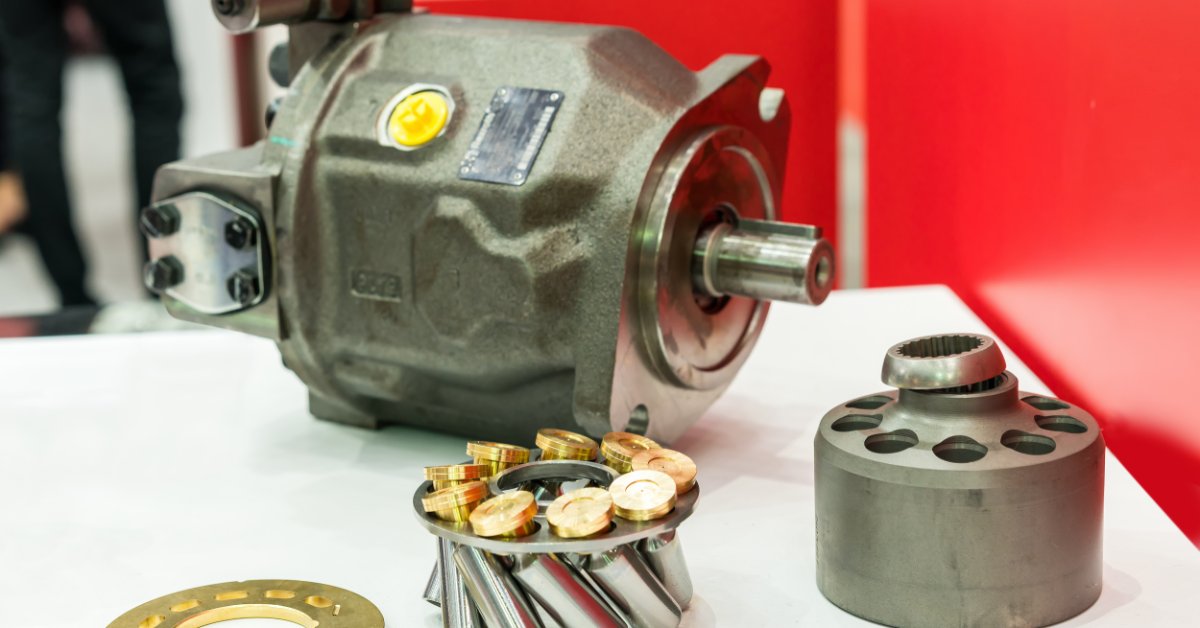
Fluid movement begins at the pump. Rotation from the engine or transmission drives the pump so it draws fluid from a sump and sends fluid into the circuit. Flow supplies downstream components performing hydraulic work.
Pressure develops once the moving fluid meets resistance within the circuit. Then, the regulator manages system pressure according to the transmission design. The pump’s primary job involves moving fluid through the circuit. Pressure rises as resistance opposes that flow.
From there, internal passages carry fluid toward control valves and lubrication circuits. Some designs route fluid toward a torque converter or cooling circuit. As the machine’s speed fluctuates, the reliable flow of fluid supplies each branch.
Pressure Controls Transmission Operation
A powershift transmission depends on controlled pressure to select mechanical elements carrying torque. Control valves route oil toward a clutch piston after the operator or electronic controller requests a gear. Pressure against the piston compresses the clutch plates until the selected pack engages.
Clutch engagement has to occur with enough force to prevent slip under load. However, engagement must develop at a controlled rate because abrupt pressure application increases shock through the drivetrain. Modulation manages this pressure rise, so the shift occurs through a planned transition.
Hydraulic control therefore connects a shift command to a mechanical change inside the transmission. The valve directs the fluid and the clutch pack responds to pressure. Once engagement occurs, gears and shafts carry torque toward the driveline.
Fluid Transfers Power Between Components
Fluid power takes another form inside a torque converter. A torque converter transfers engine power through moving fluid before rotation enters the transmission. Its impeller turns with the engine and accelerates oil toward the turbine.
The turbine receives energy from the moving oil and sends rotational force into the transmission input. A stator redirects returning fluid between those elements so the converter manages fluid momentum under changing operating conditions. This hydrodynamic process differs from the pressure circuit applying transmission clutches.
The distinction clarifies fluid power inside an off-highway drivetrain. One circuit uses oil pressure to control engagement. The torque converter uses fluid motion to transfer energy between rotating members.
Hydrostatic Drives Use Hydraulic Propulsion
Some off-highway machines rely on hydrostatic transmission principles instead of a conventional powershift arrangement. In a basic hydrostatic drive, a pump sends pressurized fluid through a closed circuit to a hydraulic motor. The motor converts hydraulic energy into shaft rotation for machine travel.
Variable-displacement pumps or motors change how much fluid each revolution moves. Adjusting displacement changes the relationship between motor speed and available torque across the operating range. This arrangement supports controlled low-speed movement because the system changes hydraulic output without relying on a fixed set of mechanical gear ratios.
Hydrostatic propulsion isn’t present in every mining powertrain. The concept shows how hydraulic energy influences off-highway movement. In one machine, hydraulics control transmission elements. In another, hydraulics become part of the propulsion route itself.
Fluid Condition Affects System Response
Hydraulic performance depends on fluid retaining the properties the equipment manufacturer specifies. Transmission oil carries force through control circuits and lubricates internal surfaces. The oil absorbs heat before the cooling circuit removes thermal energy.
Contamination Disrupts Precision Control
Contaminants interfere with valve movement. Filters capture debris as fluid circulates through the system, but they will fill up over time. Overwhelmed filters allow contaminants to enter through damaged sealing points, allowing the abrasive material to travel the system.
Heat Changes Fluid Performance
Temperature is another concern for powertrains. Excess heat changes fluid behavior and places added stress on seals or friction materials. A cooler removes heat from circulating oil, so the transmission maintains suitable fluid properties through repeated operating cycles.
Heavy Loads Test Hydraulic Performance
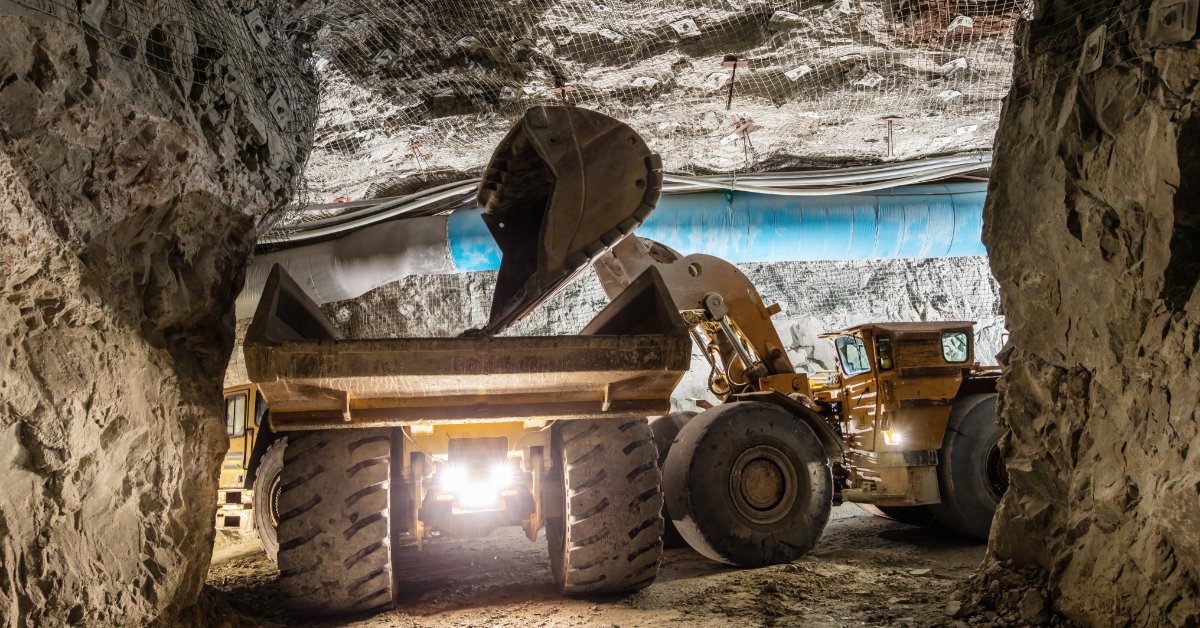
Underground mining machines repeatedly accelerate with substantial payloads and shift under changing resistance. Steep grades place additional demand on the powertrain because the transmission must manage torque as machine speed changes. These conditions drive repeated pressure changes through hydraulic circuits.
Low-speed maneuvering places the system under sustained load. Loaders and haul trucks travel through restrictive headings where the operator makes frequent speed or direction changes. Each commanded change depends on the transmission control system responding with the intended pressure and timing.
Heat becomes part of this operating picture. Repeated clutch engagement converts some energy into heat as friction surfaces transition between released and applied states. The fluid system must carry heat away and maintain sufficient flow throughout the transmission.
Which Hydraulic Problems Affect Powertrain Performance?
Hydraulic problems become noticeable once flow or pressure no longer supports the intended transmission response. Low pressure weakens clutch engagement and encourages slip. Restricted flow delays fluid delivery to circuits requiring a steady supply.
Contaminated oil interferes with valve movement and accelerates wear inside close-tolerance components. Internal leakage creates another problem because worn seals or damaged surfaces let pressure escape inside the circuit. Excessive temperature compounds these issues by degrading fluid performance and stressing transmission materials.
Support Reliable Hydraulic Powertrain Operation
Strong hydraulic system performance in off-highway powertrains depends on the relationship between fluid condition and mechanical component health. Pressure behavior reveals clues to transmission problems before crews understand the full extent of wear. A careful inspection separates a hydraulic control issue from damage that requires component repair.
Bull Powertrain repairs off-highway powertrain components and supplies OEM replacement parts for mining equipment. Crews working with an off-highway powertrain specialist gain support for transmission or torque converter concerns from a team offering component service and replacement options. Contact Bull Powertrain when hydraulic-related powertrain problems require an in-depth evaluation.